- Sunglasses
- Lenses
- Brands
-
Home Trial
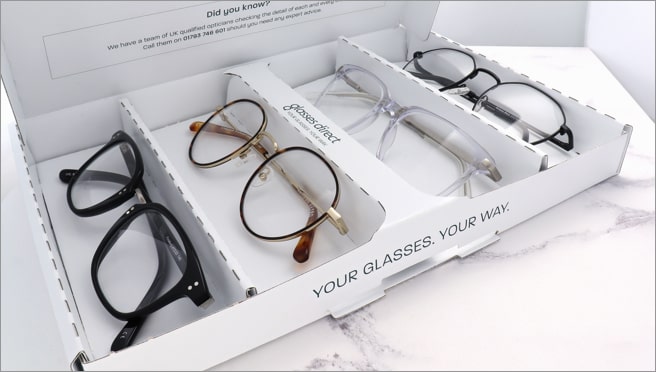

Or select a ready-made Free Home Trial Pack
- Offers
- Help & FAQ
Or select a ready-made Free Home Trial Pack

Having a real understanding of your eye health (and what’s best for it) should be as easy as 1, 2, 3. That’s why in this section we cover everything from what happens during your eye test, why you should be testing your eyes often, different eye conditions, prescriptions and so much more.
Eye tests are important for many reasons. But did you know there is more to them than simply keeping our prescriptions up-to-date? Discover more about eye tests with our articles and guides.
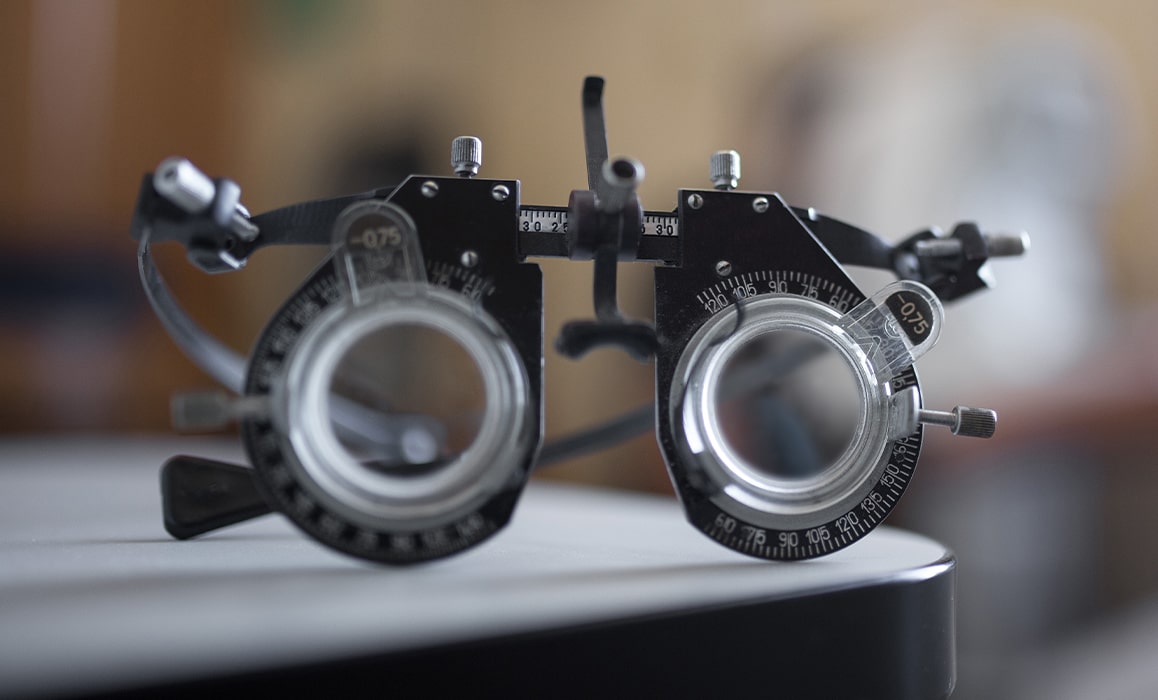
Whether you keep up to date with your biennial eye test or haven’t had your eyes checked since you were in school, having an understanding of what goes on during your test is important. Learn more
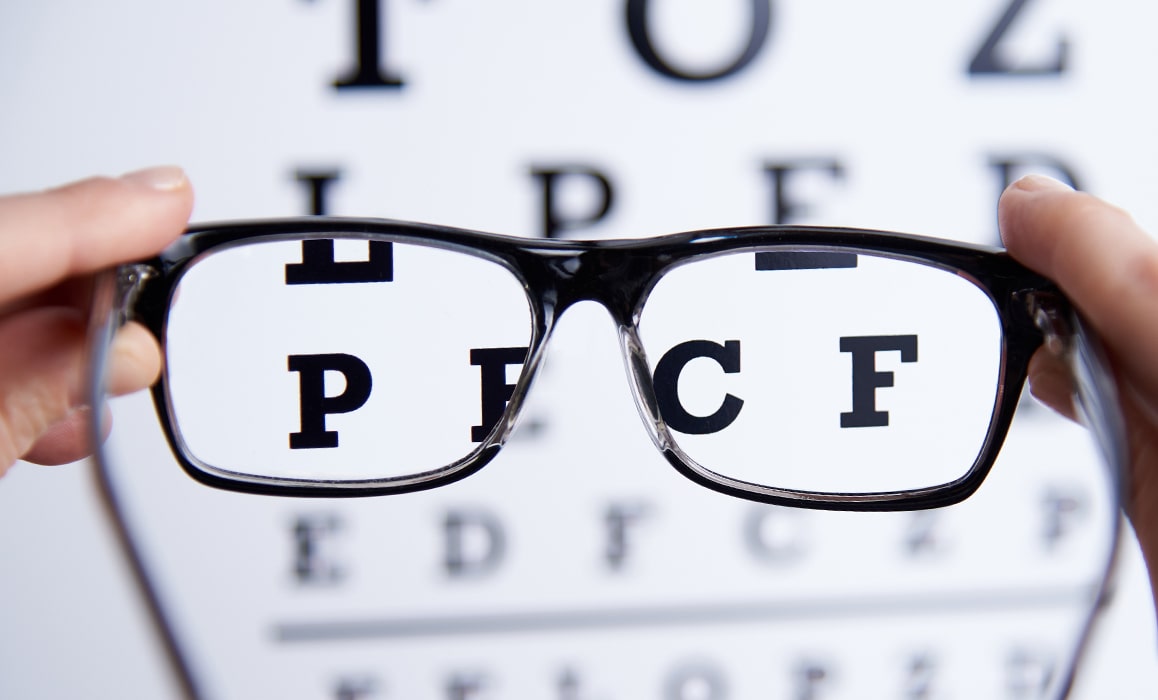
Even if your eyes and current glasses may feel fine, read on to find out why regular eye tests are necessary, and how often you should be tested. Learn more
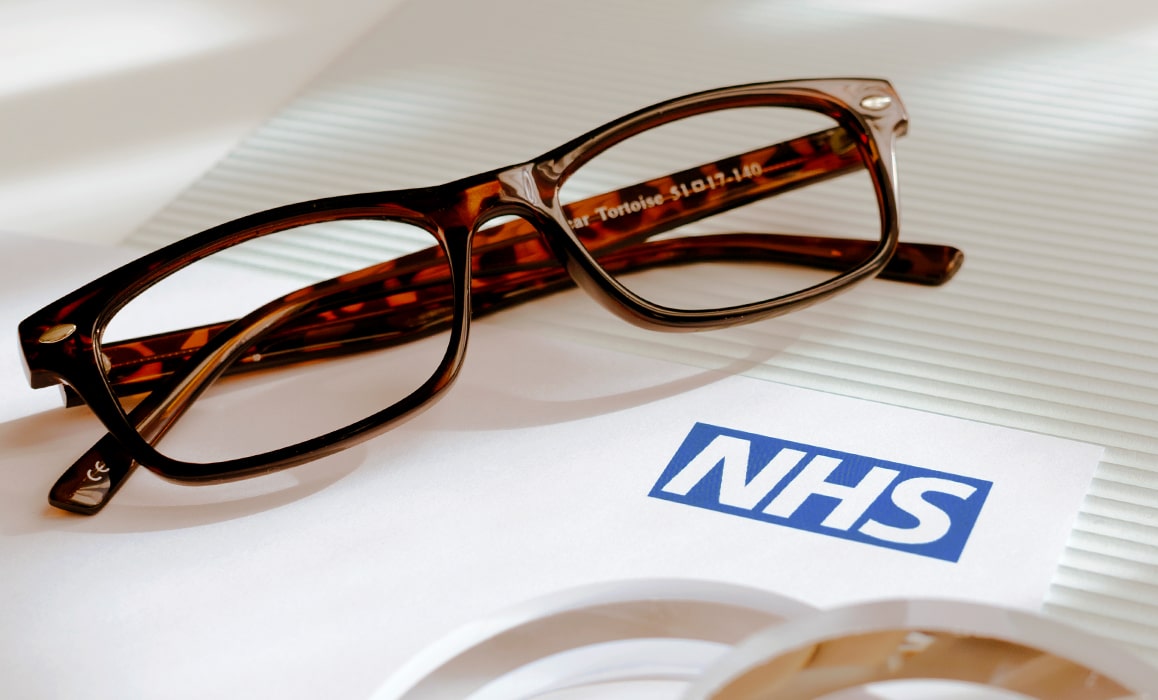
We want to keep you informed on how you can get the most affordable eye care possible. A free NHS eye test voucher gives a free test at least every two years to those who are eligible. Learn more
The different combinations of letters and numbers on your prescription may seem like a lot to understand. This is why we have created these articles and guides to help you get to know your prescription even better.
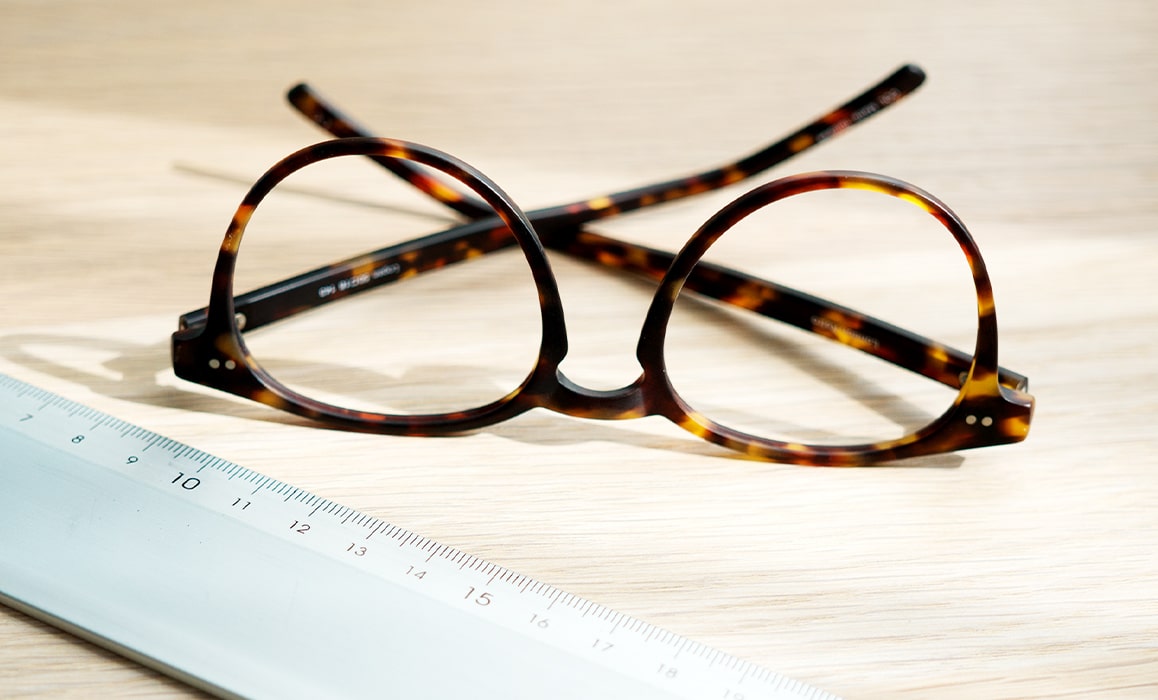
The measurement between the centre of your pupils is very important if you have a strong prescription or are ordering varifocal lenses. Learn more
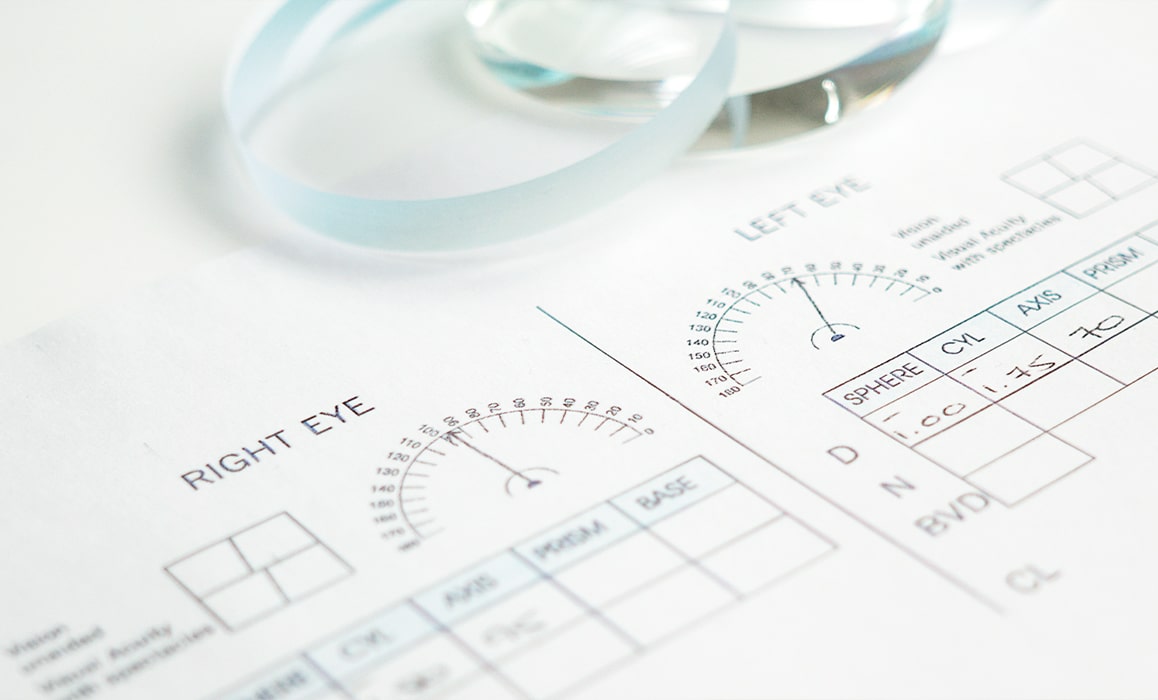
Everything you need to know about the sheet of paper you get after your eye test. Learn more
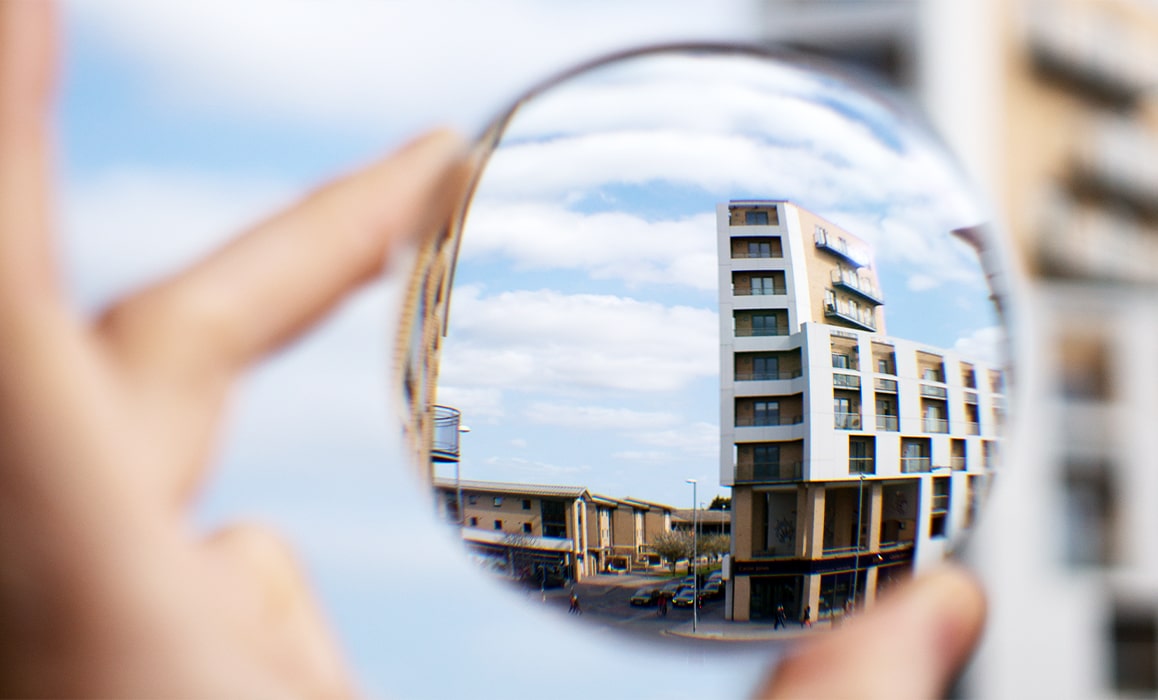
What are the best lenses for your prescription? This quick guide will help make sense of all the confusing options. Learn more
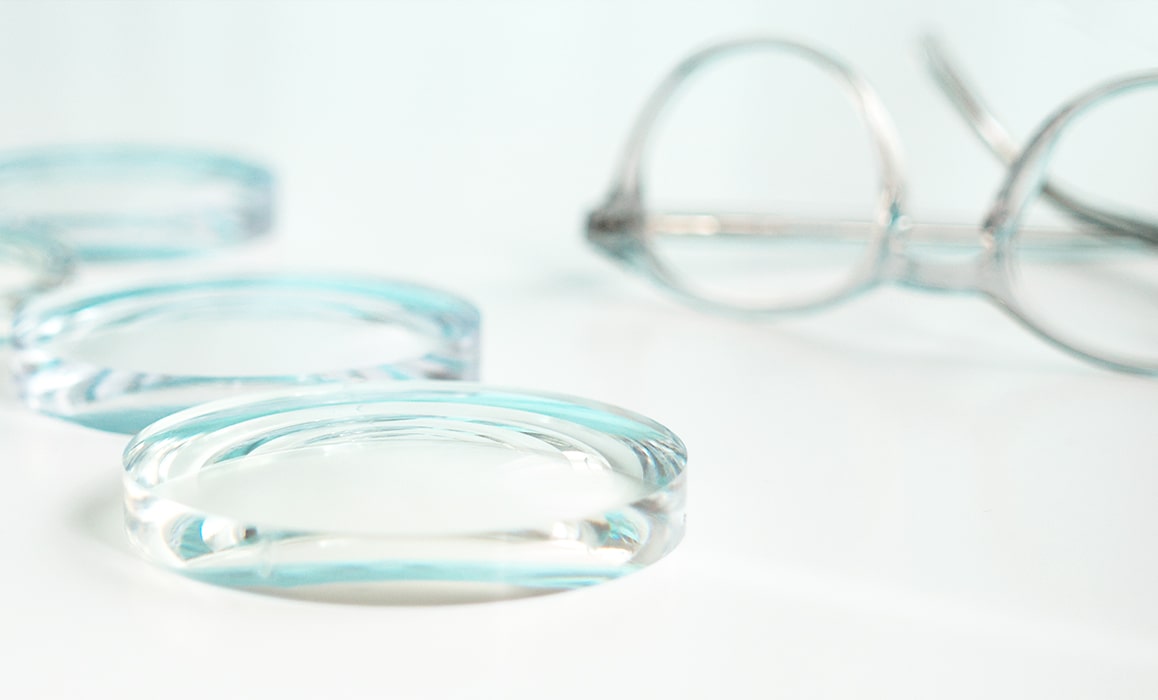
Lens materials are classified on their refractive index. The higher it is, the thinner the lens can be for a given power. Learn more
It is important to know what to look out for when it comes to eye health. To help give you a better understanding of the different vision conditions that can occur, check out these handy articles and guides.

Our eyes change as we get older, and in this article we'll highlight some of the more common conditions associated with the ageing eye.






 Black
Black Tortoise
 Gunmetal
 Brown
Brown Silver
 Purple