Skip to Main Content

seeing clearly

A clearer guide to understanding vision, opticians and glasses

Definitions

This section is to help you understand the medical or technical terms you will see on your prescription or may hear at the opticians. Remember, knowledge is power!

Astigmatism

This is when the front part of the eye (cornea) is the shape of a rugby ball instead of a regular circle. This makes it difficult to focus the light on the back of the eye, which causes your vision to be blurred.

Cataracts

A cataract is clouding of part of your eye called the lens. Your vision becomes blurred because the cataract is like frosted glass and it is difficult to see through.

Glaucoma

This is when the optic nerve (which carries information from the retina to the brain) is damaged. Glaucoma can sometimes be caused by an increase in eye pressure. Your eye needs a certain amount of pressure to keep the eyeball in shape and working properly. However, you can have problems if this pressure becomes too high.

Hypermetropia

This is known as long-sightedness and is when the eye is too weak or the material within the eye is less dense than normal. This makes it difficult to focus on objects that are close to you. In extreme cases, you may not be able to focus on objects at any distance.

Myopia

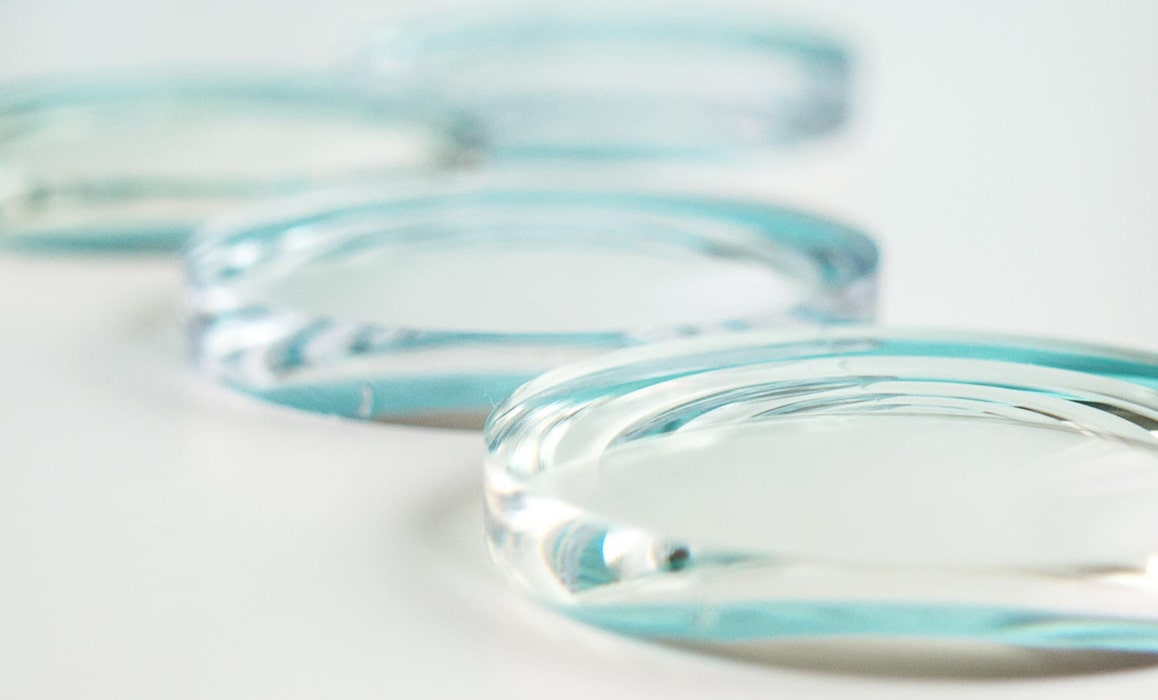
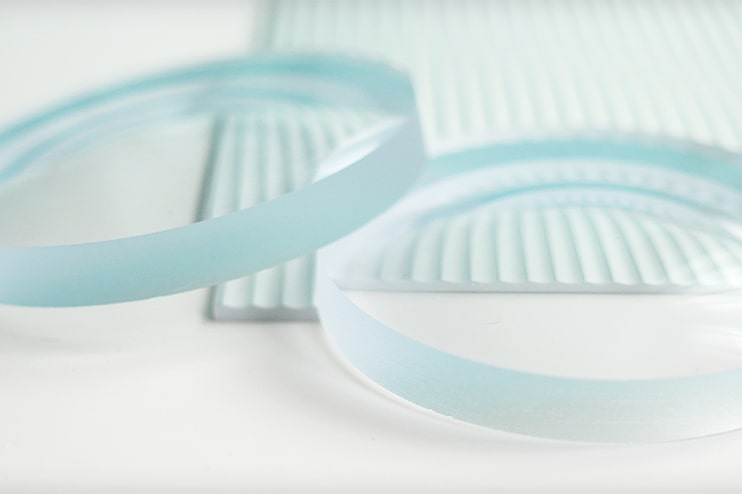
This is known as ‘short-sightedness’, and is when the eye is too strong or the material inside the eye is too dense. This makes it difficult to focus on objects in the distance. It is corrected with negative lenses that are thicker at the edge than in the middle, allowing the light to focus on the retina and produce a clear image.

Macular degeneration and age-related macular degeneration

Sometimes the delicate cells of the macula (an oval-shaped yellow spot near the centre of the retina) become damaged and stop working, and there are many different conditions which can cause this. If it happens later in life, it is called 'age-related macular degeneration' (AMD).

Nystagmus

This is when the eyes move uncontrollably. Your eyes will usually move from side to side, but they can sometimes swing up and down or even round in circles.

Phoria

This is a muscle imbalance that could cause double vision.

Presbyopia

This is known as ‘old sight‘, and is where the eye can no longer focus on close objects. It usually happens when someone is around 45 years old, as the lens in the eye has becomes stiff with age. You need reading glasses if you have presbyopia .

Pupillary distance (PD)

This is the distance between the centre of your eyes. It is used to help make sure that each lens in your glasses is in the best position for your eye. This is more important the stronger your prescription is.

Retinal detachments

This develops when your retina has been weakened by a hole or tear, which allows fluid to get underneath, weakening the attachment so that the retina becomes detached. The retina cannot make a clear picture from the rays of light coming into your eye, and your vision becomes blurred and dim.

Photokeratitis

This is when your cornea (the clear front surface of the eye) is burnt by ultraviolet rays of light from the sun. This tends to happen when you are very high up in areas of snow, where the light reflects very strongly. Here are some of the symptoms of photokeratitis.

  • Your eye will be red.
  • Your eyelids will be swollen.
  • You will feel as though you have grit in your eye.

Ultraviolet (UV) light

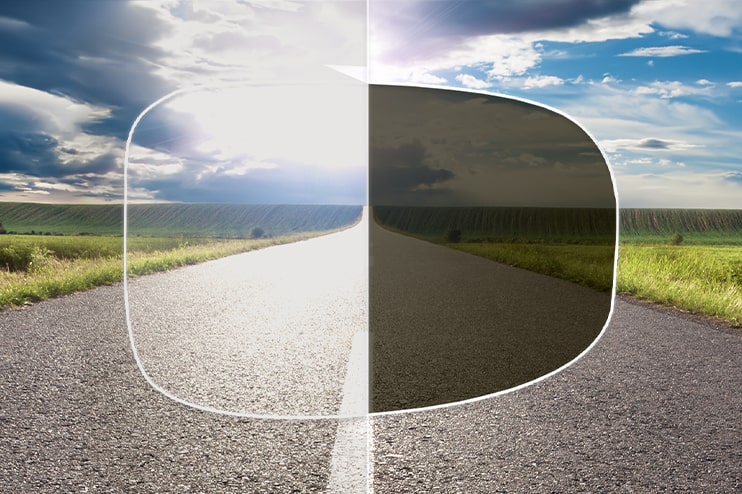
UV light is invisible light from the part of the electromagnetic spectrum that is immediately beyond the violet end of the visible light spectrum. UV light is usually found in sunlight, and can both benefit and damage your health. UV light can cause problems for your eyes.

Ultraviolet B (UVB)

UVB is one of the three types of invisible light rays (along with ultraviolet A and ultraviolet C) which are given off by the sun.

Single-vision lenses

These are lenses that have the same optical power (the degree to which the lens converges or diverges the light) throughout. They can be used to correct short-sightedness, long-sightedness, astigmatism, or a combination of these.

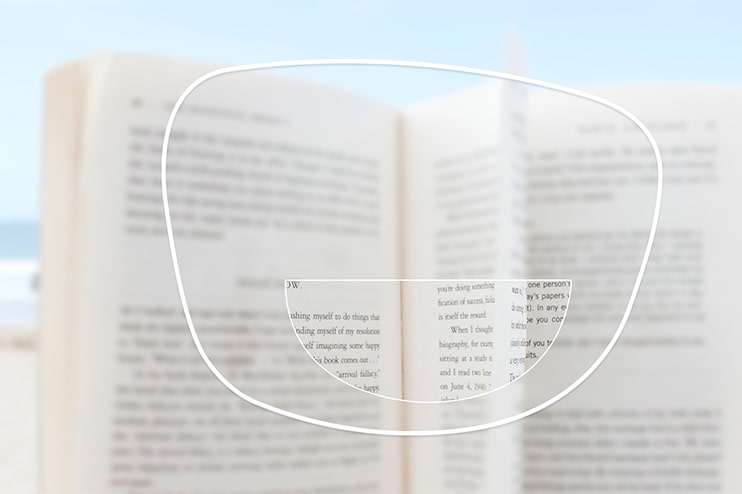
Bifocals

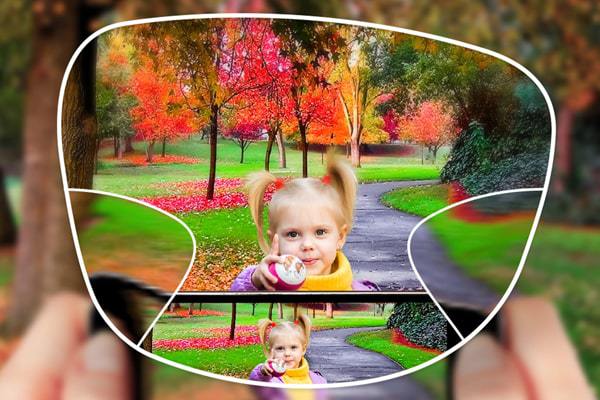
These are lenses with two parts. Theupper part tends to be used for seeing things at a distance and the lower part for seeing things close up, for example when you are reading.
Varifocals

These are lenses with more than two parts. The top part is for seeing things at a distance. This gradually increases in strength until the full reading prescription is near the bottom of the lens. You can use the part that gradually increases for seeing things int he middle distance, for example looking at a computer.
For more definitions of eye conditions, visit www.rnib.org.uk/eyehealth/eyeconditions/Pages/eye_conditions.aspx.


© Copyright Prescription Eyewear Ltd. and its affiliates 2004-2012. All rights reserved.

UK company number: 05139004.