









How to protect your eyes this World Sight Day
8 October 2025

In short: World Sight Day falls on 8 October 2026 and is coordinated by the International Agency for the Prevention of Blindness (IAPB) alongside partners, including the World Health Organisation. The campaign’s message is simple — Love Your Eyes — and starts with something small: booking an eye test.
Here’s what the day is about, why it matters and how to look after your own eye health.

World Sight Day is a global awareness event held every second Thursday in October, coordinated by IAPB, the International Agency for the Prevention of Blindness, working alongside organisations including the World Health Organisation. It exists to put eye care on the agenda, since most people will experience some form of eye health issue in their lifetime, yet more than a billion people worldwide still don’t have access to the eye care they need.
The day isn’t just awareness for its own sake. It’s built around a simple idea: most sight loss is preventable, and access to good eye care changes lives.

Since 2021, IAPB’s Love Your Eyes campaign has encouraged people everywhere to take one small action for their eye health — usually booking an eye test — and pass the message on. More than 25 million people have pledged to #LoveYourEyes since the campaign began, turning a simple ask into one of the biggest moments in the eye health calendar.
Getting involved doesn’t take much:
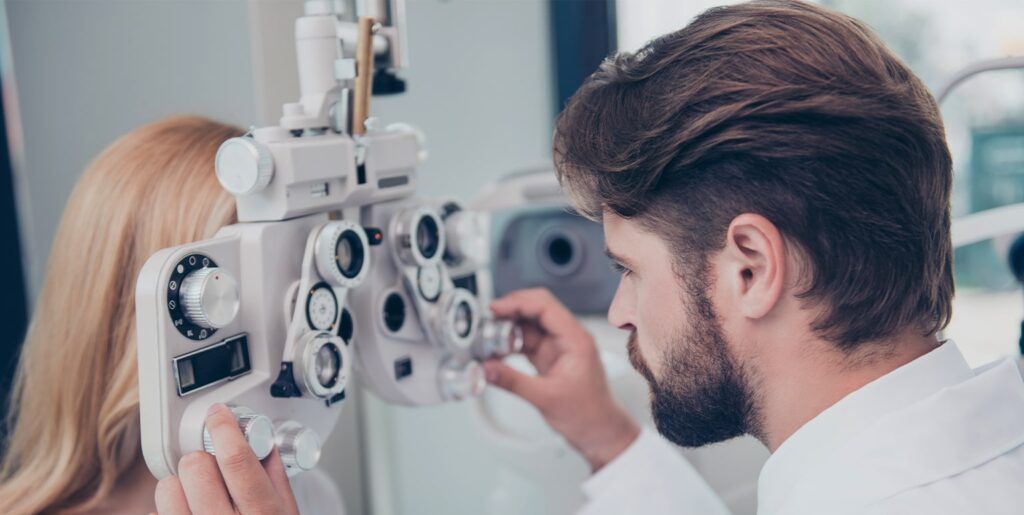
An eye test does more than update your prescription. Regular checks allow for early detection of conditions that can otherwise develop unnoticed. This includes cataracts, glaucoma, macular degeneration and diabetic retinopathy. They can also flag wider health issues, such as diabetes or high blood pressure, before symptoms develop elsewhere.
Left unmanaged, these issues can lead to poor vision, vision problems, or, in more serious cases, visual impairment and preventable blindness. The reassuring part: many of the most common causes of sight loss, including refractive errors and other treatable eye diseases, respond well to timely treatment. Cataract surgery, for instance, remains one of the most effective interventions in eye care worldwide, restoring sight for people living with vision impairment.
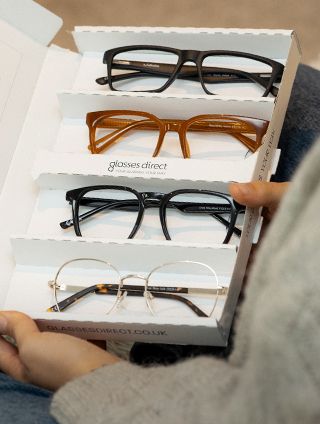
At Glasses Direct, if your prescription isn’t up to date, you can still order — simply send it later by photo, email, phone or post.

Vision care doesn’t stop at the optician’s chair. A few everyday habits go a long way:
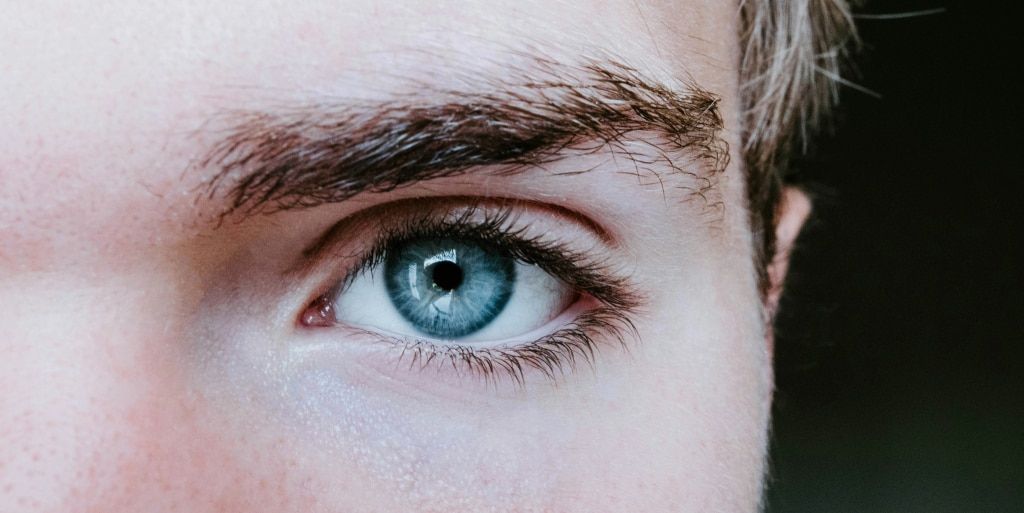
This World Sight Day, take a moment away from the screen to book the eye test you’ve been putting off. Share why you #LoveYourEyes on social media, encourage the people around you to do the same or support one of the charities working to expand eye care access worldwide.
World Sight Day is a global awareness day. It’s held on the second Thursday of October and focuses attention on eye health and preventable blindness. IAPB, the International Agency for the Prevention of Blindness coordinate it.
The Love Your Eyes campaign is IAPB’s ongoing initiative, launched in 2021. It encourages people worldwide to prioritise their eye health — most simply, by booking a regular eye test.
Yes, in many cases. Early detection through regular eye tests can catch conditions like cataracts, glaucoma and diabetic retinopathy before they progress, when treatment is most effective.
Beyond refractive errors, an eye exam can pick up early signs of diabetes, high blood pressure and various eye diseases, sometimes before other symptoms appear.
Most adults should have a comprehensive eye test every two years, though your optician or optometrist may recommend more frequent checks depending on your health.
Yes. A balanced diet rich in vitamins A, C and E, along with omega-3s, supports long-term eye health and may help lower the risk of some eye diseases.