






Green eyes: interesting facts and best glasses to make them shine
8 September 2026

In a nutshell: Green eyes are one of the rarest eye colours in the world, found in around 2% of people. They come from low melanin and light scattering, not green pigment, so the shade can look different depending on the lighting conditions. To make the colour stand out, try tortoiseshell, bronze or gold frames — or a bold contrast like plum or coral. Whatever the shade, UV protection matters year-round.
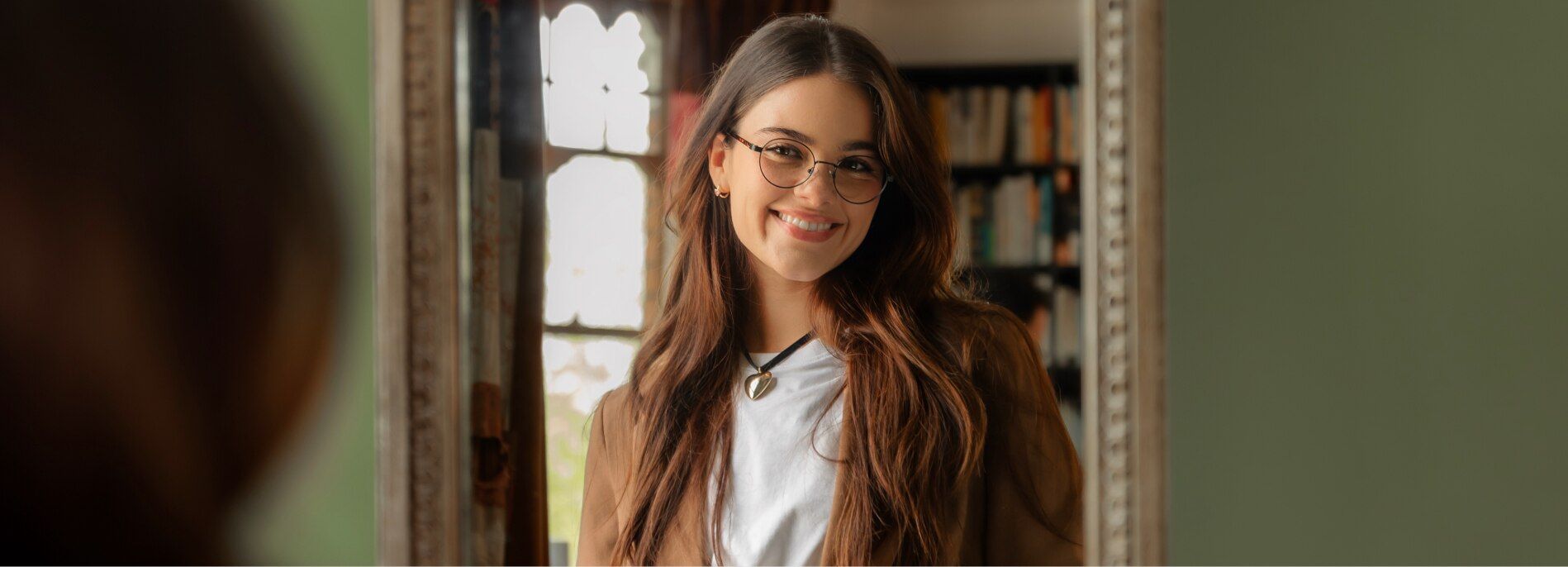
Only about 1 in 50 people have green eyes, and that rarity is a big part of the appeal. Whether yours are a true emerald, carry hazel flecks or you're simply green with envy at the thought, it’s hard to deny the pull of this eye colour. Here's what gives it that unique appearance, why it needs a little extra care in the sun and the frames that flatter it best.

It's a question that comes up often — people want to know just how unusual the colour is. At around 2% of the global population, green is rarer than blue eyes, making it one of the rarest natural eye colours. If you've got green eyes, there's a good chance you've been told they're unusual — and it's true.
Green eyes are most common among people of Northern, Western and Central European descent, and the UK is among the countries with the highest number of green-eyed people.
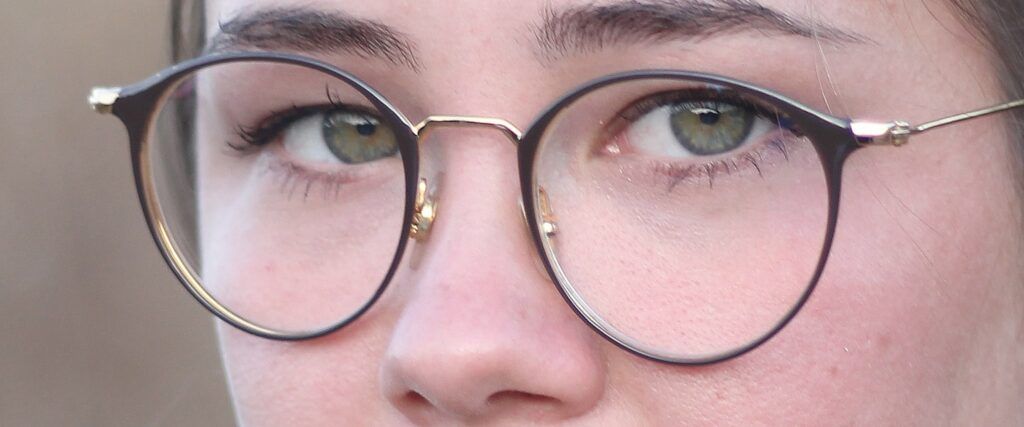
So where does the colour come from? Here's the surprise: despite the dazzling emerald appearance, there's no green pigment involved at all. The colour comes from a low level of melanin in the iris, combined with the way light reflects through it.
Less melanin in the iris means more Rayleigh scattering — the same effect that makes the sky look blue. That scattering, mixed with a touch of yellow-brown pigment (often called lipochrome), is what creates the illusion of green.
The recipe is written into your genes. Variations in the OCA2 gene and several others regulate eye pigmentation — specifically, how much melanin ends up in the iris. Green sits in a narrow band on that spectrum: very little melanin gives blue eyes, a touch more alongside that yellow pigment gives green, and more still gives hazel or brown. With less pigment overall, the iris can look a little different from one room to the next as the light around changes.
Eye colour is inherited from both parents, with each gene carrying two variations (alleles). It isn't one gene deciding everything, either — eye colour is polygenic, with the OCA2 and HERC2 genes on chromosome 15 doing most of the work, and several others chipping in. Together, they set how much melanin the iris makes, creating a continuum of colours rather than a few neat boxes. As a rough rule of thumb, brown eyes tend to be genetically dominant over blue — though with so many genes involved, it's more a tendency than a fixed rule. Green eye colour sits in the in-between zone, and because that melanin level lands in a narrow middle band, it's simply one of the less common outcomes.
You weren't born with your final colour, either. Many babies — especially those who'll end up with lighter eye colours — start with lighter eyes at birth, and melanin builds up over the following months. Eye colour usually settles within the first year, though it can keep shifting for a few years after that. Rarer still are heterochromia (where each eye is a different colour) and albinism (where very little melanin forms at all).
No two irises are quite the same. The exact mix of melanin and lipochrome shifts the shade across a wide range:
It's easy to muddle green and hazel. Unlike hazel eyes, which mix multiple colours and shift between green, gold and brown (often in a ring around the pupil), this colour tends to stay noticeably more consistent in tone. So, if the shade changes dramatically with an outfit or the light, there's a fair chance it's hazel rather than a true green.
You've probably noticed your eye colour looks different on some days than others. That's not in your head — the light around you shifts through the day, and this colour reads differently in each new setting. A grey jumper, a sunlit window or even the colour of your walls can nudge it cooler or warmer.
What won't change is the genetics underneath. Once melanin settles in early childhood — usually within the first year, though it can keep shifting for a few years after — the true shade is essentially fixed for life. A sudden, lasting change in one eye is a different matter, though, and worth getting checked at an eye test.
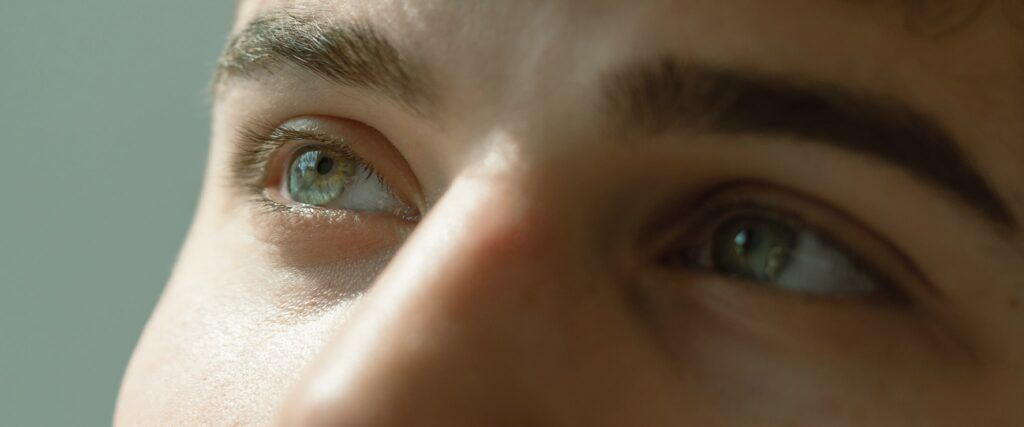
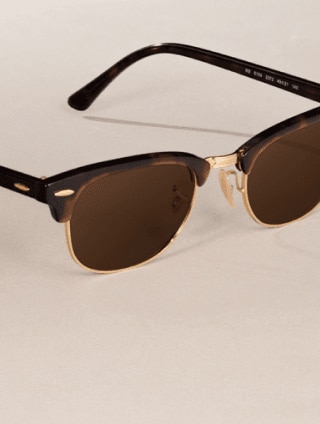
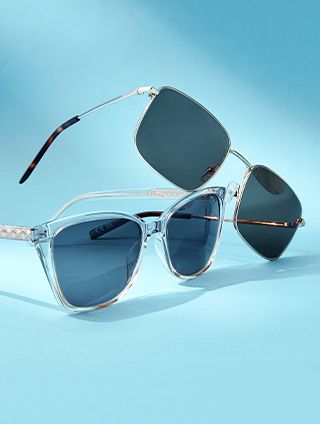
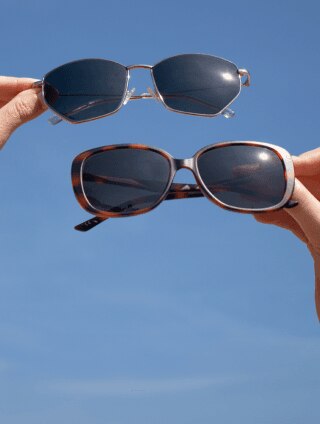
If bright days leave you squinting more than most, you're not alone — light sensitivity is common among people with lighter irises, who often notice more glare when the sun's out because their eyes have less pigment for protection. That's where sunglasses earn their keep. UV-blocking lenses cut the ultraviolet and harsh light reaching the eyes, and the advice is to wear them all year, not just in summer. Look for a 100% UV (UV400) rating, too. If you wear contact lenses, UV-protective options can add another layer of defence, though they don't replace the coverage sunglasses provide.
Need a prescription? Glasses Direct's prescription sunglasses give sharp vision and 100% UV protection in one pair. Also remember to book regular eye exams so a professional can keep tabs on the parts of the eye you can't see yourself. Without proper protection, your eyes could be at greater risk of conditions affecting the retina like cataracts and macular degeneration, with some research also pointing to a role in glaucoma. Protecting your eyes now is the best form of eye care.
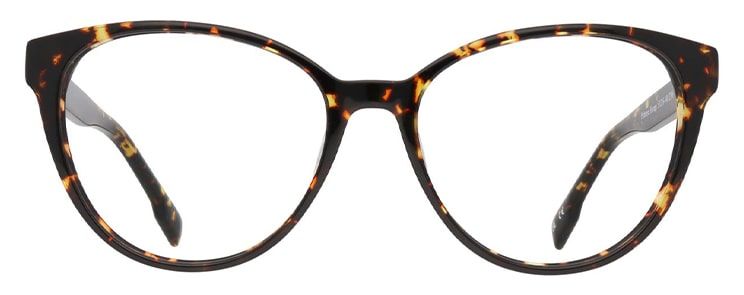
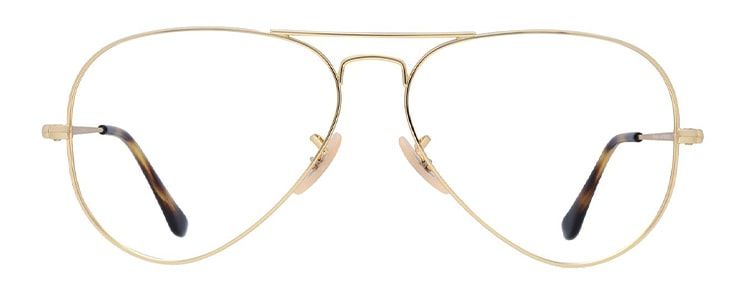
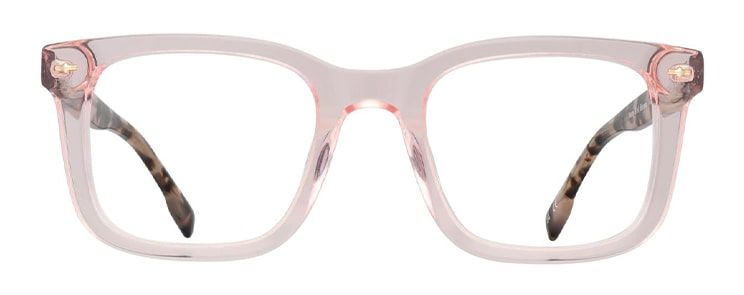
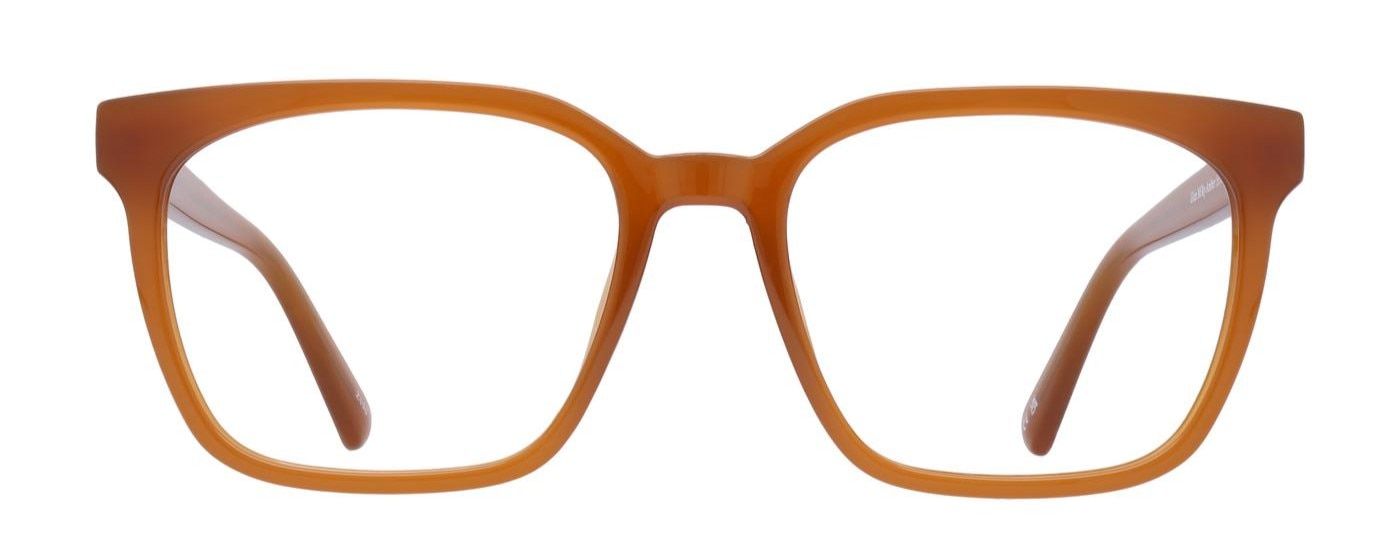
Here's the fun part — the right glasses don't just complement face shape; they draw attention to eye colour too. For those with green eyes, our advice is:
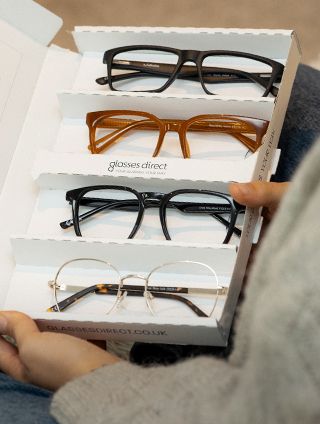
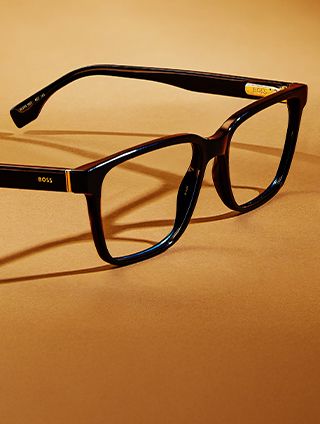
Shape matters as well. Soft, round frames lean gentle and retro; rectangles add a bit of structure — both can flatter, depending on face shape. Torn between them? That's exactly what the free Home Trial is for: order a few pairs to try at home, for free, in your own mirror and your own light, before committing to anything.
Yes. This colour is found in around 2% of the world's population, making it one of the two rarest natural eye colours, alongside blue.
Low-to-moderate melanin in the iris, combined with Rayleigh scattering of light and a touch of yellowish lipochrome pigment. There's no green pigment involved.
Both come from variations in genes like OCA2 and HERC2, but green tends to sit in a narrower, more consistent melanin band, while hazel shifts between green, gold and brown depending on the light.
The underlying shade is set for life once melanin settles in early childhood, usually within the first year, though it can keep shifting for a few years after. What looks like a change day to day is almost always the light, not the eye itself. A sudden change in one eye should be checked by an optician.
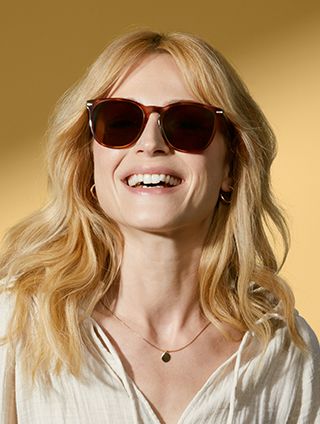
Tortoiseshell, warm brown and metallic bronze or gold tend to complement it, while plum, coral or burnt orange create a striking contrast. Frame shape and personal style matter too, so trying a few options is worth it.
Lighter irises do have less natural pigment to filter light, so many people notice more glare — though everyone benefits from UV protection regardless of eye colour. A UV400-rated pair of sunglasses, worn year-round, is a sensible habit for everyone.