






What causes hazel eyes and what glasses suit them best?
26 August 2026

In a nutshell: Hazel eyes come from a moderate, unevenly spread layer of brown melanin, a touch of yellow-brown pigment and the way light scatters across the iris — there's no dedicated green or gold pigment involved. That’s why brown, green and hazel eyes vary so much from person to person, and why the same pair of hazel eyes can look different depending on the light. Genetics, mainly two genes on chromosome 15, decide the final mix. Eye care for hazel eyes follows the same basics as any eye colour: UV-blocking sunglasses, regular eye tests and frames that highlight the subtle tones already in your iris.
Hazel eyes are genuinely mesmerising. Speckled with flecks of green, gold and brown — and sometimes blue or grey — they stand out as one of the most distinctive eye colours. And they seem to shift in different light. Do your eyes look brown in photos but green according to your friends? That unique variation is exactly what makes them stand out.
Here’s how hazel eyes get their colour, the genetics behind it, and what good hazel eye care looks like day-to-day.

Hazel eyes have a quality all their own. They shift between green, gold and brown, and can look different from one light source to the next. If strangers keep commenting on your eyes, that hard-to-pin-down colour is why. Only around 5%-10% of the world's population has hazel eyes, making them a rare eye colour globally — roughly similar to blue, though still more common than green. Hazel eyes are most common in North Africa, the Middle East, Spain and Brazil.
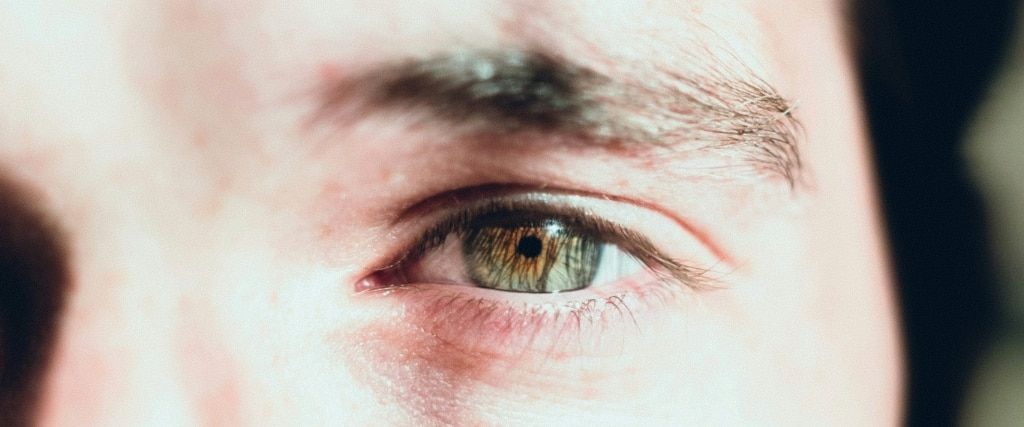
Understanding what gives eyes their hazel colour starts with melanin, the pigment responsible for how light or dark your eyes appear. As explained by the American Academy of Ophthalmology, the iris consists of two layers: a back layer that holds brown pigment in almost everyone, and a front layer whose pigment level decides whether eyes look brown, hazel, blue or green. The more melanin in that front layer, the darker the eye appears. Lighter eyes, like blue or grey, have none in it at all. Hazel eyes sit in between, featuring light-brown pigment in one or both layers that interacts with incoming light.
There's no green pigment in hazel eyes. What you're seeing is brown melanin plus Rayleigh scattering — the same effect that gives blue eyes their colour and makes the sky look blue — producing a warmer, speckled result. The gold flecks some people see near the pupil are usually put down to lipochrome, a yellowish pigment separate from melanin, though the exact biology is less settled than the blue-eye explanation.
There's no green pigment in hazel eyes. What you're seeing is brown melanin plus scattered light — the same mechanism that gives blue eyes their colour — producing a warmer, speckled result. The gold flecks some people see near the pupil are usually put down to lipochrome, a yellowish pigment separate from melanin, though the exact biology is less settled than the blue-eye explanation.
If you have hazel eyes but neither parent does, genetics is the reason — and it’s more tangled than old ideas about eye colour once assumed. Scientists used to think a single gene controlled eye colour, with brown dominant over blue, meaning two blue-eyed parents “couldn’t” have a brown-eyed child. Later research showed that model was too simple: eye colour is polygenic, meaning several genes play a part, so unexpected outcomes — including a hazel-eyed child from parents with other eye colours — are entirely possible.
A stretch of chromosome 15 does most of the work, home to two neighbouring genes, OCA2 and HERC2, which set how much melanin the iris produces. A handful of other genes fine-tune the final shade, which is why eye colour often can’t be predicted just by looking at the parents. Heterochromia can also occur, where each eye, or part of an eye, ends up a different colour.

We’ve all been asked the same slightly awkward question: what colour are your eyes, exactly? With hazel eyes, brown, green and gold are all reasonable answers. The colour is built from brown pigment and scattered light, not a fixed colour, so they can look different from one setting to the next — a lighter shirt, different makeup, even the room you’re standing in. The Cleveland Clinic explains that this kind of shift is usually an optical illusion caused by lighting or clothing rather than any real change in the eye, and it’s especially noticeable in lighter eye colours like hazel.
Two people with brown-green hazel eyes can still look nothing alike. Some are brown-dominant, with a warm ring of gold-brown and just a wash of green towards the edge. Others are green-dominant, where green leads and brown pools around the pupil.
Hazel and brown eyes often get mixed up, but they’re not the same. The difference is variation. Brown eyes carry high, even melanin and hold one consistent shade across the iris — it's the world's most common eye colour. Hazel eyes carry moderate, patchy melanin, with green, gold and brown showing at once. That uneven distribution is what gives them their depth and sparkle.
| Brown eyes | Hazel eyes | |
|---|---|---|
| Melanin | High and even | Moderate and patchy |
| Colour across the iris | One solid shade | Green, gold, and brown at once |
| In changing light | Stays put | Shifts warmer or greener |
| Overall effect | Deep and steady | Depth, flecks and sparkle |
Hazel-green eyes tend to get the most attention, but brown-dominant hazel — where warm gold-brown leads and green only edges in — is just as much hazel.
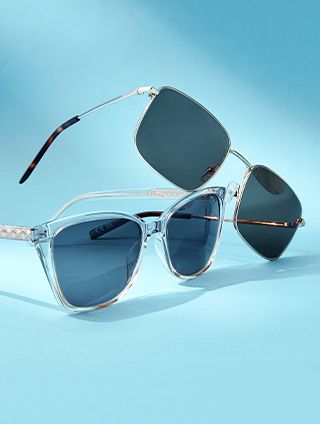
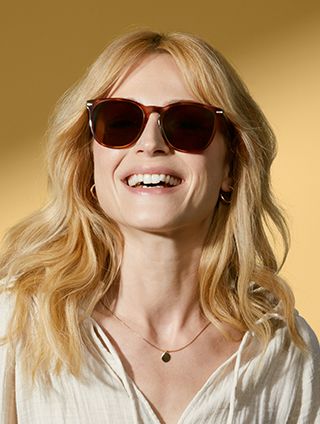
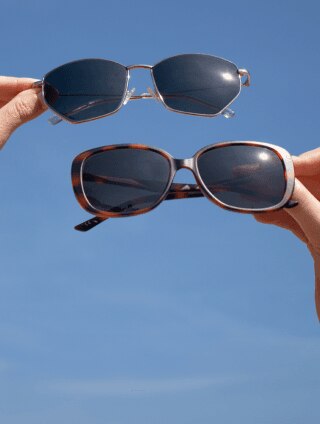
Bright days can feel harsh on lighter eyes, which is one reason hazel eye care starts with good sunglasses. Ideally, a pair of polarised sunglasses that filter UV light and take the edge off glare, especially when paired with a wide-brimmed hat in summer. Wear a prescription? Polarised prescription sunglasses do the same job.
Beyond bright light, hazel eye care is really just good eye care generally, whatever your eye colour. Regular sight tests protect your vision and catch eye disease early. The NHS recommends a sight test at least every two years — more often if your optometrist advises it — and it’s free if you qualify, for example, if you're under 16, over 60, living with diabetes or glaucoma, or on certain benefits.
A sight test does more than catch changes early — it keeps your prescription up to date, so the right lenses are pulling their weight, whether that’s everyday glasses or prescription sunglasses.
Hazel sits between brown and green, so it plays well with earthy, deep tones — and a couple of bold ones too. A few frame colours that flatter hazel eyes include:
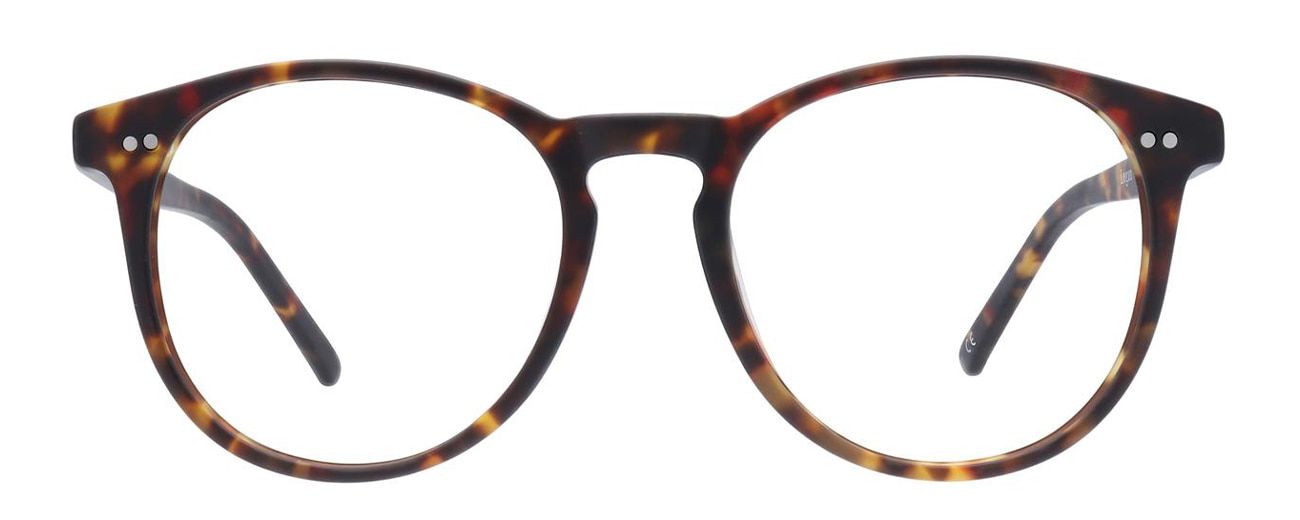
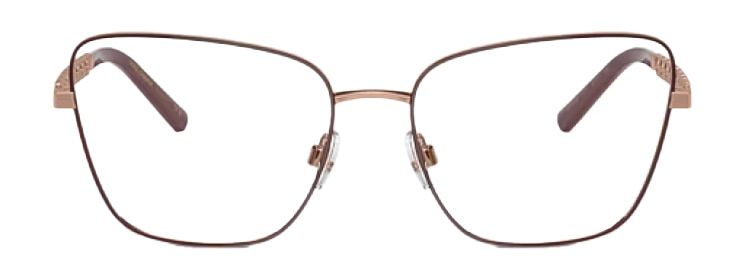
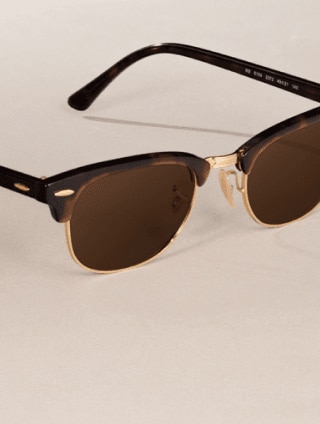
A few styles worth trying: a crystal-green acetate pair, a warm matte tortoiseshell, or a designer style from iconic brands like Ray-Ban® or Dolce & Gabbana. Glasses Direct’s own-brand frames sit around £49, and there’s a 2-for-1 offer on selected frames if a backup pair would help.
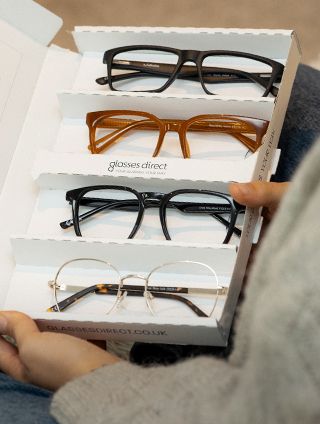
Eye colour is personal, and so is what suits you. The surest way to find a match is Home Trial: order a few frames, try them at home for free, and keep the pair that makes your eyes pop.
Hazel eye care means the same fundamentals as caring for any eye colour: UV-blocking sunglasses, a sight test at least every two years, and frames chosen to suit skin tone and the specific mix of brown, green and gold in the iris.
Hazel eyes come from a moderate, unevenly spread amount of brown melanin in the iris, combined with light scattering. There's no separate green pigment — any gold or amber flecks are usually attributed to lipochrome, a distinct yellowish pigment, though this is less well understood than the melanin-and-scattering story.
Because hazel eyes are built from brown pigment and scattered light rather than a fixed colour, they pick up different warmth and depth depending on the light around them. It's a normal optical effect, not an actual change in pigment.
Hazel is less common than brown but more common than green, and it varies a lot within itself — some people have brown-dominant hazel, others green-dominant. That variation is part of what makes hazel eyes distinctive.
Yes. Eye colour is polygenic, driven mainly by the OCA2 and HERC2 genes on chromosome 15 alongside several smaller-effect genes, so the outcome doesn’t always follow the simplest inheritance pattern.
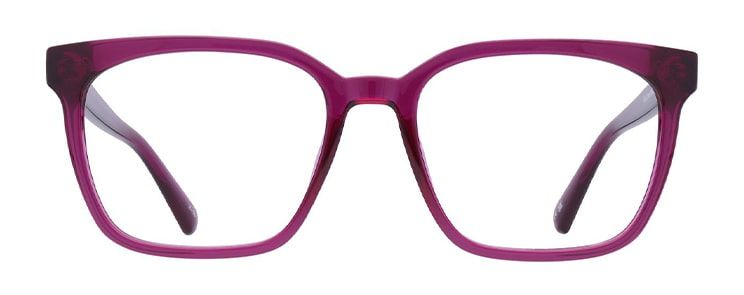
Warm browns, forest greens, rich tortoiseshell and gold tones tend to complement hazel eyes. Bold red, blue or purple frames provide cool contrast against hazel's warm base, making them stand out rather than blend in.
The NHS recommends a sight test at least every two years, or more often if your optometrist advises it. It's free of charge for people who qualify, including those aged 60 or over, under 16, or receiving certain benefits.