





When choosing a new pair of glasses, most of us focus on frame style, forgetting that it’s the lenses that really impact our everyday vision. From single vision to varifocal lenses, different lens coatings are commonly offered as optional extras — but are lens coatings really worth it?
For most wearers, the answer is yes. The right lens coatings can provide visual clarity, reduce eye strain, protect your eyes from UV damage, and improve the durability of your eyewear. Here’s everything you need to know before deciding which options are best for you.

What are lens coatings?
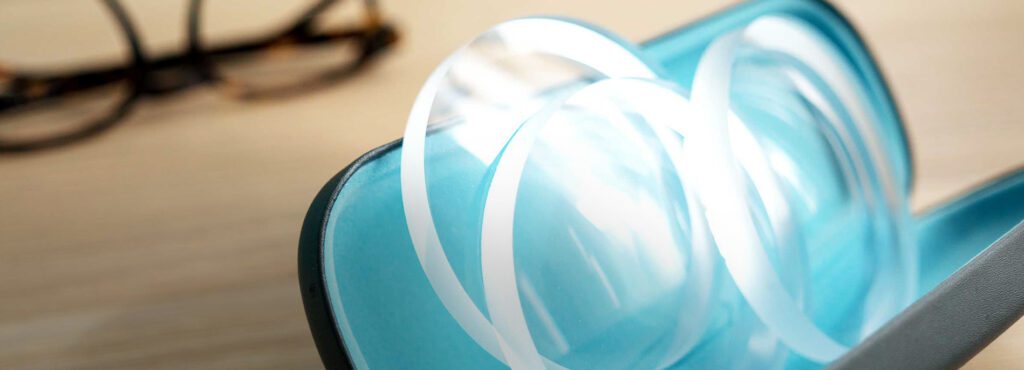
Lens coatings are ultra-thin layers applied to the surface of your eyeglass lenses to enhance performance, comfort, and durability. Depending on the type of coating, they can:

Reduce glare and reflections

Repel water, oil, and dust

Resist scratches and smudges

Protect your eyes from harmful UV rays
You can choose a single coating or combine several into a premium coating package, depending on how you use your glasses — like high-index (for a lighter, thinner lens).
The most common lens coatings for glasses (and what they do)

Anti-reflective lens coatings:
Also known as: anti-glare coating, AR coating
Best for: everyday eyewear, screen use, night driving
Anti-reflective coatings reduce glare and reflections on the lens surface, allowing more light to pass through the lens. This results in:
- Clearer vision, especially for driving at night
- Reduced eye strain from screens and artificial lighting
- A clearer appearance, so your eyes are more visible behind the glasses lenses
AR coatings are one of the most commonly recommended coating options by opticians and eyecare professionals.
Worth it?
✔️ Yes — one of the most valuable lens coatings for everyday eyewear.

Scratch-resistant coating
Also known as: hard coating, protective coating
Best for: longer-lasting lenses
A scratch-resistant coating adds an extra protective layer to help reduce everyday wear and tear. While it cannot be considered as anti-scratch, this coating helps protect the lens surface from minor abrasions (such as those caused by improper cleaning), and it’s especially beneficial for lightweight lens materials like polycarbonate.
Worth it?
✔️ Yes — ideal if you wear your glasses daily and want them to stay clear for longer.
UV protection
Also known as: anti-UV, UV blocking
Best for: eye health, outdoor wear
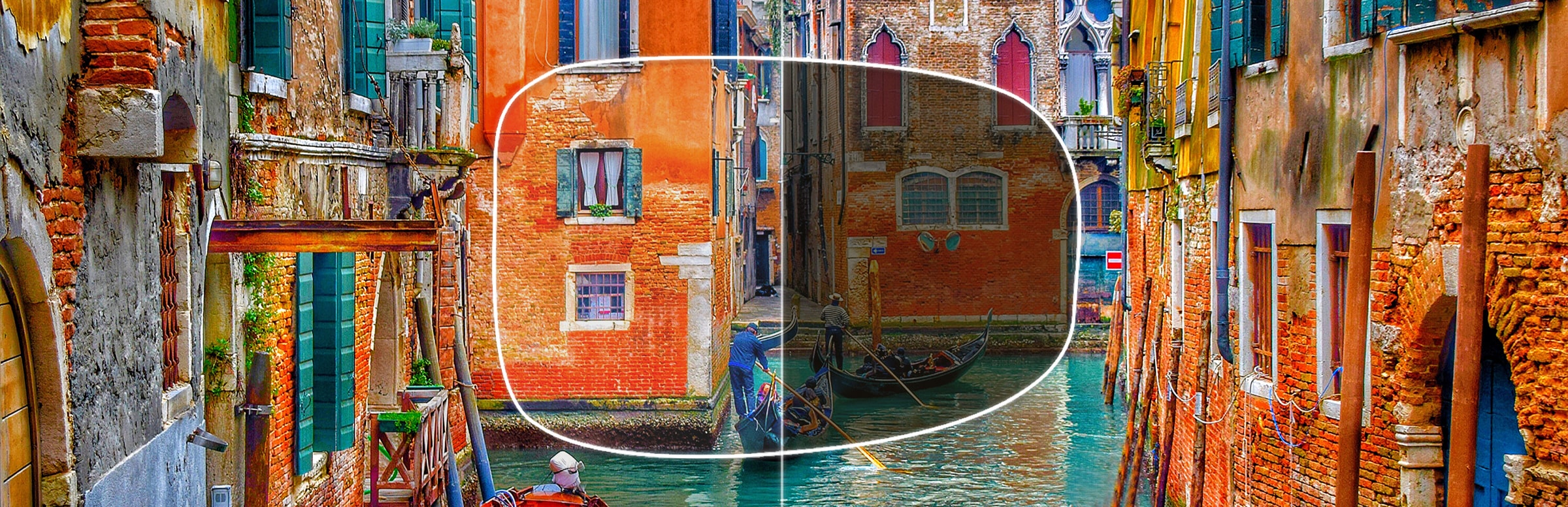
UV coatings block harmful ultraviolet rays, helping protect your eyes from long-term damage. UV protection is especially important if you spend a lot of time outdoors, drive regularly, or wear clear lenses rather than sunglasses.
Many modern prescription lenses include UV protection as standard, but it’s always worth checking.
Worth it?
✔️ Absolutely — UV protection is essential, not optional.

Blue light coating
Also known as: blue light lenses, blue light filter
Best for: digital lifestyles, office work
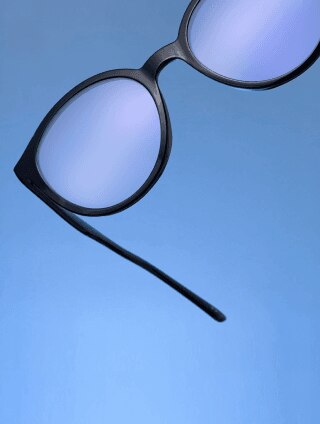
Blue light coatings filter some of the high-energy blue light emitted by screens. While they don’t block all blue light, they may help reduce digital eye strain and improve comfort during prolonged screen use.
Worth it?
✔️ Yes, especially if you spend several hours a day on laptops, phones, or tablets.

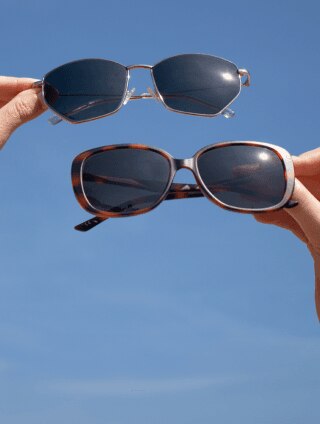
Polarised coating (for sunglasses)
Also known as: polarised sunglasses, polarised lenses
Best for: driving, outdoor activities, sports, snow
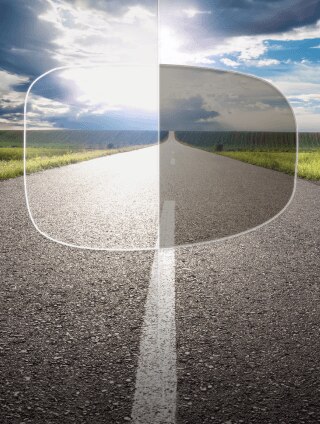
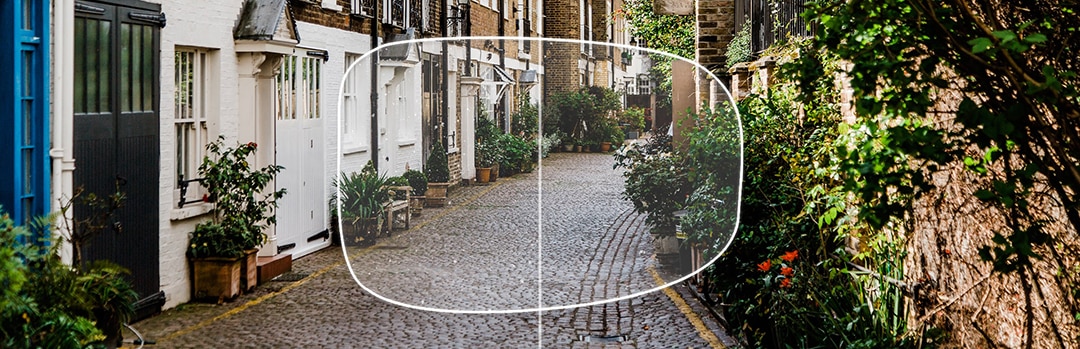
Polarised lenses reduce intense glare reflected from flat surfaces such as roads, water, or snow. They’re particularly useful for:
- Day-time driving and reducing road glare
- Outdoor sports and activities
- Snowy or high-glare environments
They’re available in both prescription sunglasses and tinted lenses without a prescription.
Worth it?
✔️ Yes — one of the most noticeable upgrades for outdoor vision.
Hydrophobic and anti-static coatings
Also known as: water resistant, easy cleaning
Best for: low maintenance, clean lenses
Hydrophobic coatings repel water, while anti-static coatings help prevent dust and debris sticking to your lenses. Together, they:
- Reduce smudges and fingerprints
- Make lenses easier to clean
- Keep lenses clearer for longer
Our KODAK lens options combine scratch resistance, easy-clean water-repellent surfaces, and advanced glare-reducing technology for enhanced comfort and crystal-clear vision.
Worth it?
✔️ Yes — perfect if you want clean lenses with minimal effort.

How long do lens coatings last?
Most lens coatings last 2–3 years, or as long as your glasses do — provided they’re cared for properly.
With daily wear, high-quality coatings like anti-reflective, scratch-resistant, and water-repellent finishes are designed to withstand normal use, but they can wear down faster if lenses aren’t cleaned correctly or are exposed to heat, friction, or harsh cleaning methods.

How to clean coated lenses properly
To protect your lenses, make sure you clean your glasses using lukewarm water and a small drop of mild washing-up liquid, gently rubbing the lenses with clean fingers. Rinse thoroughly and dry with a microfiber cloth. Avoid paper towels, tissues, clothing, or household cleaners, as these can damage coatings and cause fine scratches. Storing your glasses in a protective case when not in use also helps extend the life of your lenses.

Are lens coatings worth the extra cost?
So, are lens coatings worth it when compared to uncoated lenses? For most people, they’re a smart upgrade rather than an unnecessary extra.
They can:
- Improve visual clarity
- Reduce eye strain
- Protect against UV damage
- Keep lenses cleaner and more durable
- Extend the life of your glasses
If you wear your glasses every day, even small improvements in comfort and durability can make a noticeable difference over time. Many high-quality premium lenses — including Kodak lenses and Transitions® — include multiple coatings as standard.

Which lens coatings should you choose?
If you’re not sure where to start, here’s a simple guide:
- Everyday eyewear: Anti-reflective + scratch-resistant + UV
- Screen-heavy use: Anti-reflective + blue light coating
- Sunglasses: Polarised lenses + UV protection
- Active lifestyles: Scratch-resistant + anti-reflective + water-repellent coating
Final thoughts: are lens coatings worth it?
Lens coatings are worth it if you want clearer vision, greater comfort, and longer-lasting eyeglasses. Choosing the right types of lens coatings for your lifestyle and vision needs can make as much of a difference as picking the perfect frames.
Before ordering new glasses, make sure your prescription is up to date with a recent eye exam. When it comes to everyday eyewear, upgrading your lenses is an investment you’ll notice every single day.