









How to prevent scratches on glasses
23 April 2026

In short: To prevent scratches on glasses, clean your lenses with a microfibre cloth and lens cleaner, store your glasses in a hard case, and choose a scratch-resistant coating. Avoid paper towels, glass cleaners, and DIY home remedies like baking soda or car wax.
Scratches on eyeglass lenses are one of the most common issues people face with prescription glasses. Even minor scratches can affect clear vision, causing glare, smudges, and discomfort in everyday use.
The good news is that most scratched glasses are caused by simple habits — and with proper care, you can keep your eyewear looking scratch-free for longer.

Scratches on glasses lenses can disrupt your vision by scattering light across the lens surface. This can make everyday tasks harder, especially when using screens with blue light or driving at night.
Over time, scratched lenses may require you to purchase new lenses or even a new pair of glasses, which is why prevention is key.
If your vision is affected, an optician may recommend replacement after an eye exam.
Most scratches come from everyday cleaning and storage mistakes.
Common causes include:
These habits damage the lens coatings and create long-term wear.
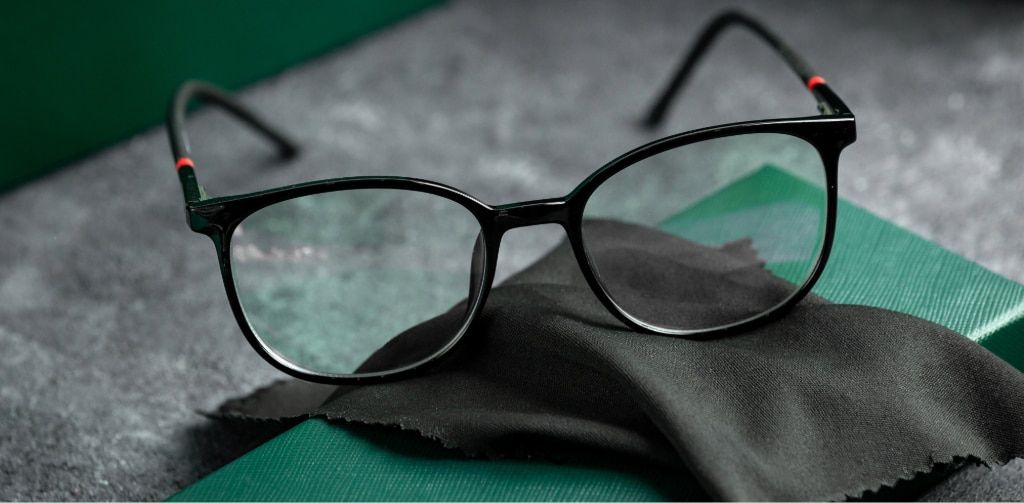
A hard case is one of the simplest ways to protect your glasses. It helps prevent scratches, pressure damage, and heat exposure (like leaving them on a car dashboard), keeping your frames and lenses in better condition for longer.
These small habits can help prevent most everyday damage.
Knowing how to clean glasses without scratching them is one of the most important habits.
Proper cleaning steps
Avoid cleaning in circular motions with dry lenses, as this can grind particles into the surface.

Always use tools designed for eyeglasses:
Avoid:
These can damage protective coatings and lead to scratched lenses.
Modern glasses lenses often include:
These protective coatings help reduce wear on both plastic lenses and other materials.
While not fully scratch proof, they significantly improve durability.

Your lens choice makes a difference when it comes to preventing scratches.
Recommended options:
If you’re ordering new glasses, it’s worth selecting upgraded lens coatings for long-term protection.
Many people search for ways to remove scratches, but most home remedies can make things worse.
Avoid:
These methods can damage the lens surface and strip coatings.
Best option:

Consistent care keeps your eyewear in better condition.
Simple routine:
These small habits help maintain clear vision and keep your eyeglasses looking new.
Unlike contact lenses, which are replaced regularly, prescription glasses need long-term care.
Because eyeglass lenses are exposed to daily wear, they require proper cleaning and storage to stay scratch-free.
Preventing scratches on eyeglasses is simple when you use the right approach. Clean lenses properly, store them in a protective case, and choose a scratch-resistant coating from the start.
If your current pair of glasses is already damaged, it’s worth speaking to an optician or eye care professional about replacing them with a more durable pair. You can also contact our team via phone or live chat for help with your order and added reassurance.
With the right habits, your eyewear will stay clearer, more comfortable, and ready for everyday use.
To prevent scratches on glasses, clean lenses with a microfibre cloth and lens cleaner, store them in a hard case, and avoid placing them lens-down. Choosing scratch-resistant coatings also helps protect against everyday wear.
Rinse lenses under lukewarm water first, then use a lens cleaner or mild soap. Clean gently with your fingers and dry with a microfibre cloth. Avoid wiping lenses when dry, as this can cause scratches.
A microfibre cloth is the best option for cleaning glasses. It’s designed to lift dirt and oils without scratching lenses or damaging coatings. Avoid tissues, paper towels, or clothing, as these can leave marks or cause fine scratches.
Yes, anti-scratch coatings help protect lenses from minor abrasions and daily wear. While not completely scratch proof, they significantly improve durability and help maintain clear vision for longer.
Scratched lenses usually cannot be repaired effectively. DIY methods like toothpaste or baking soda can worsen damage. If scratches affect your vision, an optician may recommend replacing the lenses.