












Whether you’re committing to healthier habits in 2026 or simply looking for ways to better protect your eyesight, good vision goes beyond booking routine eye tests. What you eat plays a major role. Research shows that specific vitamins, minerals, and antioxidants can support retinal function, protect your eyes from oxidative stress, and reduce the risk of age-related eye conditions such as cataracts. Below, discover some of the best foods for eye health—plus simple, practical ways to incorporate them into your daily meals.
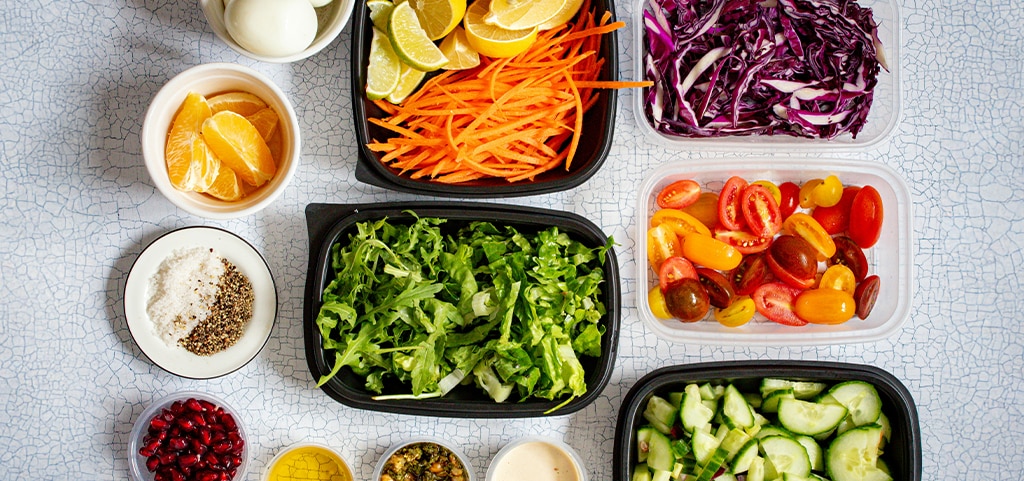
Why nutrition matters for eye health?
Your eyes rely on a wide range of nutrients to function at their best. Vitamins A, C, and E, essential minerals like zinc, and antioxidants such as lutein, zeaxanthin, and omega-3 fatty acids all play important roles in supporting and maintaining healthy vision.
A balanced diet can help:
- Lower the risk of age-related macular degeneration (AMD)
- Improve tear production and reduce dry-eye symptoms
- Support healthy blood vessels in the retina
- Promote strong night vision
- Reduce inflammation and oxidative stress
While a healthy diet can’t prevent every eye condition, it provides a strong foundation for long-term eye health—especially when combined with regular eye care from an optometrist or ophthalmology specialist.
The best foods for eye health
Below is a breakdown of the most important nutrients for your eyes, where to find them, and how to add them to your daily meals.
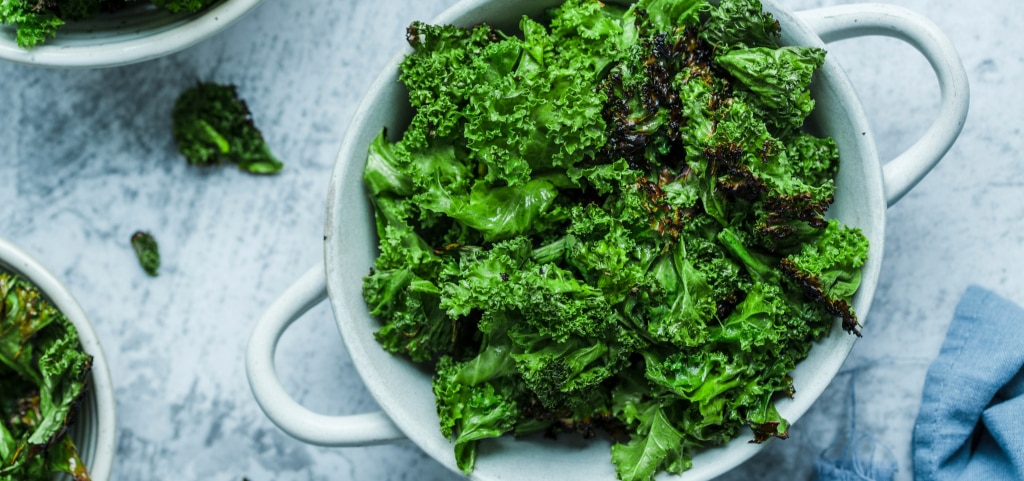
Leafy green vegetables — lutein and zeaxanthin for macular health
Dark leafy greens such as kale, spinach, broccoli, and collard greens are among the best foods for eye health. They’re rich in carotenoids—particularly lutein and zeaxanthin—which act as powerful antioxidants and accumulate in the macula, the area of the retina responsible for sharp, central vision.
Why they’re great for your eyes:
- Filter harmful UV and blue light
- Protect cells from oxidative stress
- Support macular function
- May reduce the risk of cataracts and AMD
Easy ways to enjoy them:
- Add spinach to your morning smoothie
- Make baked kale crisps as a snack
- Mix steamed broccoli into pesto pasta or hearty grain salads
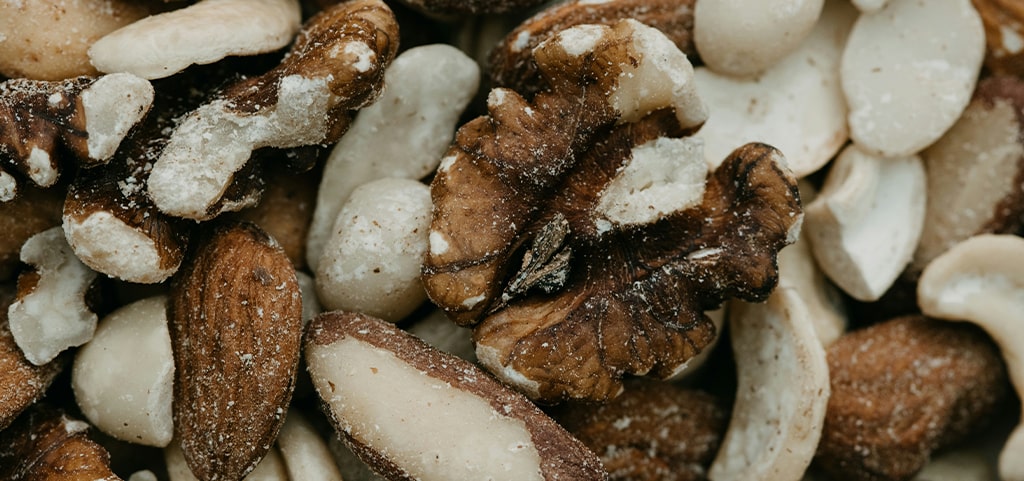
Oily fish, nuts, and seeds — omega-3 fatty acids for retinal health
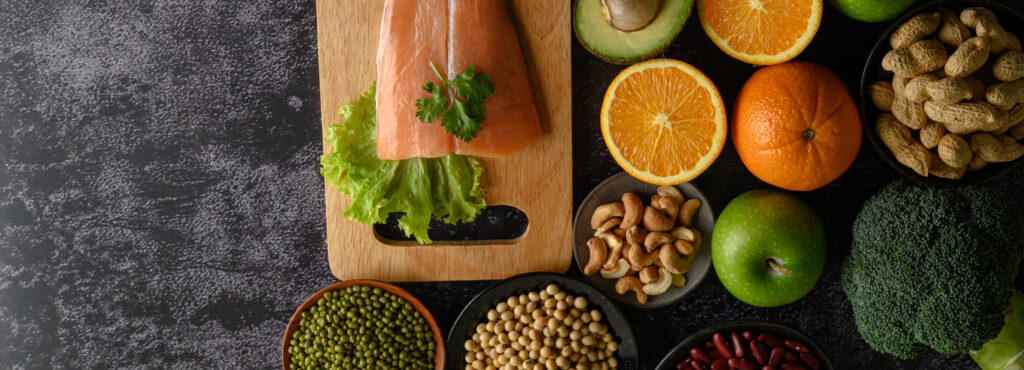
Oily fish such as salmon, sardines, trout, and mackerel are good sources of omega-3 fatty acids (DHA and EPA), which is one of the best vitamins for eyesight. Plant-based sources include walnuts, flaxseeds, chia seeds, and hemp seeds.
Why they’re good for your eyes:
- Support healthy retinal function
- Help reduce inflammation
- Enhance tear production and quality, preventing dry-eye symptoms
- Regulate eye pressure (beneficial for glaucoma management)
- May slow age-related vision decline
Try adding:
- Chia or flaxseeds to yoghurt, porridge, or salads
- A handful of walnuts to your diet as a satisfying snack
- Salmon (or another oily fish) to your meals 2–3 times a week
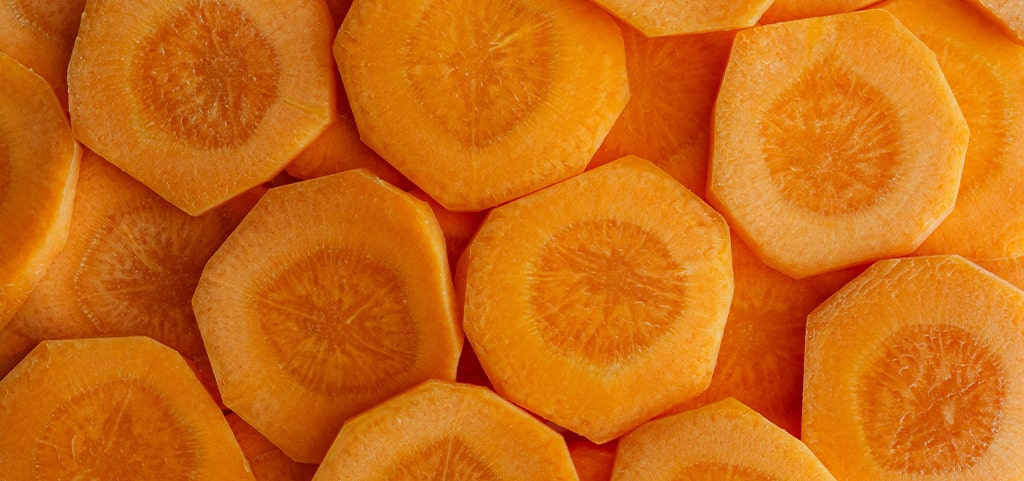
Orange-coloured fruits and veg — vitamin A for low-light vision
Foods like carrots, sweet potatoes, butternut squash, and apricots are packed with beta-carotene, which your body converts to vitamin A.
Benefits for your eyes:
- Keeps the cornea (the clear protective layer of your eye) healthy
- Supports the immune system and reduces retinal cell damage
- Helps prevent night blindness
How to include them in your meals:
- Make warming winter soups or stews with carrots or squash
- Snack on dried apricots
- Enjoy sweet potato wedges as a delicious, nourishing side
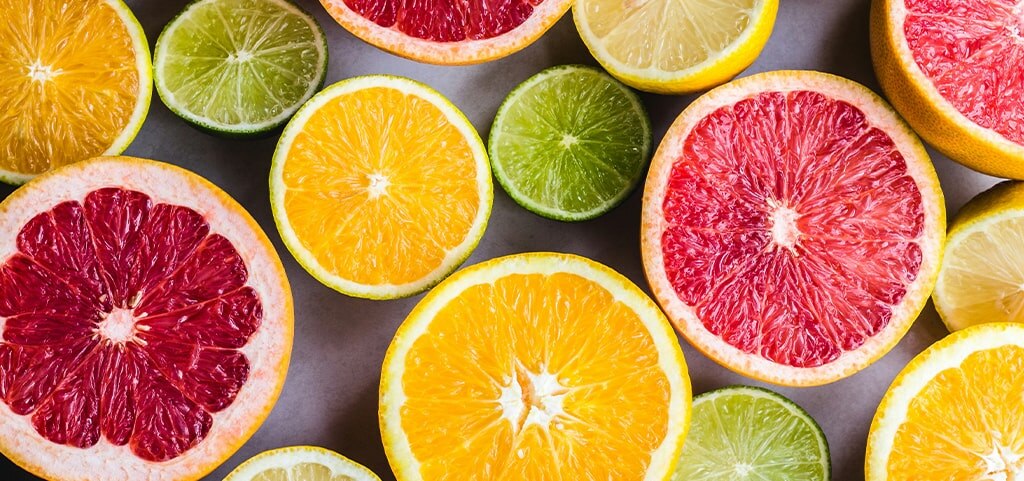
Citrus fruits — vitamin C for strong blood vessels
Vitamin C is a powerful antioxidant that plays an essential role in maintaining good vision by supporting the blood vessels in your eyes.
Citrus fruits such as oranges, lemons, and grapefruits—along with strawberries, green/red peppers, kiwi, tomatoes, and Brussels sprouts—are all excellent sources of vitamin C.
How vitamin C supports your eyes:
- Helps produce collagen, strengthening the blood vessels in the eyes
- May slow the formation of cataracts
- Protects against free radicals and oxidative stress
Serving ideas:
- Make freshly squeezed orange or grapefruit juice
- Snack on sliced peppers with hummus
- Roast Brussels sprouts as a healthy side
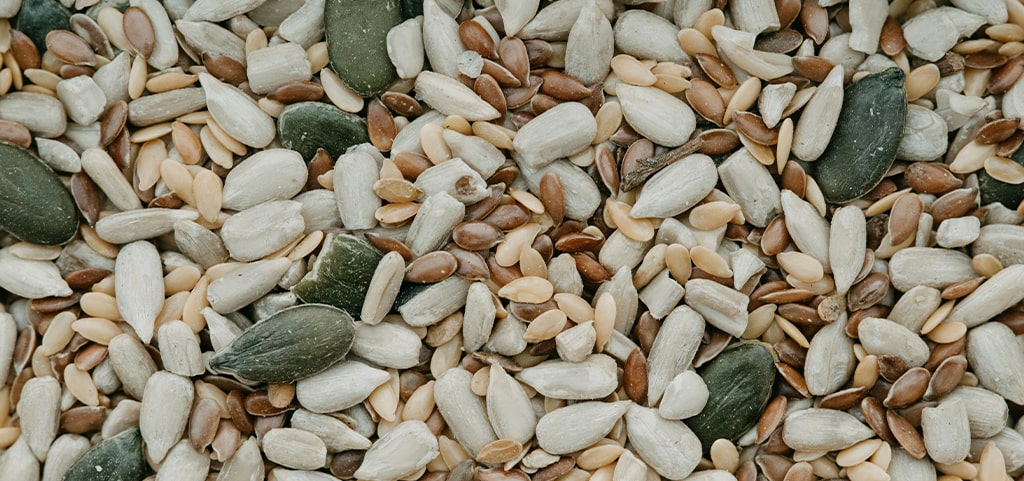
Sunflower seeds, and avocados — vitamin E for retinal protection
Vitamin E is a powerful antioxidant that helps protect the delicate tissues of your eyes—especially the retina—from oxidative stress and damage caused by free radicals. Good sources include sunflower seeds, hazelnuts, almonds, extra virgin olive oil, peanuts, and avocados.
Why they help your vision:
- Reduce oxidative stress in eye tissues
- Protect proteins that keep the eye lens clear
- Can prevent eye conditions like cataracts and macular degeneration
- Work even better when combined with vitamin C
Serving ideas:
- Spread mashed avocado on wholegrain toast
- Bake sunflower seeds into muffins, breads, or energy bites
- Sprinkle crushed peanuts over noodle dishes or stir-fries
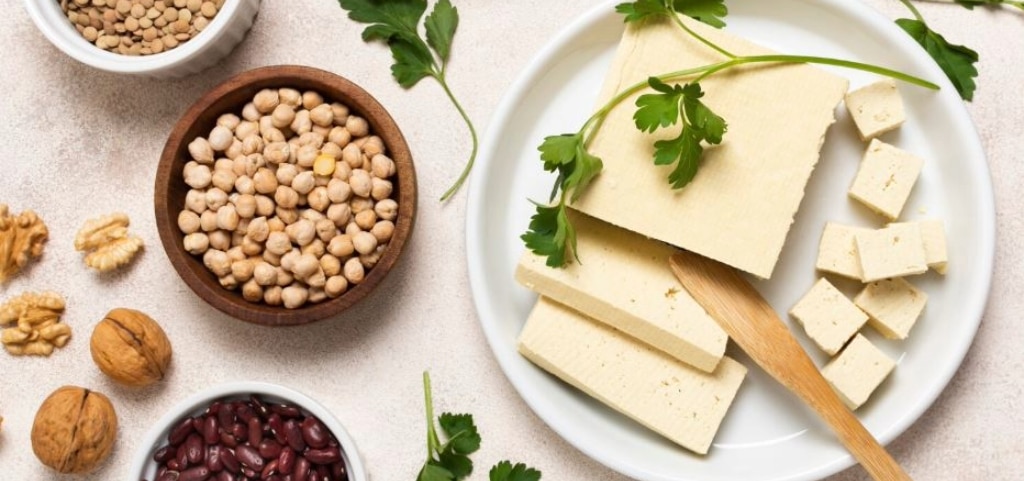
Red meat, poultry, and legumes — zinc for healthy eye function
Zinc is essential for maintaining good eye health. It helps transport vitamin A from the liver to the retina, supporting melanin production and protecting your eyes from UV damage. Good sources include beef, turkey, chicken, oysters, tofu, kidney beans, chickpeas, and lentils.
Why they’re good your eyes
- Essential for vitamin A metabolism
- Helps maintain healthy retinal function
- Linked with slower progression of age-related eye diseases
Serving suggestions
- Use tofu in scrambles or add chicken to stir-fries
- Roast chickpeas for a crunchy high-protein snack
- Add kidney beans or beef mince to chilli, tacos, or burrito bowls
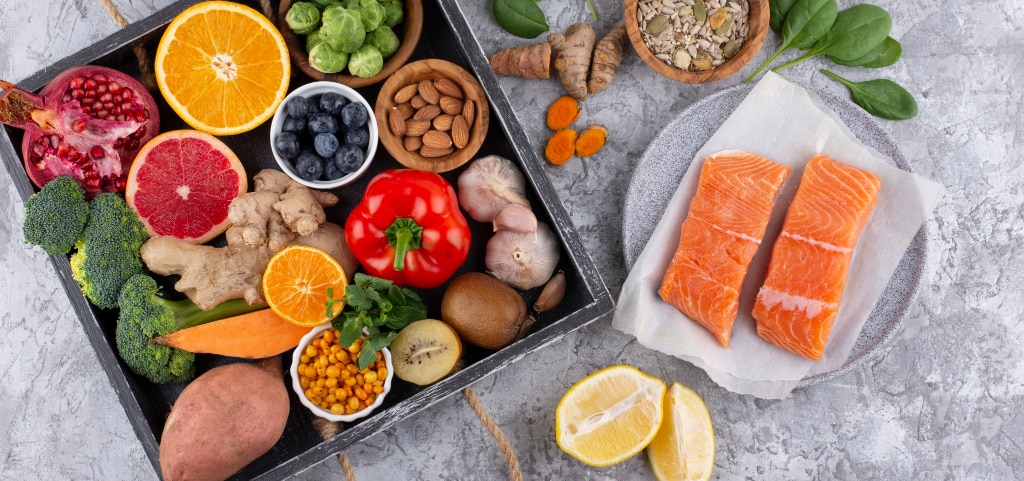
Additional foods that support healthy eyes
These nutrient-packed foods also offer powerful benefits for your vision:
Blueberries — rich in anthocyanins that protect retinal cells
Egg yolks — high in lutein and zeaxanthin for support of the macula
Whole grains — stabilise blood sugar and reduce the risk of diabetic retinopathy
Mangoes — a sweet, easy source of vitamin A and antioxidants

How to maintain a balanced diet for healthy vision
According to The Eatwell Guide from the NHS, the best diet for supporting both healthy eyes and overall wellbeing includes:
- Plenty of fruits and vegetables
- High-fibre carbohydrates (pasta, oats, potatoes with skins, whole grains, and wholemeal bread)
- Protein from meat, fish, legumes, or plant-based sources
- Dairy or fortified alternatives
- Small amounts of unsaturated oils
Try to limit:
- Foods high in salt, sugar, and saturated fats
- Highly processed foods and frequent takeaways
Some of the worst foods for eye health are those high in salt, sugar, and saturated fats. Consuming them in excess can fuel inflammation, increase oxidative stress, and raise the risk of developing eye conditions.
Balance is key — you don’t need a perfect diet, just consistent, healthy habits.
Other essential eye health tips…
Nutrition is just one aspect of good eye care. The following habits can also help you maintain good vision and protect your eye health for the future:

Stay hydrated
Drinking water can benefit your eye health by supporting tear film stability and reducing dry-eye discomfort.

Get your eyes checked regularly
Visit your local optician for routine eye exams. Many eye diseases show no early symptoms, and early detection is essential.

Consider supplements if needed
Eye health supplements may help if your diet is limited but always speak to healthcare professional first.

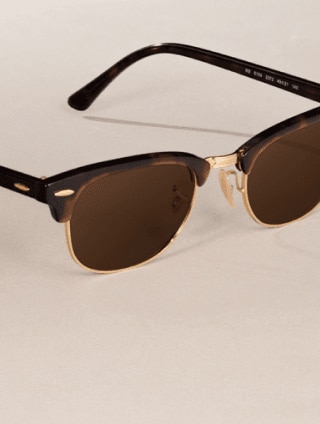
Wear UV-blocking sunglasses
Sunglasses protect your eyes against UV damage year-round.

Give your eyes a break from contacts
Over-wearing contacts can lead to dryness, irritation, and infection.

Practice good hygiene
Always wash your hands before handling lenses or applying makeup.

Protect your eyes at work
Use blue-light-filtering lenses for extended screen time and wear protective goggles in industrial settings.
In a nutshell
A nutrient-rich, healthy diet is one of the most effective ways to support your eyesight, reduce oxidative stress, and maintain sharp vision throughout your life. Combine these beneficial foods for eye health with good daily habits and eye care supported by an optometrist, and you’ll be taking meaningful steps toward protecting your eyesight for years to come.