






Best driving sunglasses: what's legal and which lenses to choose
17 November 2025

In summary: The best driving sunglasses for UK roads use a category 2 or 3 lens. That's dark enough to cut glare, light enough to keep road signs and brake lights sharp. Polarised and Transitions® Drivewear® lenses handle glare best. Avoid category 4 lenses, which are too dark for driving, and never wear sunglasses behind the wheel at night.
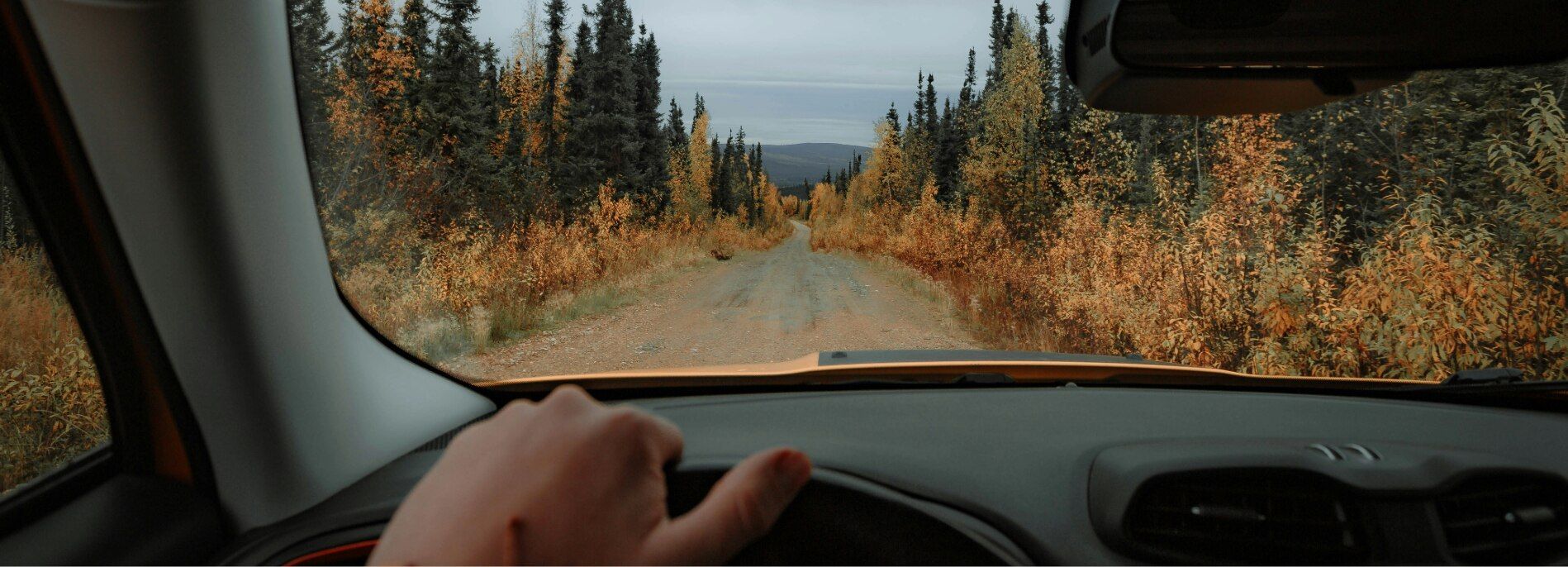
Low winter sun sits right at windscreen height and bounces off wet roads and the bonnet, straight into your eyes. Too dark a lens and you lose the road. Too light and the glare wins.
The right pair of driving sunglasses sits in between. This guide covers which lenses get the balance right, what UK law says and how to pick a tint for the way you drive.

Yes, you can drive with sunglasses on in the UK. There's no law against it. What matters is how much light the lens lets through and whether you can still see clearly.
Three rules in the Highway Code cover it:
Sunglasses are also sorted into five categories under the standard BS EN ISO 12312-1. Category 4 lenses are marked as not suitable for driving.
| Lens category | Light let through | Made for | OK for driving? |
|---|---|---|---|
| 0 | 80–100% | Clear or very light tint | Yes, day and night |
| 1 | 43–80% | Overcast, low-light days | Daytime only |
| 2 | 18–43% | Medium sunlight | Yes, daytime |
| 3 | 8–18% | Bright sunlight | Yes, daytime |
| 4 | 3–8% | Snow, glaciers, extreme sun | No |
For most UK daytime driving, category 2 or 3 is the sweet spot. The lenses are dark enough to cut glare, but light enough to keep your visibility. Not sure which category a pair is? Check the arm or the label, or see our guide to sunglasses categories and UV protection.
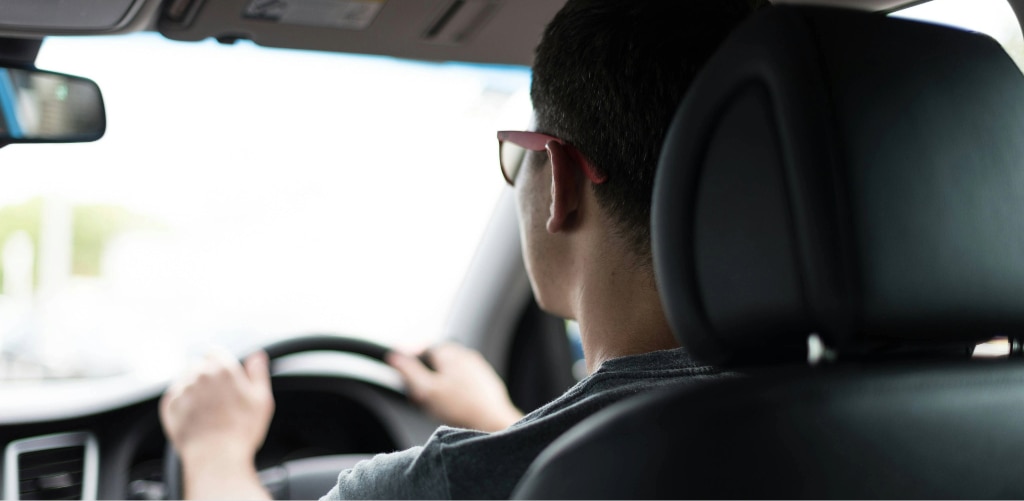
Glare cuts contrast, which makes hazards harder to spot. Pedestrians, cyclists, brake lights and road signs all fade into the brightness.
It's at its worst in autumn and winter. The sun sits low enough to shine straight through the windscreen at eye level, narrowing your vision. Wet roads, other windscreens and mirrors bounce even more light back at you — on cloudy days too.
A quick fix: keep the inside of your windscreen clean. Smears and dust scatter light and worsen glare.
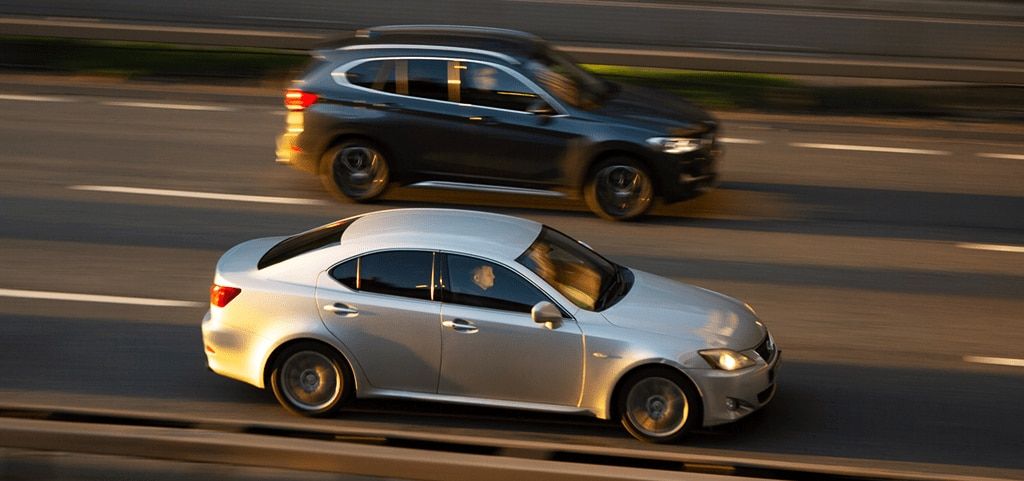
Road Safety Week 2026 runs from 15th to 21st November. Led by road safety charity Brake, this year's theme is Safe People on the Move. It aims to raise awareness of what everyone who drives, walks, wheels or rides can do to make roads safer.
The week starts on the World Day of Remembrance for Road Traffic Victims. According to the Department for Transport, 1,538 people were killed on roads in Great Britain in 2025. Seeing clearly behind the wheel is one simple thing every driver can control.
Driving sunglasses do more than look good. The right pair keeps your eyes comfortable and focused on the road.

All Glasses Direct sunglasses block 100% of UVA and UVB rays, helping prevent long-term sun damage.

Polarised and anti-glare lenses cut the reflections that bounce off wet roads, mirrors and other cars.

Brown, copper and green tints make brake lights, traffic signals and hazards easier to identify.

No more squinting into the sun, so you stay alert on longer journeys.
The best sunglasses for driving depend on when you drive and what kind of glare you deal with most. Here's how the main lens options compare.
| Lens | Best for | Night driving? |
|---|---|---|
| Polarised | Bright sun, wet roads, motorway glare | No |
| Transitions® Drivewear® | Changing light and long daytime drives | No |
| Transitions® XTRActive® | Light-sensitive eyes, in and out of the car all day | No |
| Anti-reflective coating (clear) | Headlights and streetlights after dark | Yes |
| Gradient tint | Everyday driving on a budget | No |
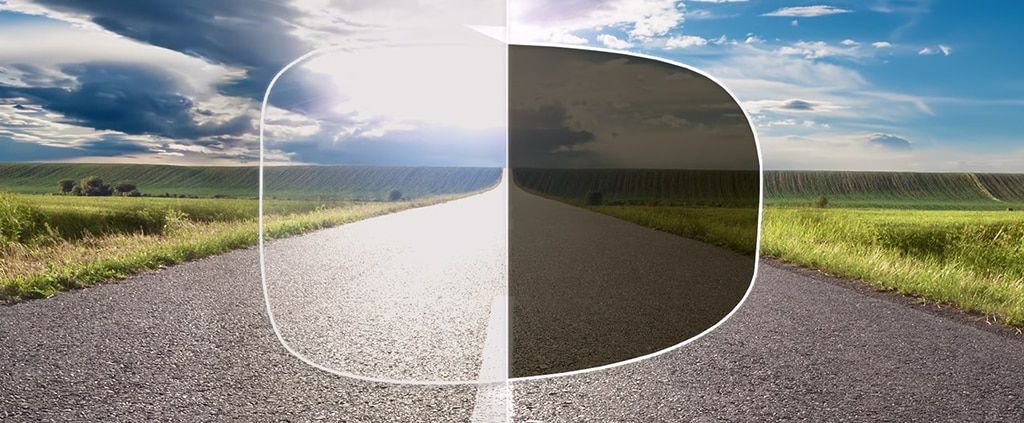
Polarised lenses filter out the flat, horizontal glare that reflects off wet roads, water, snow and the bonnet. They block 99.7% of glare and give 100% UV protection, with sharper colour and contrast. For bright daytime driving, they're hard to beat.
One thing to know: polarised lenses can make some screens look dark or patchy. That includes sat-navs, phones and some dashboard displays.
Transitions® Drivewear® lenses combine polarisation with a photochromic tint that reacts to light — including behind the windscreen. They suit drivers who cover long distances by day or face fast-changing light. The tint shifts through three shades:
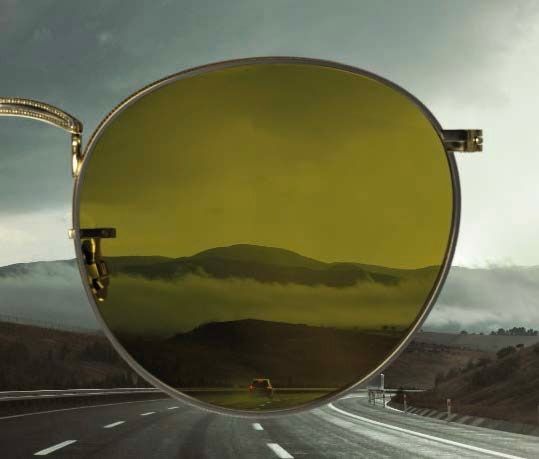
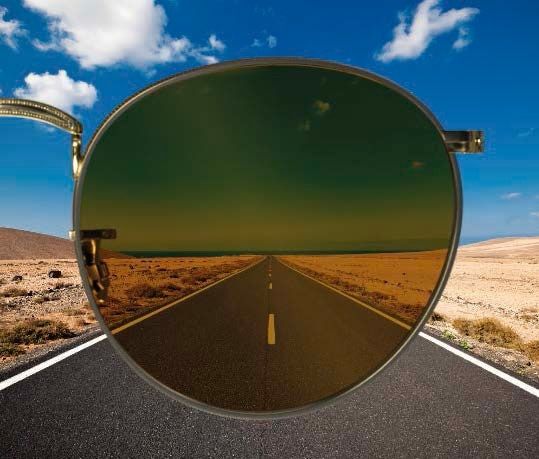
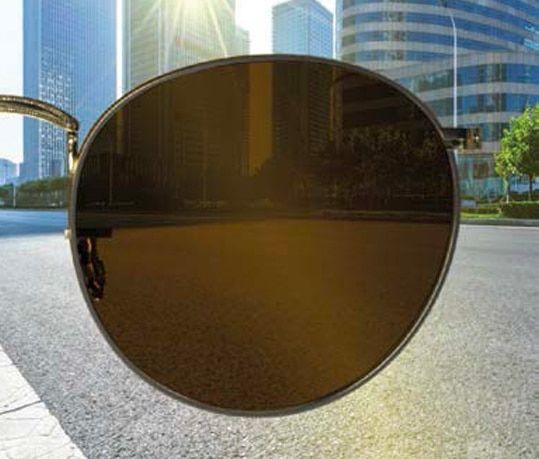
Drivewear® lenses never go fully clear, so they're not for night driving. Keep a clear pair with an anti-reflective coating for after dark.

Transitions® XTRActive® lenses suit anyone sensitive to light. They go extra dark in bright sun, darken partly behind the windscreen and keep only a light tint indoors. Explore all light-adaptive lenses.
Want the fastest reaction speed instead of maximum darkness? Transitions™ Gen S™ is our quickest-reacting photochromic lens. It reacts to UV light, which most windscreens block, so it won't darken much in the car. Choose it for everyday speed outdoors rather than driving.
If you wear prescription glasses, add an anti-reflective coating with one of our lens packages. It lets more light through the lens and cuts reflections from headlights and streetlights. Because the lens stays clear, it's the right choice for early mornings and night driving.
The KODAK Easy2 Max Progressive Lens gives clear vision at every distance: the road ahead, the dashboard and the rear-view mirror. Add polarisation or a tint for daytime driving. New to multifocals? Read varifocal lenses explained.
Gradient lenses are darker at the top (to block sunlight) and lighter at the bottom (for clear visibility inside the car). They make a stylish, practical choice for everyday driving.
Sunglasses are not safe for night driving. Any tint cuts the light reaching your eyes, and Rule 94 of the Highway Code advises against tinted lenses after dark.
The practical answer is two pairs, or one pair and a smart lens choice:
Skip yellow-tinted "night driving glasses". They can make things look brighter, but they still reduce the light your eyes get. If night driving feels harder than it used to, book an eye test — your optician can check what is causing it.
Brown, grey and green are the best lens colours for driving. Each one works a little differently:


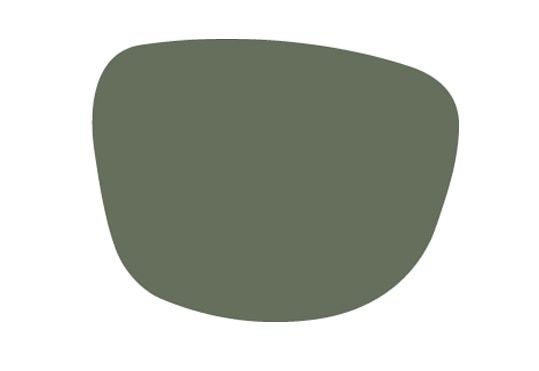
Pick the tint for the glare you drive into most — bright motorway sun calls for something different from an overcast school run. See all sunglasses lens colours.
The best driving sunglasses fit comfortably, cover your eyes well and keep your side vision clear. Whatever the style, look for:
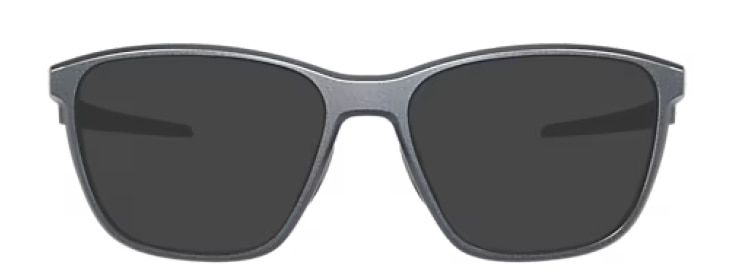
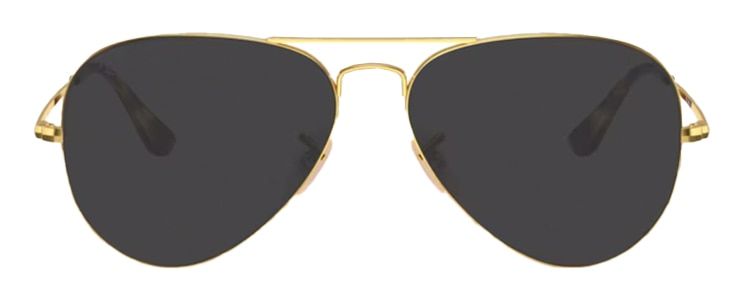
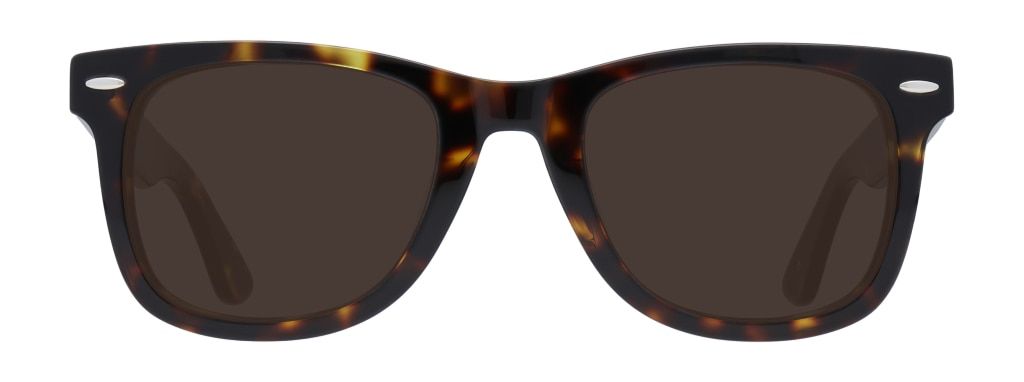
Frame shapes aren't gendered, so browse whatever catches your eye. These are good places to start:
Need prescription sunglasses? Every order is checked by our opticians. Browse our prescription sunglasses to find a pair for the road.
Headlight glare after dark more of a problem than the sun? See our guide to the best glasses for night driving.
Yes. It's legal to drive with sunglasses on in the UK, as long as you can still see clearly. Category 2 or 3 lenses suit most daytime driving. Category 4 lenses aren't suitable for driving at all.
The Highway Code says you must be able to read a number plate from 20 metres in good daylight, with glasses if you need them. It also advises against tinted lenses at night or in poor visibility.
For daytime driving, yes. Polarised lenses block 99.7% of glare from wet roads, water and other cars. The trade-off is that some screens, like sat-navs, can look dark through them.
No sunglasses are safe for night driving. Use polarised or Transitions® Drivewear® lenses by day, then switch to clear lenses with an anti-reflective coating after dark.
Brown, grey and green all work well. Brown boosts contrast, grey keeps colours natural and green balances both in changing light.
Most standard photochromic lenses react to UV light, which windscreens block, so they barely darken in the car. Transitions® XTRActive® and Drivewear® lenses are designed to darken behind the windscreen.
Yes. You can add your prescription to driving sunglasses, including varifocals like the KODAK Easy2 Max Progressive Lens. If you need glasses to drive, your sunglasses must have your prescription too.