





What are the best sports sunglasses for women?
23 October 2026


In a nutshell: The best sports sunglasses for women combine a close-fitting, curved frame, lenses that block 100% of UVA and UVB rays (look for UV400), and a lightweight fit that stays put when you move. Adjustable nose pads and grippy temple tips stop slipping. Choose polarised lenses for glare and photochromic lenses for changing light.
In the United Kingdom, sunglasses aren't just for summer. Low autumn sun, bright winter days and ski trips can be harder on your eyes than a July afternoon. The World Health Organization estimates that around 1 in 10 cases of cataract-related blindness may be linked to UV exposure, so protection matters all year.
Whatever your sport, check for a CE or UKCA mark and the British Standard BS EN ISO 12312-1, which the College of Optometrists advises shoppers to look for. Our guide to sunglasses categories and UV protection explains the lens categories and why UV protection is important.
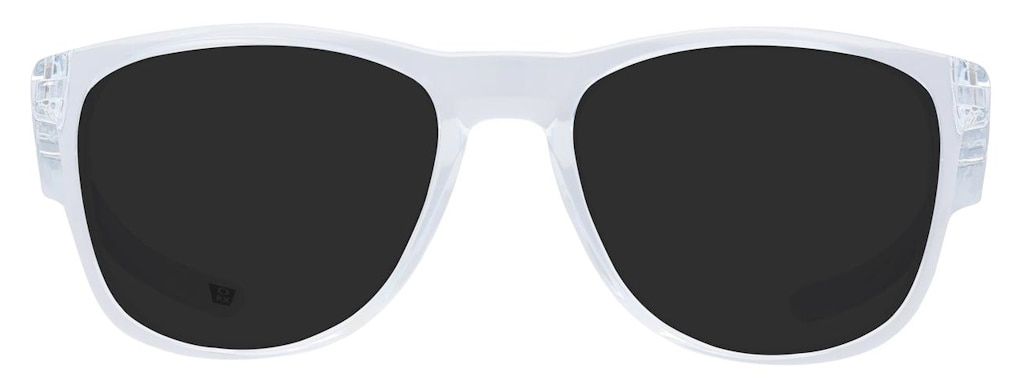
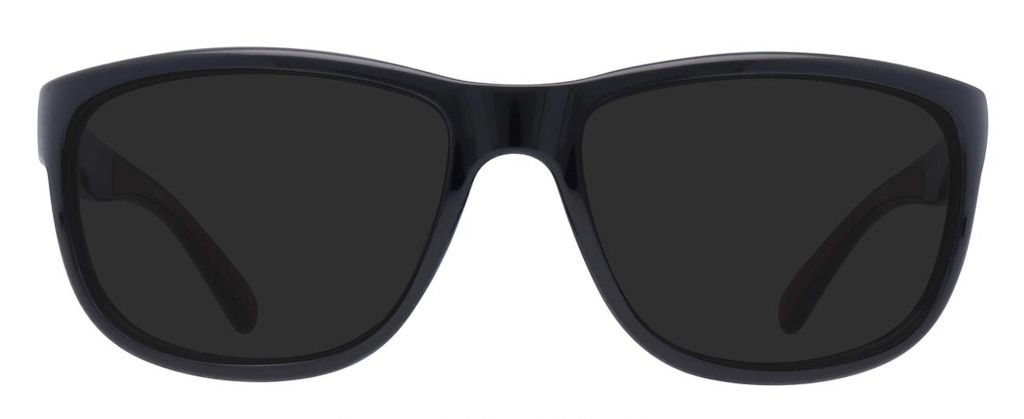
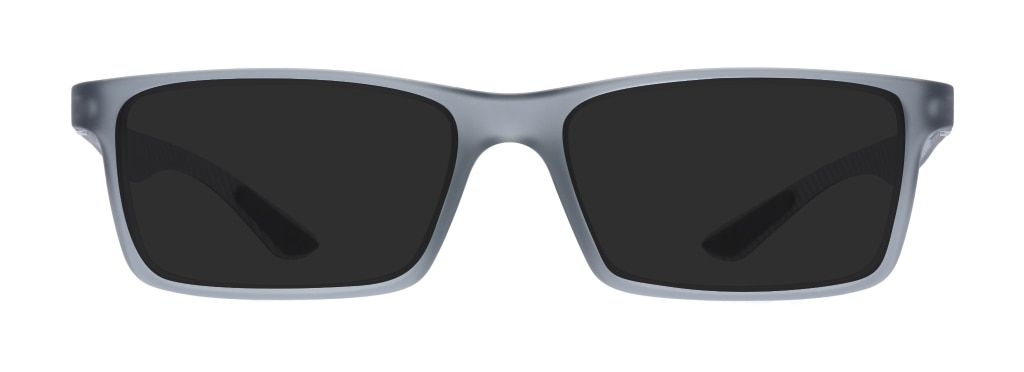
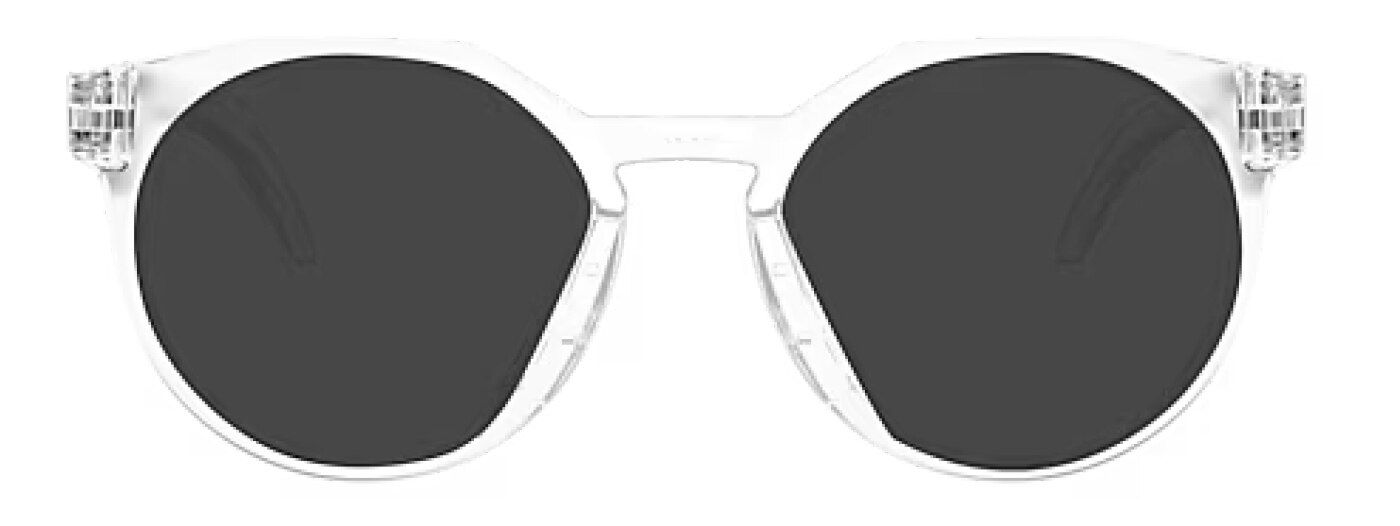
Fit matters as much as lenses. Many sports frames are designed around larger faces, so if yours is narrower, look for smaller sizes, adjustable nose pads and frames that sit close without touching your lashes. At Glasses Direct, you'll find best-selling sports sunglasses from brands like Oakley®, many available with your prescription.


Running sunglasses have three jobs: stay put, stay light and keep sweat and glare out of your eyes. A pair of women's running shades that bounces or slides down your nose soon ends up in your pocket.
Look for women's running sunglasses with:
Fit tip: if the frame rests on your cheeks, it will fog and slip when you smile. Women's running styles in smaller sizes usually fix this.

Snow is tough on the eyes. Fresh snow reflects up to 80% of UV radiation, and UV levels rise by 10–12% with every 1,000 metres of altitude, according to the World Health Organization. Goggles are still best for skiing in wind or falling snow, but on clear spring days, lunch on the terrace or après-ski, sunglasses do the job.
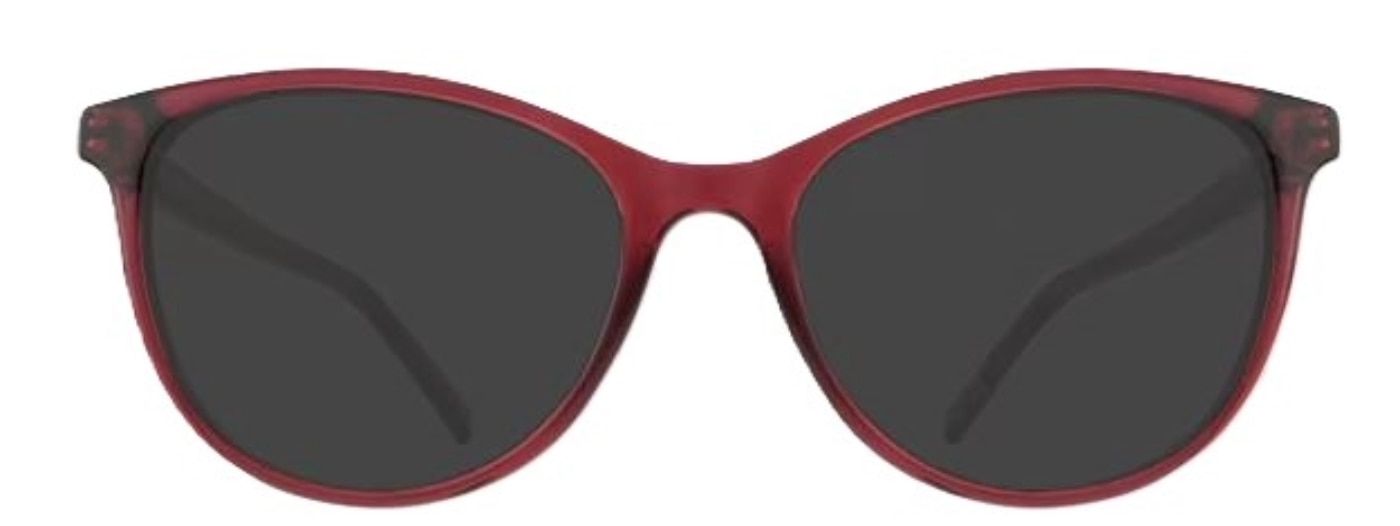
Off the slopes, a bold aviator or matte black cat-eye takes you from chairlift to chalet.

At 25 km/h, wind, grit and the odd insect make clear vision a safety issue. The right pair keeps your eyes from watering on fast descents and gives you a clear view of the road.
Key features to look for:
Tip: Polarised lenses can make some bike computer and phone screens hard to read Check yours before a long ride.

Outdoor tennis means tracking a fast ball against a bright sky and a pale court. Look for:
Brown or amber tints boost contrast, which makes a yellow ball easier to pick out against a blue sky. Grey lenses suit you better if you play into the evening or under shifting cloud.
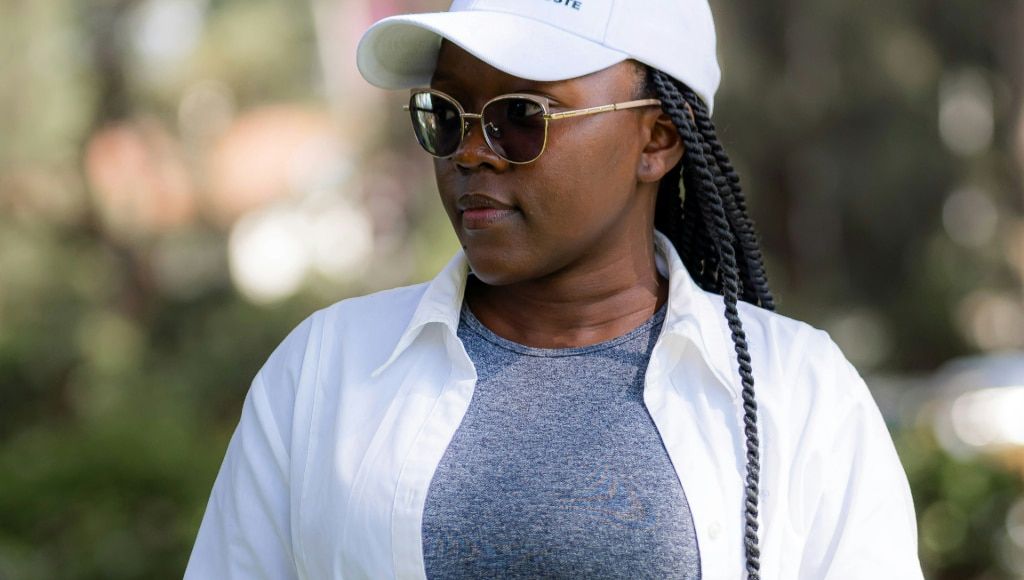
Sports sunglasses aren't just for training any more. A sporty matte black frame as good with leggings and a hoodie at brunch as it does on a 10k.
Sporty styles from New Balance and Polaroid blend everyday style with real performance. One pair can cover the workout and the walk home.
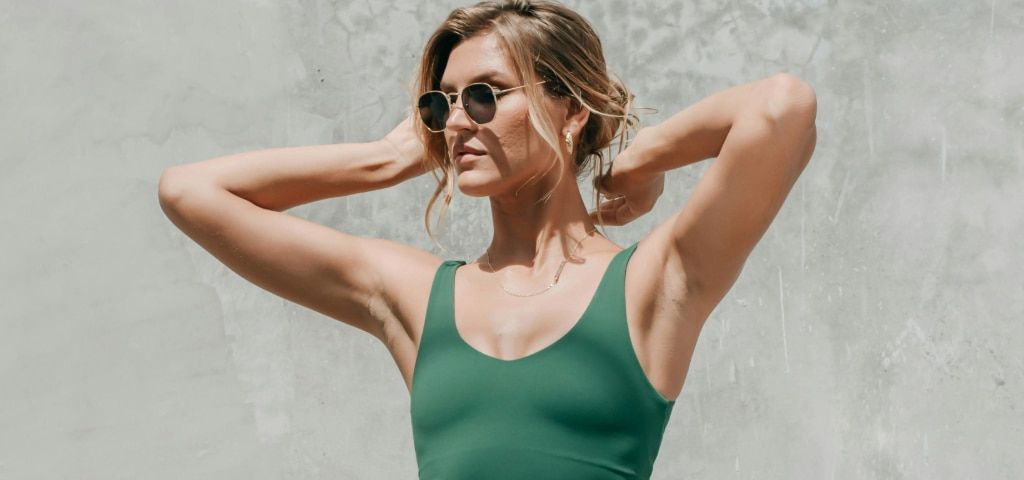
Yes, for most outdoor sports. Polarised lens sunglasses block the horizontal glare that bounces off water, wet roads and snow, which sharpens contrast and reduces eye strain on long rides and runs.
There are two trade-offs to know. Polarisation can make icy patches harder to spot on the slopes, and it can darken some LCD screens. If you ride with a bike computer or ski on hard-packed pistes, a non-polarised lens may suit you better. Every polarised lens at Glasses Direct also comes with full UV protection.
The right lens colour depends on the light you play in. Here's how the main options compare:
| Lens | Best for | What it does |
|---|---|---|
| Grey | Cycling, skiing, water sports in bright sun | Cuts brightness without changing colours |
| Brown or amber | Tennis, trail running, golf | Boosts contrast and depth perception |
| Green | Running or cycling through woodland | Balances contrast and brightness in mixed light |
| Photochromic | Early starts, changing weather | Darkens in sun and lightens in shade |
Modern lens technology means you can combine any of these tints with polarisation, UV protection and anti-fog coatings.
Start with your sport, then check the frame, lens and fit:
| Sport | Frame | Lens | Must-have |
|---|---|---|---|
| Running | Lightweight, close-fitting | Grey or green | Rubber nose pads and temple tips |
| Cycling | Shield or wraparound | Photochromic | Helmet-friendly temples |
| Skiing | Large coverage | Category 3 (Category 4 for glaciers; not for driving) | Side coverage |
| Tennis | Lightweight, secure | Brown or amber | Secure temple grips |
| Everyday | Matte black or cat-eye | Polarised grey | UV400 protection |
Browse women's sunglasses online. Need your prescription? Many of our sports frames can take prescription lenses.
Prioritise fit first: adjustable nose pads, rubber temple tips and a frame size that suits your face. Then check for UV400 lenses and a CE or UKCA mark, and add polarised or photochromic lenses to suit your sport.
Mostly in size. Female sports sunglasses and smaller-fit styles have narrower frames and shorter temples, so they sit closer to the face and slip less. If unisex frames feel loose or rest on your cheeks, try a smaller size.
Good ones do. Look for UV400, which blocks 100% of harmful UV rays, including UVA and UVB, and the BS EN ISO 12312-1 standard. Protection matters most in high-UV settings such as snow, water and altitude.
For most sports, yes. The Association of Optometrists recommends frames that sit close to the eye and wrap around, because they block more light. Larger lenses are a good alternative if you prefer a less sporty look.
No. Category 4 lenses are too dark for driving and road use. Keep them for glaciers, high mountains and very bright snow, and switch to Category 2 or 3 for the drive.
Yes. Many sports glasses and wraparound frames can take prescription lenses, but very curved frames have limits on stronger prescriptions. Our team can help you find a frame that works for yours.
Yes. Sporty frames in matte black or subtle cat-eye shapes work for errands and travel too, and your eyes need UV protection in every season, not just summer.