







4 ways menopause can affect your eyesight
16 October 2025

TL;DR: Menopause and eyesight are more connected than most people realise. Falling oestrogen, progesterone and androgen levels can trigger dry eyes, blurry vision, light sensitivity and a higher long-term risk of cataracts and glaucoma. Regular eye tests, a few simple habits and the right glasses can help you stay comfortable and see clearly at every stage.
Hot flushes, mood swings and sleep troubles get plenty of airtime when it comes to menopause. What’s talked about less is how it can affect your eyes, too.
Most women don’t make the connection at all. Research from Eye Health UK, working with the Thomas Pocklington Trust, found that 86% of women had no idea menopause could be linked to eye conditions like dry eye syndrome, glaucoma and cataracts.
This World Menopause Day, we’re breaking down the most common menopause eye symptoms and sharing simple, practical ways to protect your vision.
During perimenopause and menopause, your levels of oestrogen, progesterone and androgen naturally decline — and these hormones do more than regulate your reproductive system. They also help keep your eyes healthy, supporting the cornea and the oil glands that protect your eye’s surface.
As a result, you might notice some uncomfortable changes: dryness, sensitivity, and even slight shifts in the shape of your eye. These changes can affect how contact lenses fit and feel, and some women also experience mild blurred vision — usually easy to correct with an updated prescription.
Regular eye tests are your best defence. They catch changes early, so your vision stays sharp and comfortable. If you wear contact lenses, switching to glasses more often during this time can also help your eyes recover.
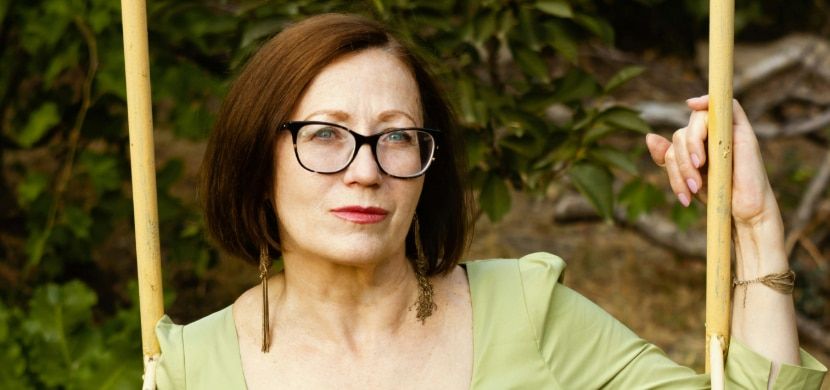


Menopause and dry eye syndrome are closely linked, with hormonal changes often the root cause. According to a Society for Women’s Health Research survey, almost two-thirds (61%) of menopausal women suffer from dry eyes. Many describe their eyes as scratchy, sore or tired as a result.
Falling androgen and oestrogen levels affect every layer of your tear film. This means less tear production, lower tear quality, and rapidly evaporating tears. With less natural lubrication, eyes can feel dry and irritated.
Ways to ease dry eyes:
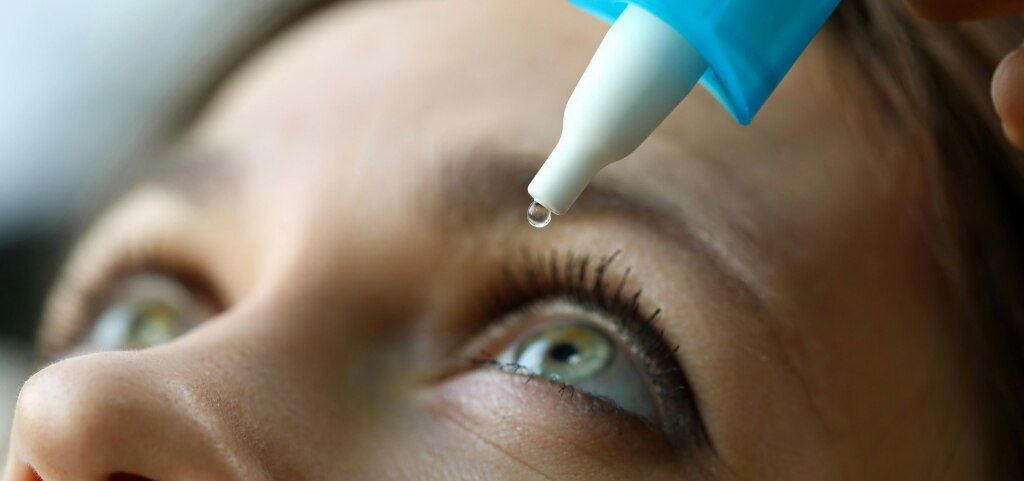

Hormonal changes can temporarily affect your prescription, which is why so many women search for “menopause vision changes” or wonder whether blurry vision during menopause is normal. You might find your reading glasses feel less effective, or notice your vision shifting slightly. It’s usually short-term, but that doesn’t make it any less frustrating.
How to deal with vision changes:
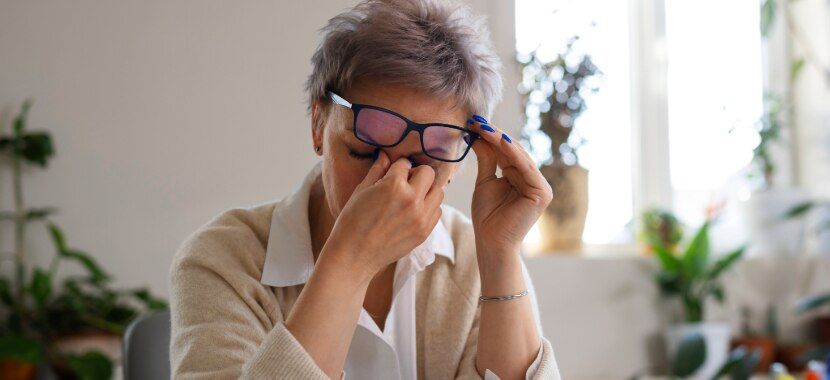

Many women notice they’re more sensitive to light during perimenopause and menopause. Bright sunshine, computer screens or headlights at night can suddenly feel much harsher.
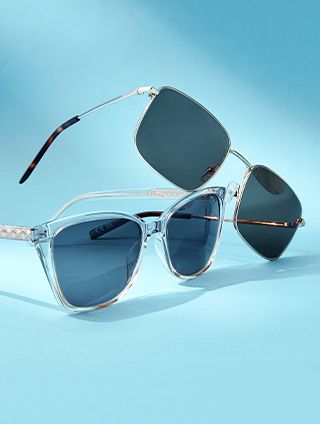
The best eyewear for light-sensitive eyes:

Menopause isn’t just about short-term symptoms. Over time, reduced hormone protection can raise the risk of age-related eye conditions, such as cataracts, glaucoma and macular degeneration. In rare cases, untreated conditions can affect the optic nerve and lead to vision loss.
It’s worth remembering that eyes naturally change with age, so it’s not always easy to separate the effects of menopause from general ageing.
Stay ahead:

Menopause and eyesight go hand in hand more often than people expect. From dry, irritated eyes and blurred vision to light sensitivity and a higher risk of long-term conditions, hormonal changes can affect how you see the world. The good news: with regular eye tests, good nutrition and a few simple habits, you can keep your eyes comfortable and your vision clear.
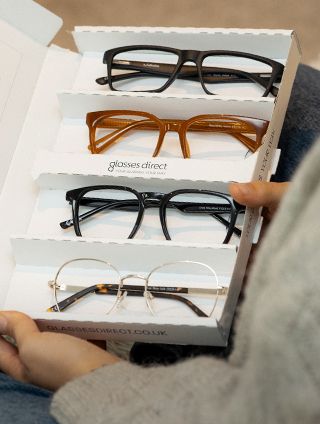
At Glasses Direct, we’re here to support you at every stage of life. Explore our range of reading glasses, varifocals and blue light glasses to find your next pair, backed by our free Home Trial so you can try before you buy.
Yes. Falling hormone levels during perimenopause and menopause can lead to temporary blurred vision, often linked to changes in the tear film or a shifting prescription. Regular eye tests help you stay on top of these changes.
Yes. Around 61% of menopausal women experience dry eye syndrome, which is caused by hormonal changes that reduce tear production and affect the oil glands that help protect the eye’s surface.
It can contribute to it. Reduced hormone protection over time is linked to a higher risk of age-related conditions like cataracts, glaucoma and macular degeneration, though normal ageing plays a role too.
Every two years is standard, but book sooner if you notice new symptoms like blurry vision, dryness or light sensitivity.
Yes. Anti-reflective lenses reduce glare from screens and headlights, while UV-protective sunglasses help outdoors.