






In a nutshell: If light causes you discomfort, look for sunglasses with UV400 protection and darker tints — grey, brown or amber are ideal. Polarised lenses help reduce glare and wraparound or oversized frames block peripheral light. Transitions® XTRActive® lenses are worth considering if you move between indoor and outdoor environments regularly. Light sensitivity can make everyday life uncomfortable. Bright sunlight, glare from wet roads, even harsh indoor lighting — it all adds up. The good news is that the right sunglasses for light-sensitive eyes can make a real difference.
Whether you’re dealing with photophobia, recovering from eye surgery or just find your eyes tire quickly in bright conditions, this guide covers everything you need to know.

Why do some people have light-sensitive eyes?
Light sensitivity — sometimes called photophobia — is when the eyes react with discomfort or pain to light. It’s not a condition, but a symptom that can be linked to migraines, dry eyes, eye allergies, certain medications, or conditions like glaucoma, cataracts and conjunctivitis.
It’s more common than people think and the right eyewear — whether that’s sunglasses for photophobia or specialist tinted lenses — can go a long way towards managing it day to day.
How do sunglasses help with light sensitivity?
Bright environments can trigger squinting, watery eyes, headaches and even nausea in those with light sensitivity. Sunglasses reduce the amount and intensity of light reaching the eyes, cutting down on glare and UV exposure at the same time.
For those dealing with sunlight sensitivity specifically, sunglasses for sunlight sensitivity with darker tints and full coverage offer the most complete protection outdoors. A wide-brimmed hat worn alongside sunglasses is also an easy way to add extra coverage on particularly bright days.

Other ways to ease symptoms
A few simple habits can also help:
- Reduce artificial lighting indoors, especially harsh fluorescent lights
- Take regular breaks from screens to rest the eyes
- See an optician or optometrist if sensitivity is persistent — they can give personalised advice on lenses and management

What are the best sunglasses for light sensitivity?
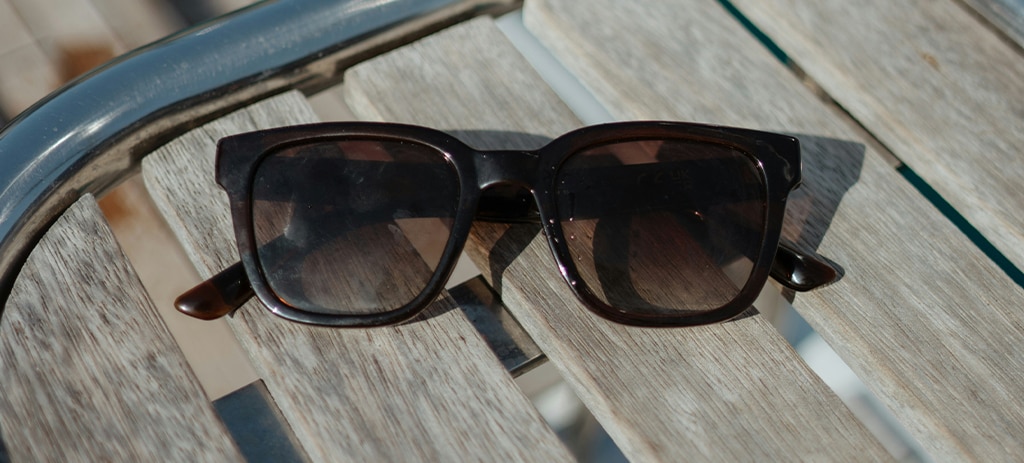
1. UV protection
UV-blocking sunglasses are essential if your eyes are sensitive to light. Prolonged UV exposure can irritate already sensitive eyes and increase the risk of conditions like macular degeneration and cataracts.
Look for a UV400 rating — this means the lenses block light wavelengths up to 400 nanometres, covering both UVA and UVB rays. All sunglasses at Glasses Direct carry 100% UVA and UVB protection as standard.

2. Polarised lenses
If squinting is a constant problem, polarised sunglasses for sensitive eyes are well worth considering. They block horizontal glare from reflective surfaces — water, wet roads, glass and snow — which can be particularly harsh for sensitive eyes.
Benefits include:
- Reduced eye strain
- Improved visual clarity
- More comfortable vision in bright, high-glare environments
- Ideal for driving, outdoor sports and sunny days
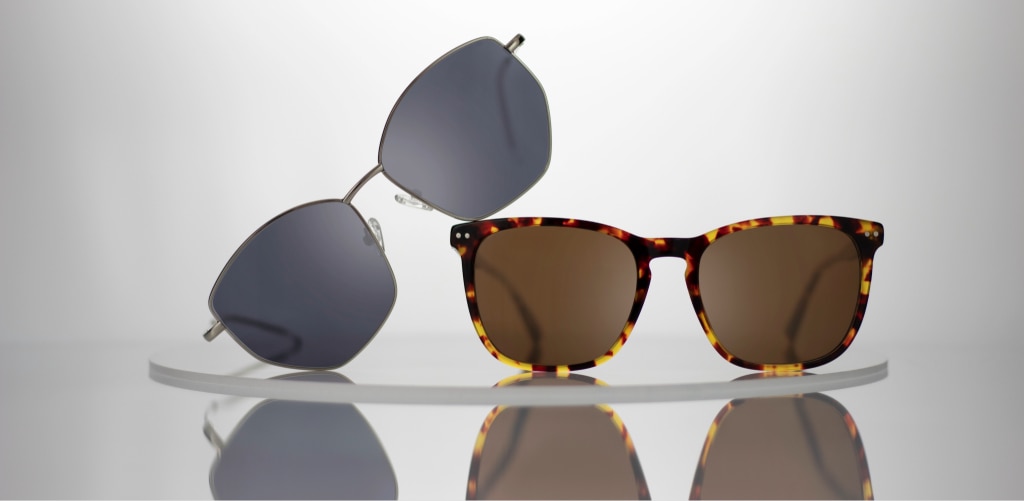
3. Tinted glasses for light sensitivity
Darker lenses reduce the amount of visible light reaching the eyes, which helps ease discomfort in bright conditions. When it comes to tinted glasses for light sensitivity, the most effective options are:
- Grey — a popular everyday choice; reduces brightness without affecting colour perception
- Brown and amber — enhance contrast and depth; great for driving, golf and hiking
- Green — good contrast and colour accuracy, particularly in changing light
That said, the right sun tint also depends on lifestyle. Think about where and how most time is spent outdoors — and whether indoor environments are also a trigger.

4. Sunglasses for indoor light sensitivity
For those who find discomfort isn’t limited to bright sunshine, sunglasses for indoor light sensitivity are a practical solution. Transitions® XTRActive® lenses adapt automatically — going clear indoors and darkening outside, even behind a car windscreen.
They also filter blue light from digital screens and artificial lighting, making them especially useful for anyone who experiences discomfort in both natural and indoor environments. If fluorescent office lighting or screen glare is a regular problem, these are one of the most effective options available.

5. Wraparound and oversized frames
Standard sunglasses can let light in from the sides, which undermines the protection they offer. Wraparound, sports and oversized styles block this peripheral light, giving the eyes more complete coverage.
Oakley® and the Harrington Sport range both offer dynamic designs built for active wear. For a more fashion-led approach, large-framed sunglasses — whatever the shape — offer similar all-round protection. Either way, frame coverage is one of the most overlooked factors when choosing the best sunglasses for light-sensitive eyes.
Recommended sunglasses for light-sensitive eyes
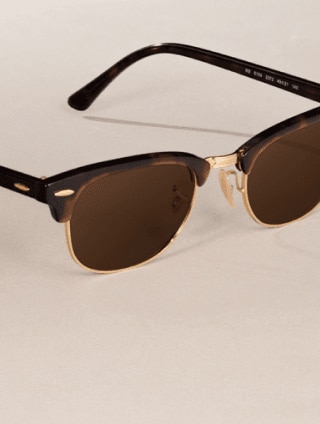
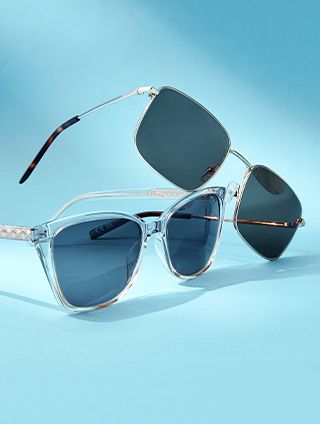
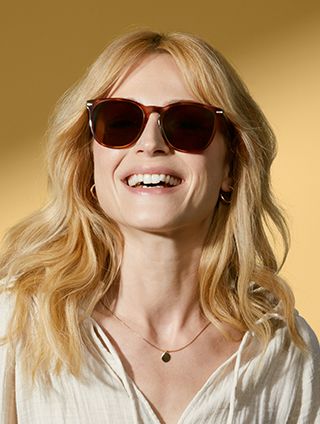
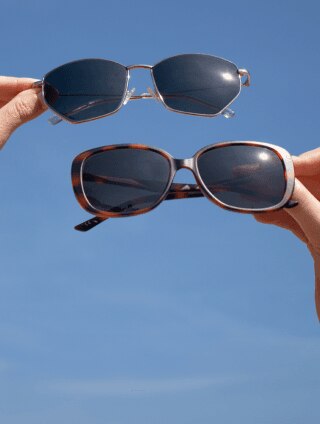
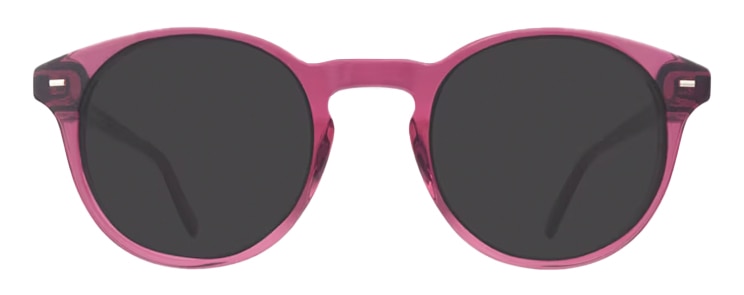
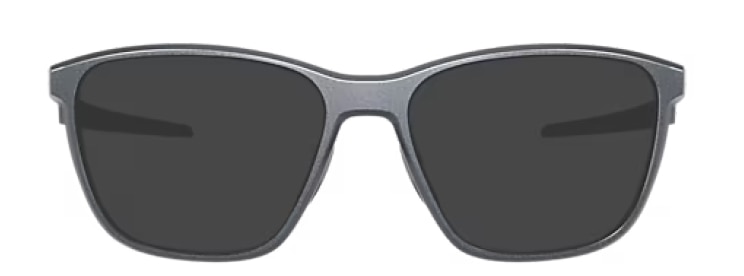
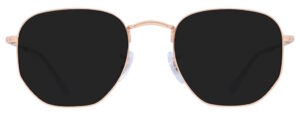
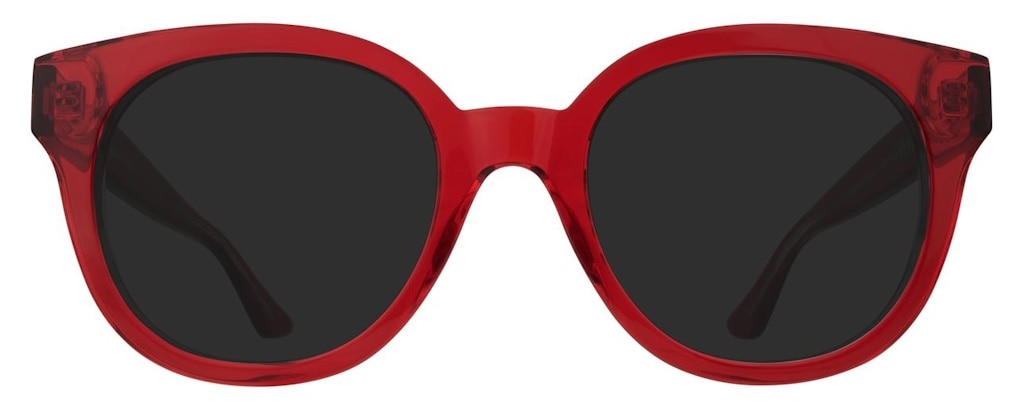
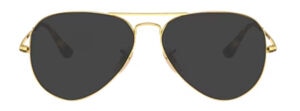
Finding the best sunglasses for light-sensitive eyes comes down to the right combination of lens technology, tint and frame coverage. Here’s a selection of styles worth considering, from minimal metals to bold, oversized frames:
FAQs: sunglasses for light-sensitive eyes
What are the best sunglasses for light-sensitive eyes?
The best sunglasses for light-sensitive eyes combine UV400 protection, a dark tint (grey, brown or amber), and polarised lenses to reduce glare. Wraparound or oversized frames add peripheral coverage for more complete protection.
What are the best tinted glasses for light sensitivity?
Grey lenses are the most versatile — they reduce brightness without distorting colour. Brown and amber lenses work well outdoors in variable light, particularly for driving or sport. For indoor triggers, Transitions® XTRActive® lenses adjust automatically between environments.
Are polarised sunglasses better for sensitive eyes?
In many cases, yes. Polarised sunglasses for sensitive eyes eliminate horizontal glare from reflective surfaces, which is a common trigger for squinting and eye strain. They’re particularly effective near water, on wet roads and in snowy conditions.
Can sunglasses help with photophobia?
Sunglasses for photophobia won’t treat the underlying cause, but they can significantly reduce the intensity of light reaching the eyes, easing discomfort day to day. Darker tints and wraparound frames tend to offer the most relief.
What should I look for in sunglasses for sunlight sensitivity?
Look for UV400-rated lenses, a dark tint, and a frame style with good coverage — wraparound or oversized shapes work best. Polarised lenses are an added benefit for particularly bright or reflective environments.
Are there sunglasses for indoor light sensitivity?
Yes. Transitions® XTRActive® lenses are one of the most practical solutions for indoor light sensitivity, as they adapt to different light conditions and filter blue light from screens and artificial lighting. Some people also find lightly tinted lenses helpful indoors, though it’s worth speaking to an optician before wearing tinted lenses inside regularly.