









In short: If you’re weighing up polarised vs non-polarised lenses, it’s worth knowing that both offer UV protection. However, polarised lenses also reduce glare from reflective surfaces such as water, wet roads and car bonnets, helping to improve visual comfort and clarity. That’s why they’re often the preferred choice for driving, holidays and outdoor activities.


Polarised vs non-polarised lenses: what’s the difference?
When comparing polarised vs non-polarised lenses, the key difference is how they handle light.
- Polarised lenses use a special filter to reduce glare reflected from flat surfaces such as the water’s surface, snow and windshields
- Non-polarised lenses reduce overall brightness but do not block glare
Polarised lenses improve visual comfort in bright conditions, while non-polarised lenses mainly reduce light intensity.

How polarisation works (in simple terms)
Light travels in waves. When sunlight reflects off flat surfaces such as water, wet roads or car dashboards, those waves become concentrated in a horizontal direction, creating intense glare.
Polarised lenses contain a special filter that blocks this horizontal light before it reaches your eyes, helping reduce glare and improve visual comfort.
Polarised lenses:
- Block horizontal light waves
- Allow vertical light to pass through
- Reduce glare whilst also improving visual clarity
Non-polarised lenses:
- Do not filter light direction
- Reduce brightness but not glare
This is why glare reduction is the main advantage of polarisation.
Key benefits of polarised lenses

1. Glare reduction in bright sunlight
Polarised lenses are designed for intense glare situations.
For example, they’re especially useful around:
- Water sports and beaches
- Snow sports such as skiing or snowboarding
- Driving; specifically blocking glare off car bonnets and windshields
As a result, by reducing reflected light, they make it easier to see in bright light without squinting.

2. Improved visual clarity and comfort
With less glare, your eyes don’t need to work as hard. This leads to:
- Better visual clarity
- Reduced eye strain
- More relaxed vision in bright conditions
This anti-glare can make a noticeable difference to your visual comfort during long drives or extended time outdoors.

3. Better eye health support
Polarised sunglasses often include full UV protection, blocking harmful UVA and UVB rays.
This helps reduce the long-term risks associated with UV exposure, including:
While UV protection is not exclusive to polarisation, most quality polarised sunglasses combine both glare reduction and UV protection. This gives you greater visual comfort in bright conditions while helping protect your eyes from the sun’s harmful rays.
When non-polarised sunglasses may be better
However, polarised lenses are not always the best choice. For instance, there are a few situations where non-polarised sunglasses may be more practical.

1. Viewing LCD screens
Polarised lenses can make LCD screens harder to read.
This includes:
- Smartphones
- Car dashboards
- Some digital displays
As a result, the filter can cause screens to appear darker or distorted at certain angles.

2. Low-light conditions
Similarly, in low-light environments, polarised lenses may reduce visibility too much.
For example:
- Cloudy days
- Early morning or evening use
Therefore, in these cases, non-polarised lenses may provide a more balanced view.

3. Specific work or sport needs
Likewise, some activities rely on seeing glare or reflections.
For example:
- Pilots or machinery operators
- Certain indoor or mixed-light environments
As a result, non-polarised sunglasses may offer better functionality.
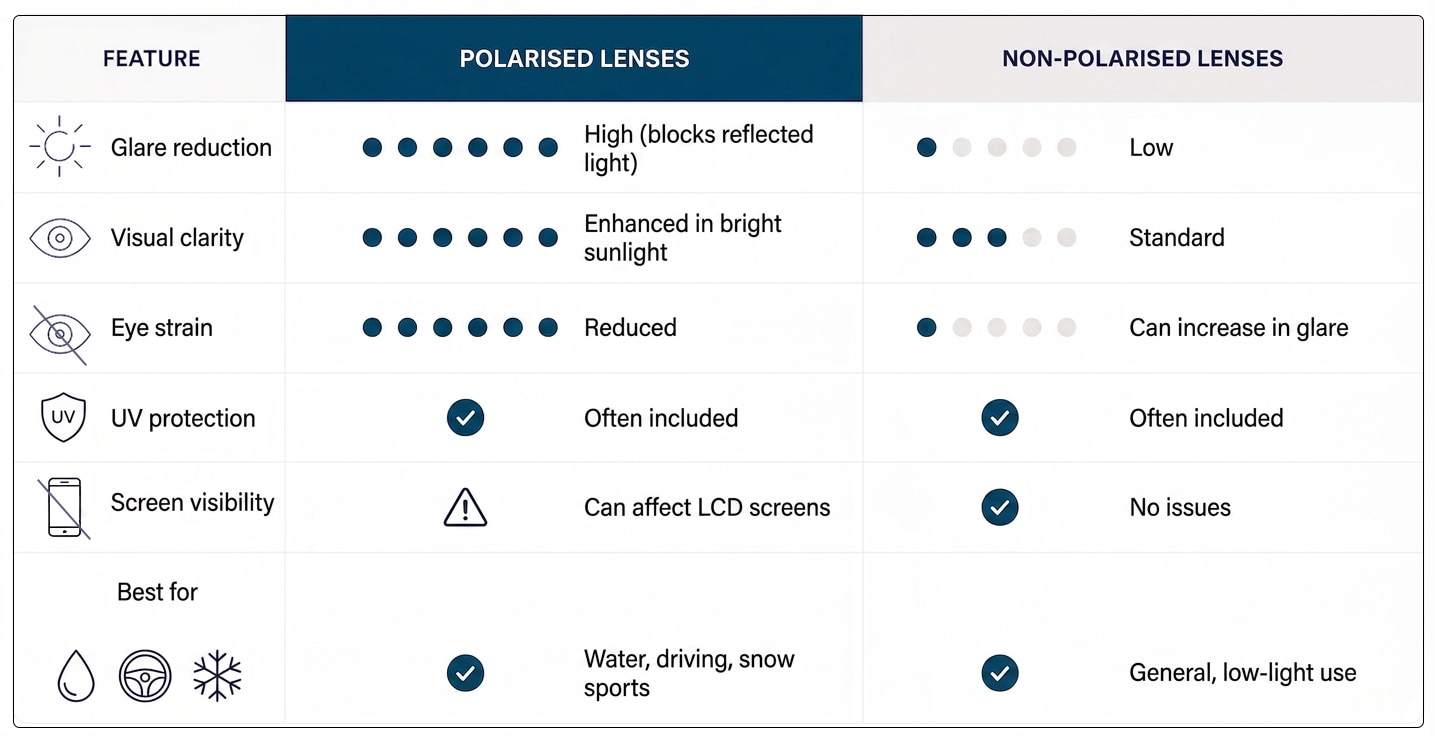
Polarised vs non-polarised: quick comparison
Shop polarised sunglasses
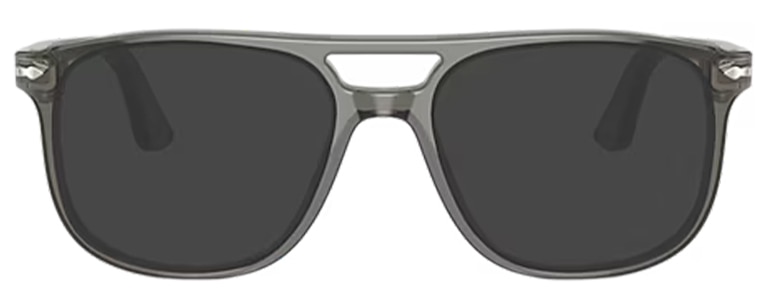
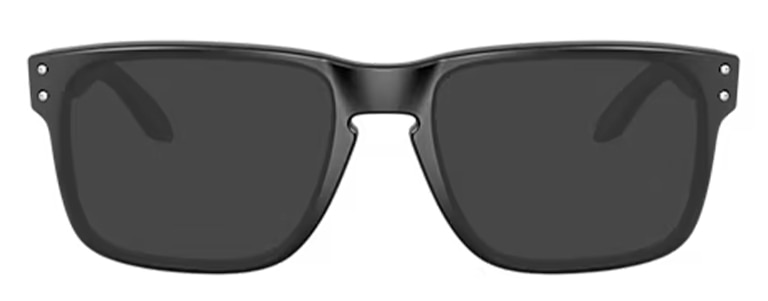
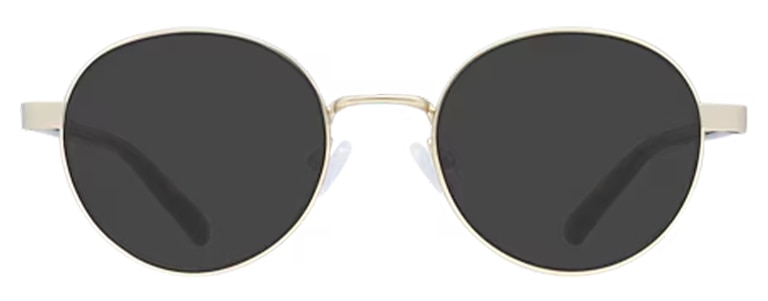
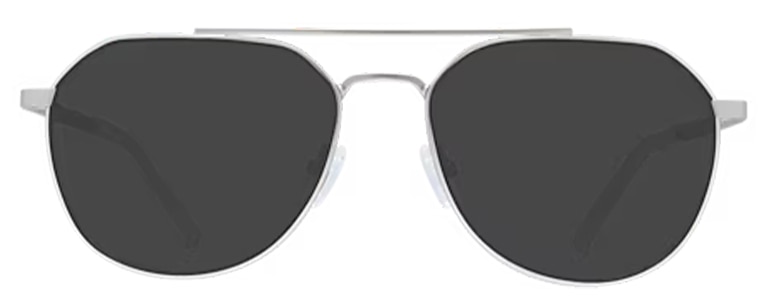
Designed to reduce glare from reflective surfaces like roads and water, polarised sunglasses are a strong choice for driving, holidays, and bright outdoor conditions.
Suggested products:
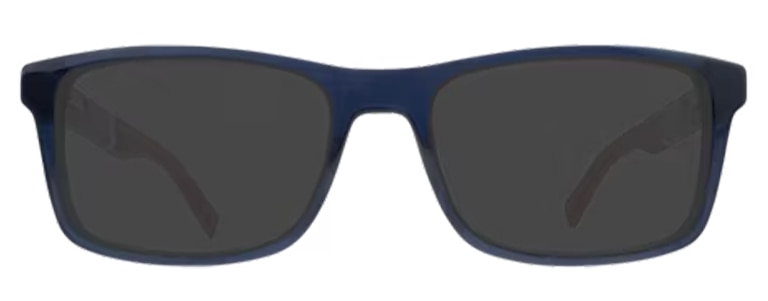
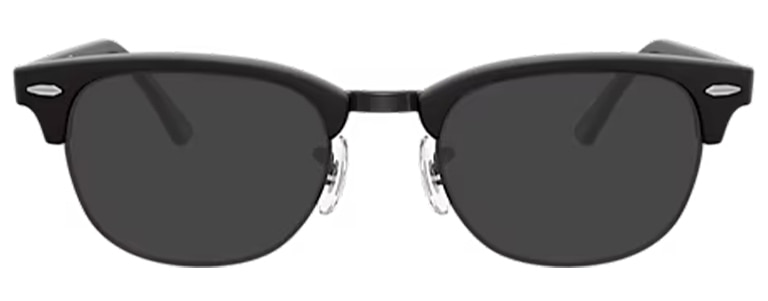
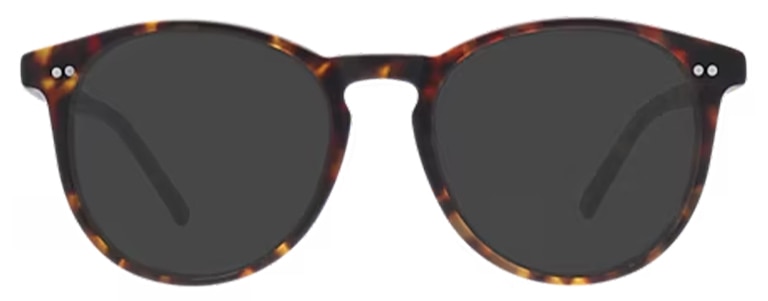
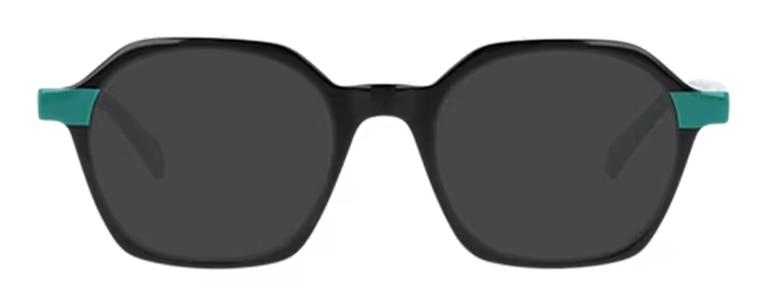
Shop non-polarised sunglasses
Non-polarised sunglasses provide UV protection while keeping screen visibility clearer, making them a practical everyday option for mixed lighting and regular device use.
Suggested products:

Which is best for summer?
Overall, for most people, polarised lenses are the best sunglasses choice for summer.
Polarised sunglasses are ideal if you:
- Spend time around water or flat surfaces
- Drive regularly in bright sunlight
- Experience squinting or eye strain outdoors
However, a pair of sunglasses with non-polarised lenses may suit you better if you frequently use screens or need consistent visibility in varied lighting.

How to choose the right pair
Ultimately, when choosing summer eyewear, focus on how and where you will wear them.
Choose polarised lenses If you:
- Want maximum glare reduction
- Spend time in bright light or near reflective surfaces
- Prioritise visual comfort and clarity
Choose non-polarised lenses If you:
- Use smartphones or LCD screens often
- Need consistent visibility in low light
- Prefer simpler, all-purpose sunglasses
They provide consistent visibility without the risk of distortion on screens.
Conclusion: Clearer vision in summer starts with the right sunglass lenses
Choosing between polarised vs non-polarised sunglasses comes down to your lifestyle.
If glare, bright conditions and outdoor activities are part of your routine, polarised lenses offer clear advantages in comfort and clarity. If you need flexibility with screens or lower light, on the other hand, then non-polarised lenses remain a practical option.
Explore a wide range of high-quality eyewear at Glasses Direct to find the right pair of sunglasses for your summer.
FAQs
Are polarised sunglasses better for driving?
Yes. Polarised sunglasses can make driving more comfortable by reducing glare from reflective surfaces such as roads, car bonnets and other vehicles. This can improve visual clarity and help reduce eye strain during daytime driving, particularly in bright conditions. However, because polarised lenses can affect the visibility of some digital displays, it’s worth checking that you can clearly see your vehicle’s dashboard and screens while wearing them.
Do polarised lenses block UV rays?
Yes, most polarised sunglasses also include full UV protection, helping to shield your eyes from both UVA and UVB rays. However, polarisation and UV protection are separate features, so it’s always worth checking the product details to confirm the level of UV protection provided.
Why do screens look strange with polarised lenses?
Polarised lenses contain a special filter that blocks certain light waves to reduce glare. Because many LCD screens also use polarising filters, the two can interact, causing the screen to appear darker, distorted or show rainbow-like patterns when viewed at certain angles.
Are non-polarised sunglasses bad?
No. Non-polarised sunglasses still provide UV protection, helping to shield your eyes from harmful UV rays. The main difference is that they don’t reduce glare from reflective surfaces in the same way polarised lenses do. Non-polarised sunglasses can be a good choice for viewing LCD screens, in lower-light conditions and for certain sports or professions where seeing reflective surfaces is important.
Do I need polarised lenses for everyday use?
Not necessarily. However, if you spend a lot of time outdoors in bright sunlight, polarised lenses can make everyday activities more comfortable by reducing glare and improving visual clarity. They’re particularly useful for driving, walking near water or spending time in highly reflective environments. For general day-to-day wear, the choice comes down to your lifestyle and personal preference.