







Best glasses for every nose shape
18 June 2026

In short: Finding glasses that fit comfortably starts with understanding your nose shape. Features such as bridge design, frame size and frame material all play an important role in how your glasses sit, helping improve comfort, balance your facial features and prevent slipping throughout the day.
In this guide, we explain how to choose the best glasses for your nose shape, with practical frame recommendations for big noses, small noses, low bridges and wider nose shapes.

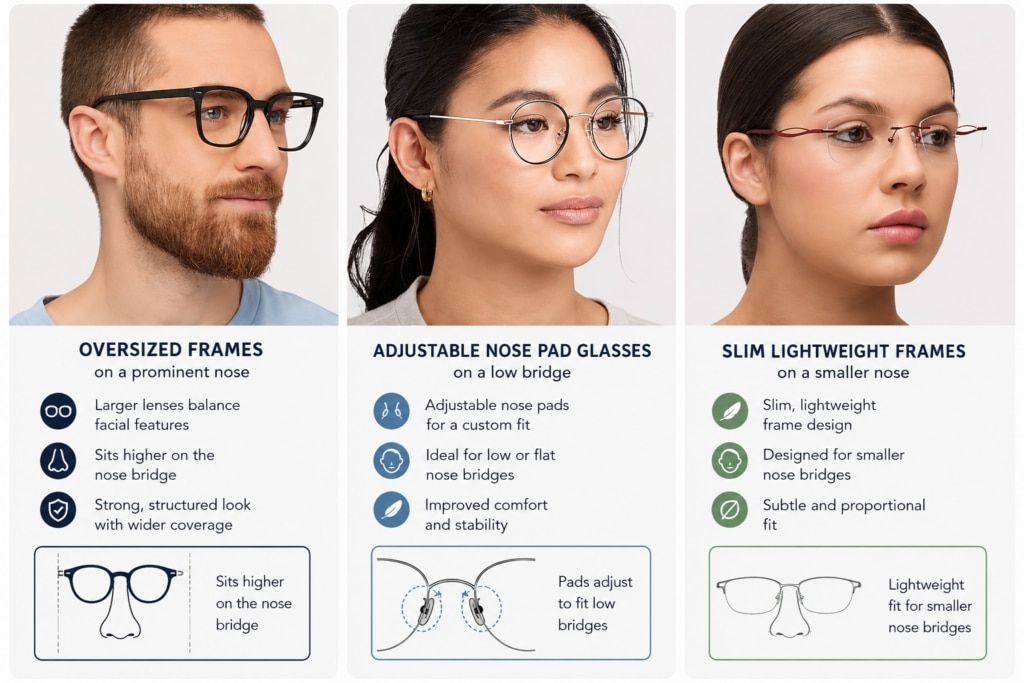
Good frame fit depends on:
Many people focus only on face shape, but nose shape can make just as much difference to overall comfort and styling.
Your nose supports most of your glasses’ weight. A well-fitted bridge helps:
When choosing glasses for nose shape, focus on bridge fit first, as a comfortable bridge helps frames sit evenly and keeps weight balanced across your face. The bridge of your glasses affects both comfort and appearance, so if it’s too narrow, glasses can pinch, while a bridge that is too wide may cause frames to slide down your nose. Even stylish frames can feel uncomfortable if the bridge shape does not suit your nose.
Different nose shapes benefit from different frame features. Understanding how bridge height, width, and projection affect fit makes it easier to narrow down your options.

A big nose shape is typically more prominent in width, length, or bridge height, creating a stronger central facial feature that can be balanced with wider or oversized glasses frames.
Oversized glasses for big noses work well because they balance facial proportions and stop the nose from appearing larger than the rest of the frame.
Good options include:
These styles spread visual focus more evenly across the face.
The best glasses for big noses usually include:
Avoid extremely small or narrow frames, as these can exaggerate nose size by making facial proportions look unbalanced.

Smaller noses usually suit lighter, slimmer frames that do not overwhelm facial features.
Good choices include:
Frames with narrow bridges often help create a more secure fit.
Heavy acetate styles can slide more easily on smaller noses if the bridge fit is too loose.
Titanium and stainless-steel frames often provide:

A low nose bridge means the bridge sits closer to the level of your pupils rather than higher between the eyes.
This can make standard glasses slide down more easily.
When shopping for glasses for your nose shape, low bridge fit features can improve comfort significantly.
Look for:
These details help glasses stay higher and more stable on the face.
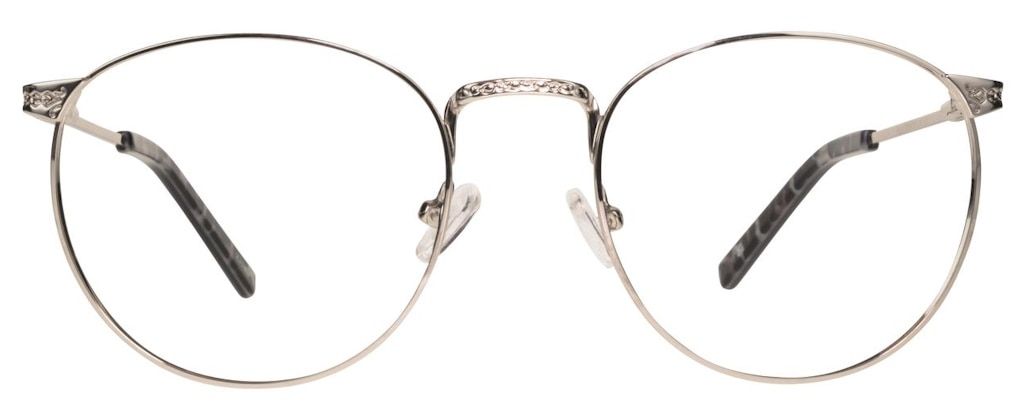
Adjustable nose pads allow you to fine-tune fit around your bridge width and height.
This helps:

Wider noses usually suit frames with medium or wider bridge widths.
Good styles include:
Frames that are too narrow may pinch or create pressure around the bridge.
Wider frames help create proportion between:
This keeps the face looking balanced instead of compressed around the centre.
Narrow noses
Narrow noses often need:
Frames with oversized bridges may slide or sit unevenly.
Metal styles often work particularly well because nose pads allow more adjustment.
When choosing glasses for nose shape, certain frame details matter more than others.
The bridge is the section connecting the two lenses.
Different bridge styles affect:
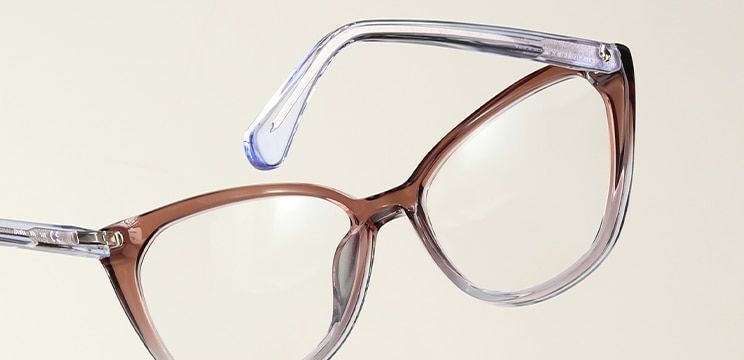
Saddle bridges spread weight more evenly across the nose.
They are commonly used in:
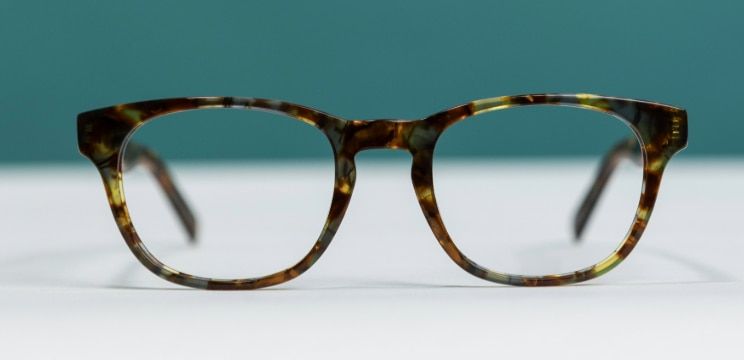
A keyhole bridge sits slightly higher and reduces pressure on the top of the nose.
This style often works well for:
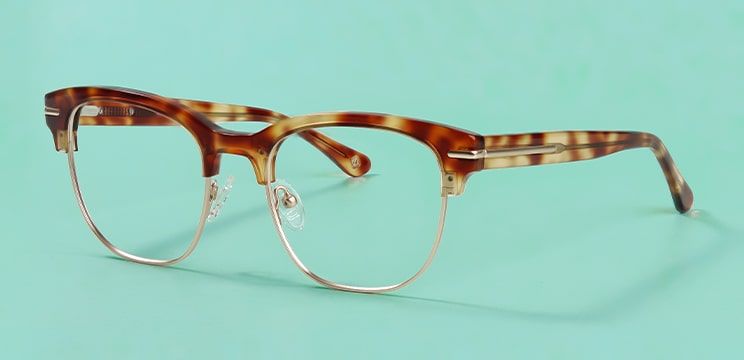
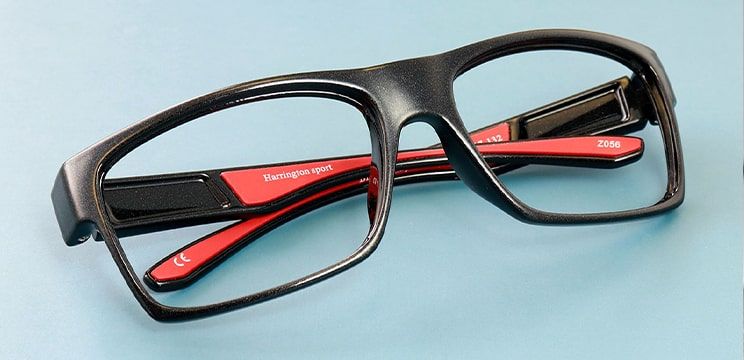
Frame size changes how balanced your facial proportions appear.

Oversized glasses often work well for big noses because larger frames create more even proportions across the face.
Oversized styles can:
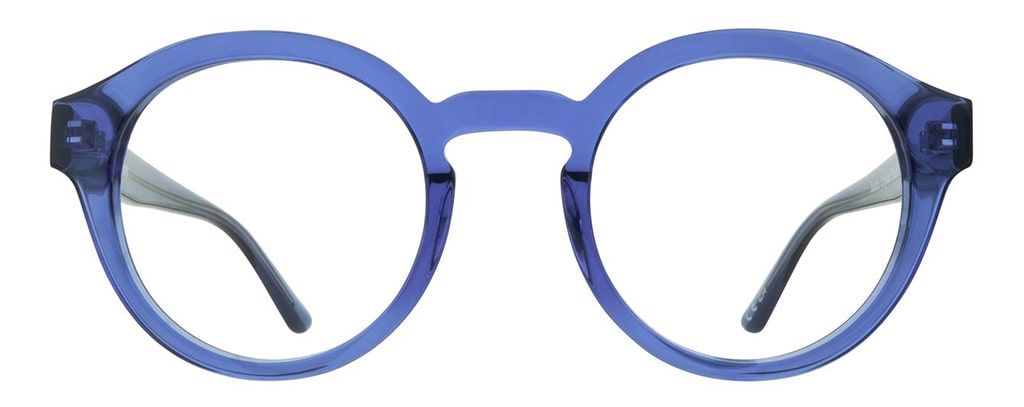
Acetate frames with thicker rims can help distribute visual weight more evenly across your features.
Popular options include:
Frame material affects comfort, weight, and adjustability.
Titanium frames are especially useful if you want lightweight glasses that feel comfortable during long periods of wear.
The right styling choices can balance your features naturally.
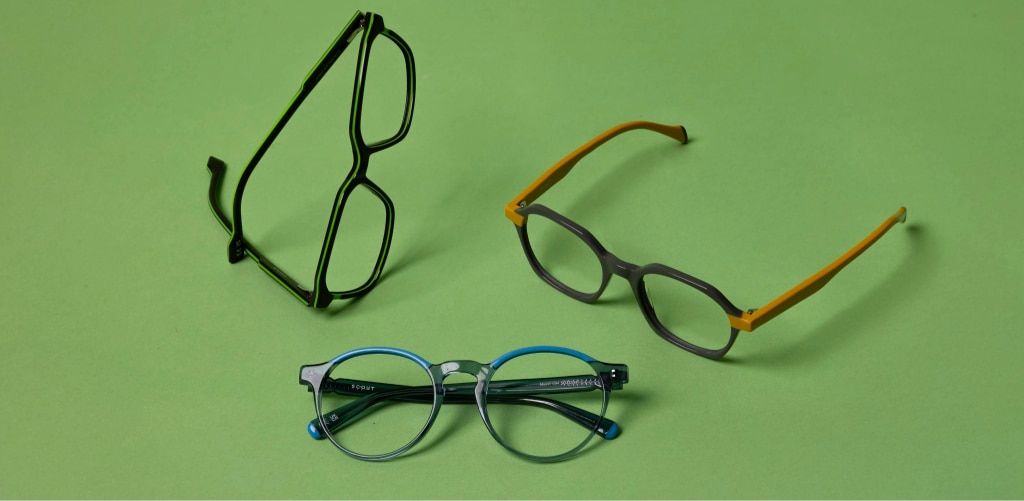
Frame colour changes how prominent your glasses appear.
These shades usually create softer facial contrast.
These colours draw more attention to the frame itself rather than the nose shape.

Balancing proportions is usually more important than hiding features.
If you have a prominent nose:
If you have a smaller nose:
Recommendations for men and women
Men’s glasses for nose shape
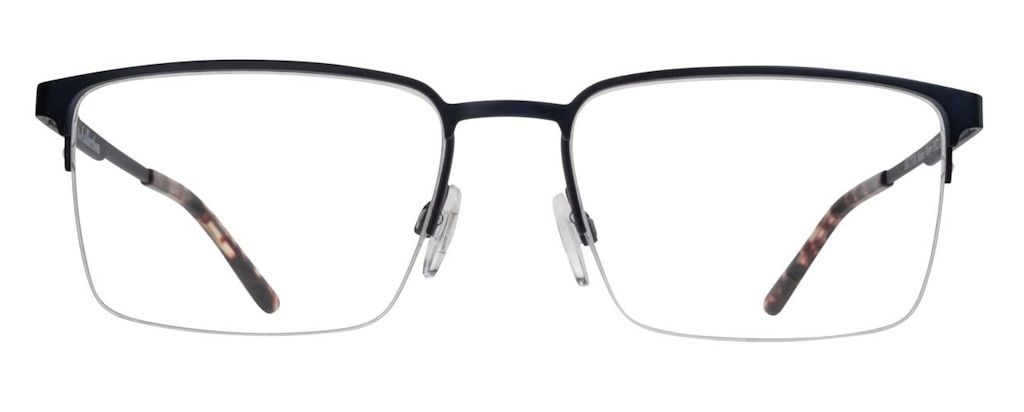
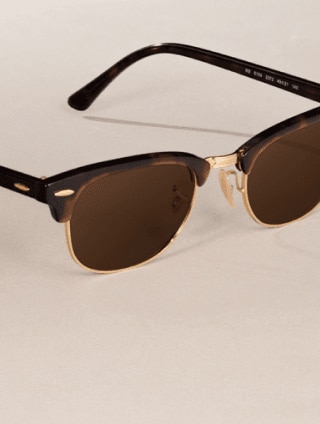
Popular men’s styles include:
The best glasses for big noses for men often feature:
Women’s glasses for nose shape
Popular women’s styles include:
Many women looking for oversized glasses for big noses prefer softer acetate styles that balance proportions without looking heavy.
Common mistakes when choosing glasses for nose shape
Avoid these common fit issues:
Even fashionable glasses can become uncomfortable if the bridge fit is wrong.
Choosing the right glasses for your nose shape can improve both comfort and confidence. The best frames balance your facial proportions, sit securely, and feel natural throughout the day.
Whether you prefer oversized acetate styles, lightweight titanium frames, or adjustable metal glasses, focusing on bridge fit and frame proportions makes the biggest difference.
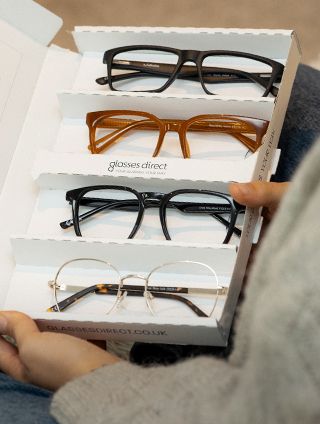
At Glasses Direct, you can compare different bridge styles, frame widths, and materials online or try selected styles at home using the free Home Trial service.
Wider frames, oversized acetate styles, aviators, and browline glasses often suit larger noses because they balance facial proportions.
Yes, oversized glasses for big noses can help create better facial balance by spreading visual focus more evenly across the face.
Adjustable nose pads, saddle bridges, and low bridge fit frames usually work best.
Both can work well. Metal frames often provide better adjustability, while acetate styles create stronger visual balance.
The best glasses for big noses usually include medium-to-wide frame widths, keyhole bridges, thicker rims, and slightly oversized proportions.