












The best foods for eye health and vision: what to eat for healthy eyes
2 January 2026

Whether you’re committing to healthier habits in 2026 or simply looking for ways to better protect your eyesight, good vision goes beyond booking routine eye tests. What you eat plays a major role. Research shows that specific vitamins, minerals, and antioxidants can support retinal function, protect your eyes from oxidative stress, and reduce the risk of age-related eye conditions such as cataracts. Below, discover some of the best foods for eye health—plus simple, practical ways to incorporate them into your daily meals.
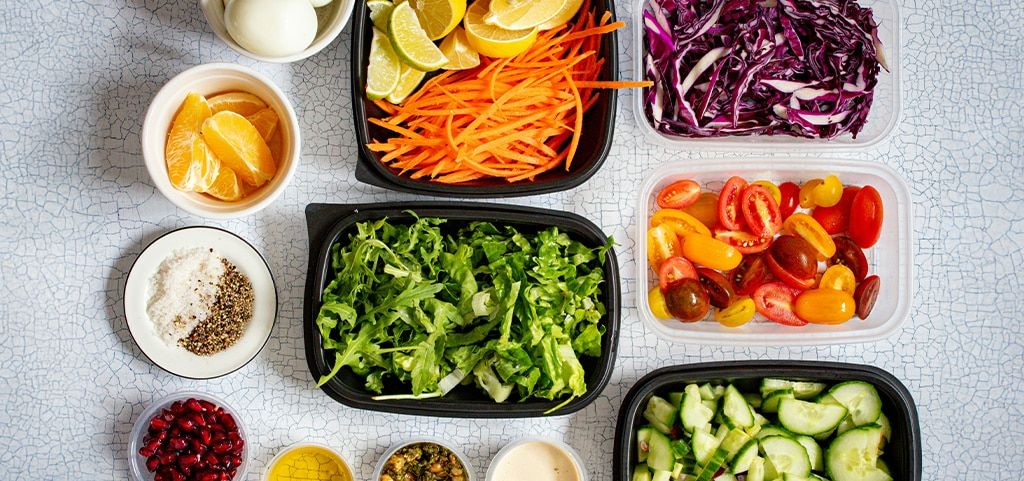
Your eyes rely on a wide range of nutrients to function at their best. Vitamins A, C, and E, essential minerals like zinc, and antioxidants such as lutein, zeaxanthin, and omega-3 fatty acids all play important roles in supporting and maintaining healthy vision.
A balanced diet can help:
While a healthy diet can’t prevent every eye condition, it provides a strong foundation for long-term eye health—especially when combined with regular eye care from an optometrist or ophthalmology specialist.
Below is a breakdown of the most important nutrients for your eyes, where to find them, and how to add them to your daily meals.
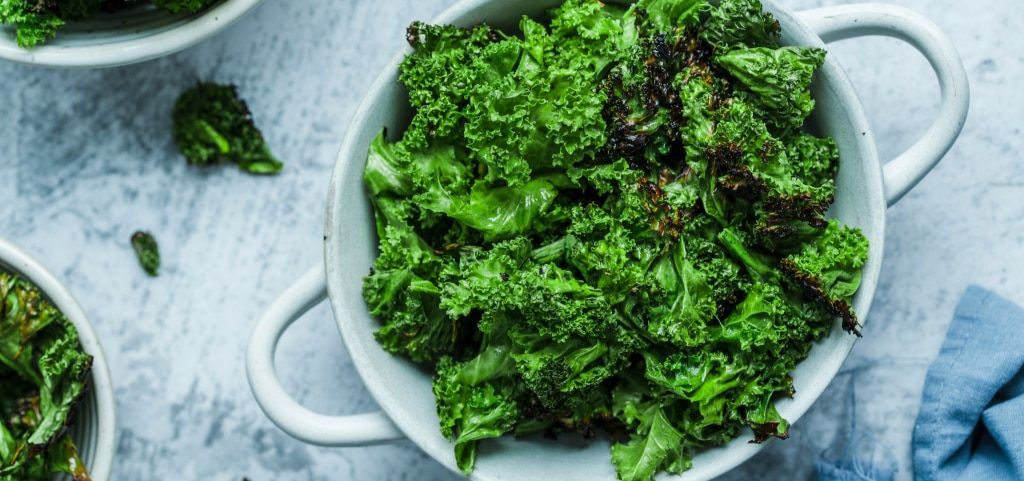
Dark leafy greens such as kale, spinach, broccoli, and collard greens are among the best foods for eye health. They’re rich in carotenoids—particularly lutein and zeaxanthin—which act as powerful antioxidants and accumulate in the macula, the area of the retina responsible for sharp, central vision.

Oily fish such as salmon, sardines, trout, and mackerel are good sources of omega-3 fatty acids (DHA and EPA), which is one of the best vitamins for eyesight. Plant-based sources include walnuts, flaxseeds, chia seeds, and hemp seeds.
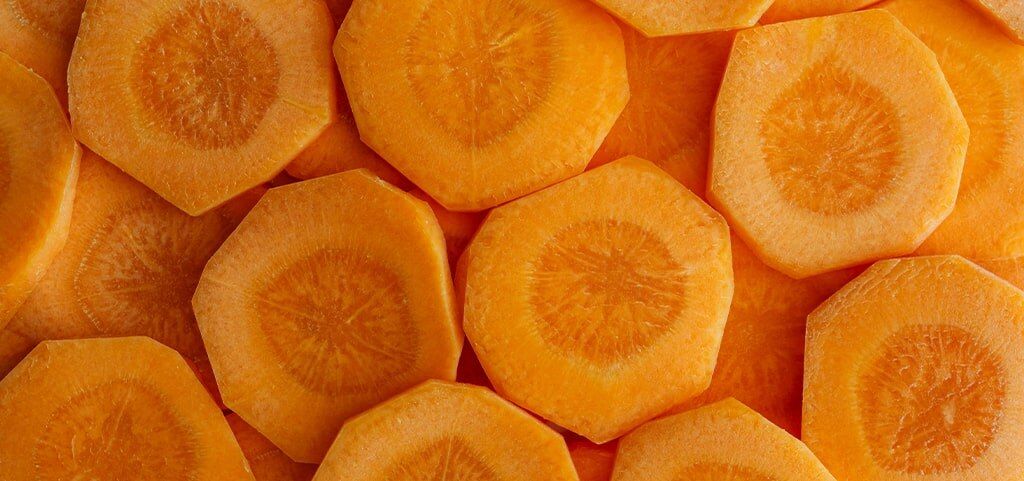
Foods like carrots, sweet potatoes, butternut squash, and apricots are packed with beta-carotene, which your body converts to vitamin A.
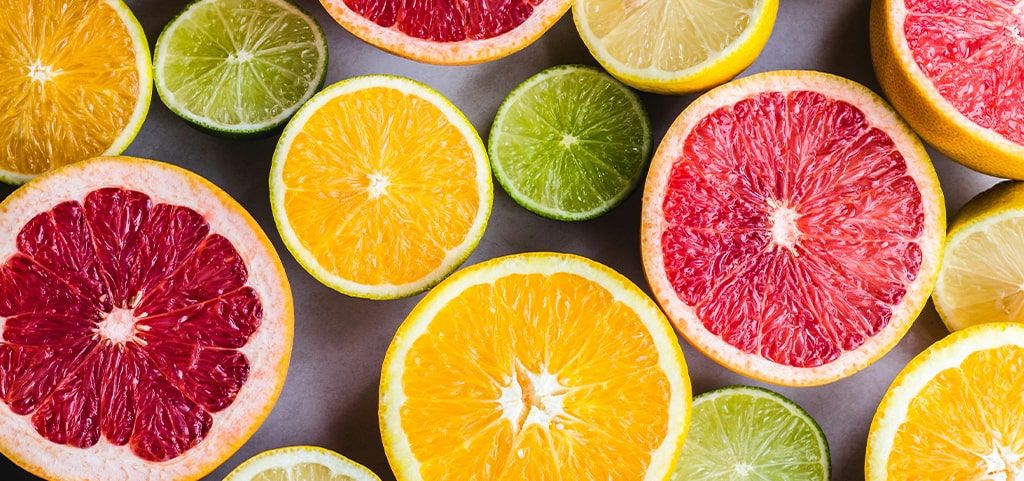
Vitamin C is a powerful antioxidant that plays an essential role in maintaining good vision by supporting the blood vessels in your eyes.
Citrus fruits such as oranges, lemons, and grapefruits—along with strawberries, green/red peppers, kiwi, tomatoes, and Brussels sprouts—are all excellent sources of vitamin C.
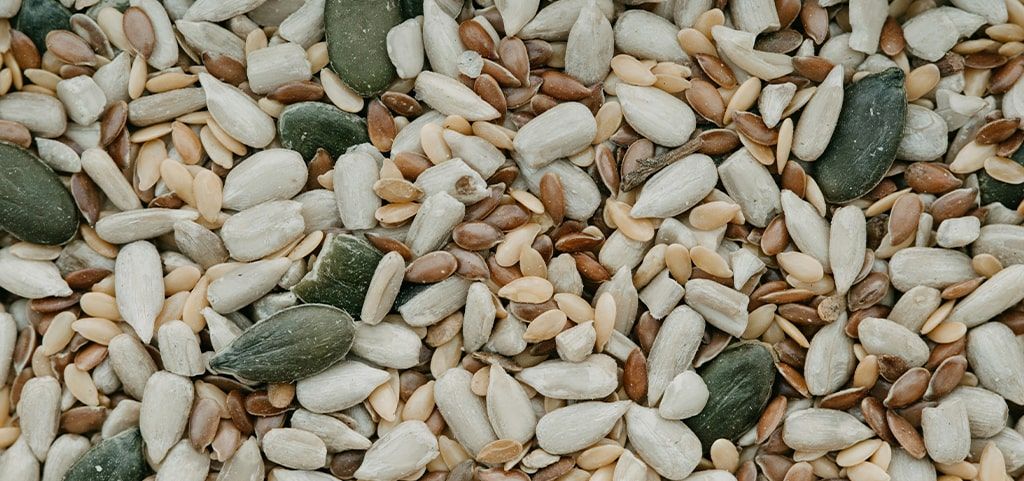
Vitamin E is a powerful antioxidant that helps protect the delicate tissues of your eyes—especially the retina—from oxidative stress and damage caused by free radicals. Good sources include sunflower seeds, hazelnuts, almonds, extra virgin olive oil, peanuts, and avocados.
Why they help your vision:
Serving ideas:
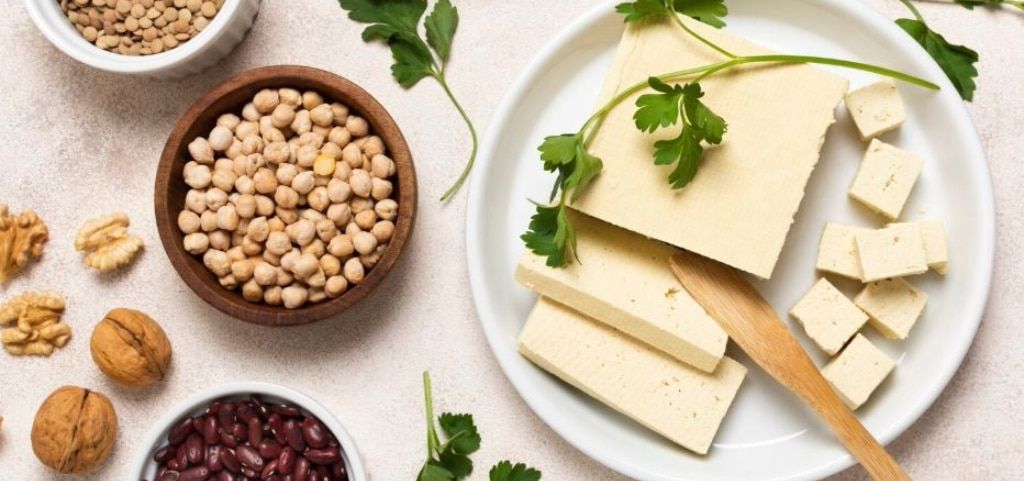
Zinc is essential for maintaining good eye health. It helps transport vitamin A from the liver to the retina, supporting melanin production and protecting your eyes from UV damage. Good sources include beef, turkey, chicken, oysters, tofu, kidney beans, chickpeas, and lentils.
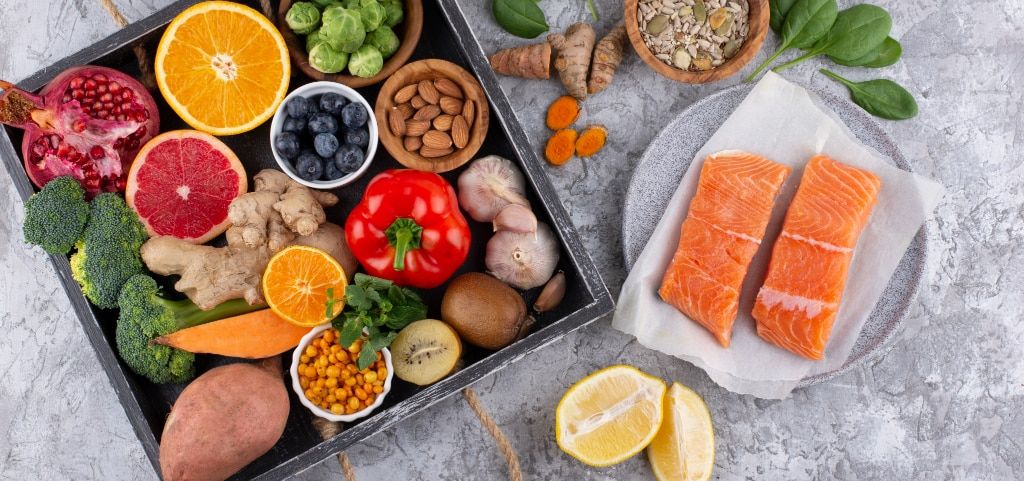
These nutrient-packed foods also offer powerful benefits for your vision:
Blueberries — rich in anthocyanins that protect retinal cells
Egg yolks — high in lutein and zeaxanthin for support of the macula
Whole grains — stabilise blood sugar and reduce the risk of diabetic retinopathy
Mangoes — a sweet, easy source of vitamin A and antioxidants

According to The Eatwell Guide from the NHS, the best diet for supporting both healthy eyes and overall wellbeing includes:
Try to limit:
Some of the worst foods for eye health are those high in salt, sugar, and saturated fats. Consuming them in excess can fuel inflammation, increase oxidative stress, and raise the risk of developing eye conditions.
Balance is key — you don’t need a perfect diet, just consistent, healthy habits.
Nutrition is just one aspect of good eye care. The following habits can also help you maintain good vision and protect your eye health for the future:

Drinking water can benefit your eye health by supporting tear film stability and reducing dry-eye discomfort.

Visit your local optician for routine eye exams. Many eye diseases show no early symptoms, and early detection is essential.

Eye health supplements may help if your diet is limited but always speak to healthcare professional first.

Sunglasses protect your eyes against UV damage year-round.

Over-wearing contacts can lead to dryness, irritation, and infection.

Always wash your hands before handling lenses or applying makeup.

Use blue-light-filtering lenses for extended screen time and wear protective goggles in industrial settings.
A nutrient-rich, healthy diet is one of the most effective ways to support your eyesight, reduce oxidative stress, and maintain sharp vision throughout your life. Combine these beneficial foods for eye health with good daily habits and eye care supported by an optometrist, and you’ll be taking meaningful steps toward protecting your eyesight for years to come.