






Glasses for high prescriptions work best when you combine high-index lenses, smaller frame shapes, and durable materials like acetate or titanium. These features help reduce lens thickness, improve visual acuity, and create a lighter, more comfortable pair of high-quality prescription glasses.
If you have strong myopia (short-sightedness), hyperopia (long-sightedness), astigmatism, or another complex prescription, choosing the right frames and lenses makes a noticeable difference in both comfort and appearance. The right combination can help avoid thick edges, reduce weight, and keep your new glasses looking balanced and stylish.
What is a high prescription for glasses?
High prescription glasses usually have lenses stronger than around ±5.00 dioptres, although definitions can vary slightly between optometrists. If your prescription reaches this level, lenses tend to become thicker and heavier, especially with standard lens materials.
People with high prescription glasses often experience challenges such as:
- Thicker lens edges, especially with myopia
- Increased lens weight
- Distortion at the edge of lenses
- The “Coke bottle” effect when lenses appear very thick
However, modern lens technology has dramatically improved the experience of wearing glasses for high prescriptions. Options such as high-index lenses and carefully selected frames help create thinner, lighter lenses that look more natural.
For many people, the key is understanding how frame shape, materials, and lens design work together to manage lens thickness while maintaining excellent visual acuity.

Choosing the right glasses frame for high prescription lenses
When selecting the right frames for a high prescription, the frame shape, lens width, and frames size play a significant role in how thick your lenses appear.
Frames influence the amount of lens material required. Larger lenses need more material, which can increase thickness. Smaller frames reduce this effect and often produce a more balanced look.
Frames that tend to work well include:
- Smaller frame designs
- Round or oval shapes
- Full-rim frames that conceal lens edges
Styles to avoid:
- Oversized frames
- Semi-rimless designs
- Very thin metal frames
These styles help distribute lens thickness more evenly and minimise the appearance of thick edges.
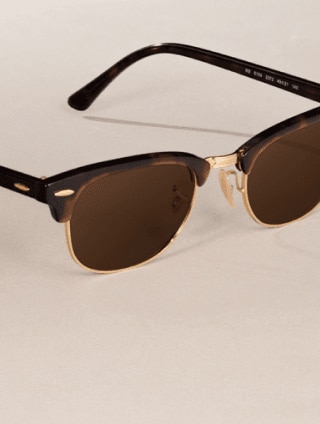
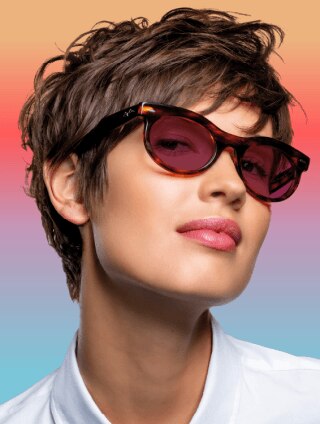
Many people also prefer designer frames from well-known brands, as they often balance style with durability. Brands such as Ray-Ban®, Oakley, and Polo Ralph Lauren offer frames that can comfortably support stronger prescriptions while maintaining a refined look.
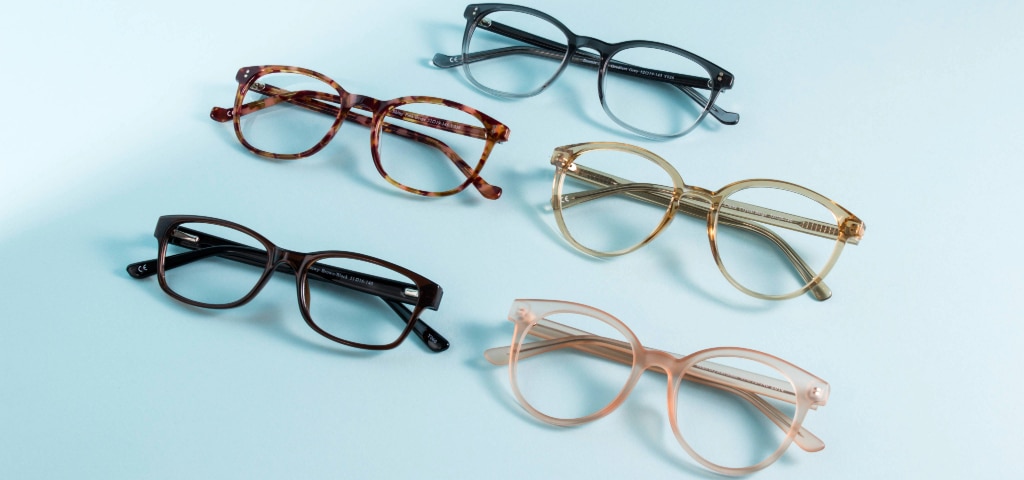
Frame materials for high prescription glasses
The material of your frame also affects comfort and durability. Common options include:
Acetate frames
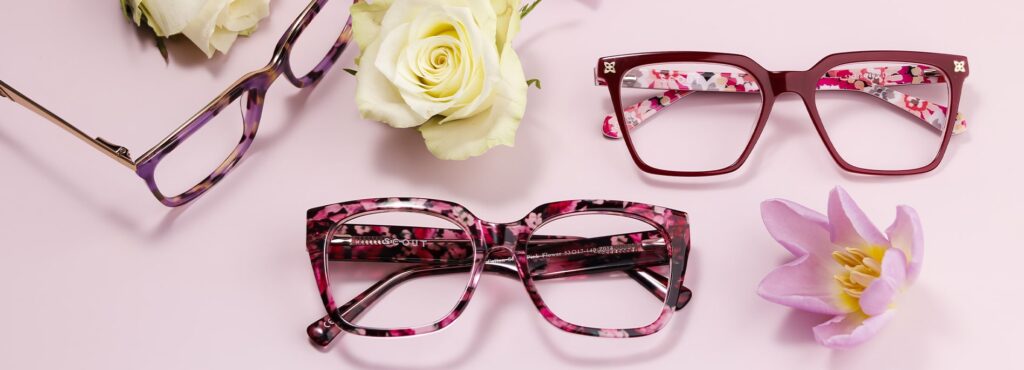
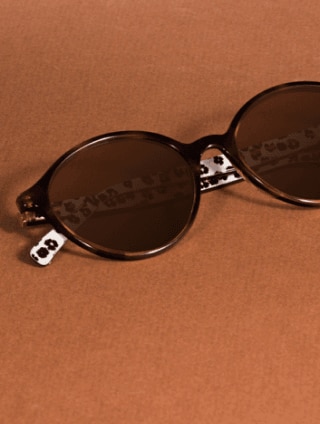
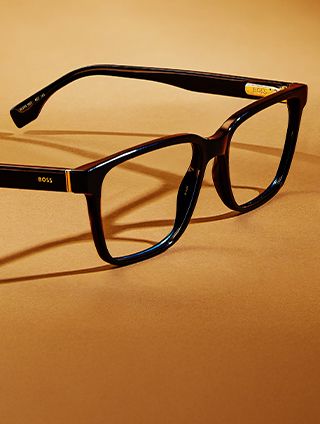
Acetate is a popular choice for high prescriptions because it offers thicker rims that help conceal lens edges. These frames also allow for bold colours and patterns such as tortoiseshell, which can further disguise lens thickness.
Metal frames
Metal frames often provide a lighter overall feel. However, thin metal rims may reveal thicker lenses more easily, so they are often paired with high-index lenses to reduce visible thickness.
Titanium frames
Titanium is valued for its strength and lightweight properties. It creates durable frames that remain comfortable even when supporting thicker lenses.
Each material offers a different balance of aesthetics, durability, and weight, allowing you to choose frames that suit both your prescription and personal style.
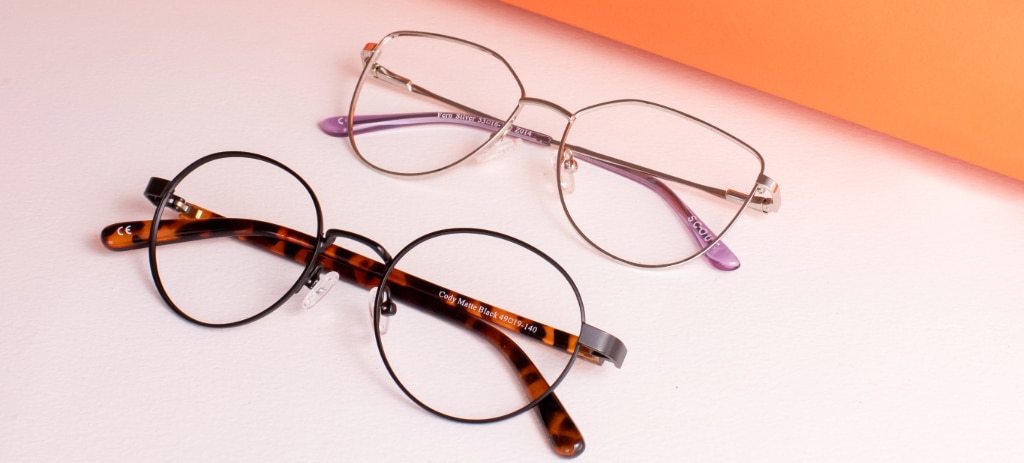
Frame shapes to minimize lens thickness
The best glasses shape for high prescription lenses typically reduces lens surface area.
Smaller lenses require less material, which means thinner edges and a lighter finished pair of glasses.
Shapes that work particularly well include:
- Round frames
- Oval frames
- Soft rectangular silhouettes
- Small to medium cat-eye frames
Round shapes are often recommended because they maintain consistent thickness around the lens edge, preventing the exaggerated corners that can occur with large rectangular frames.
Many people also prefer full-rim acetate silhouettes, which conceal lens edges and help maintain a balanced appearance.
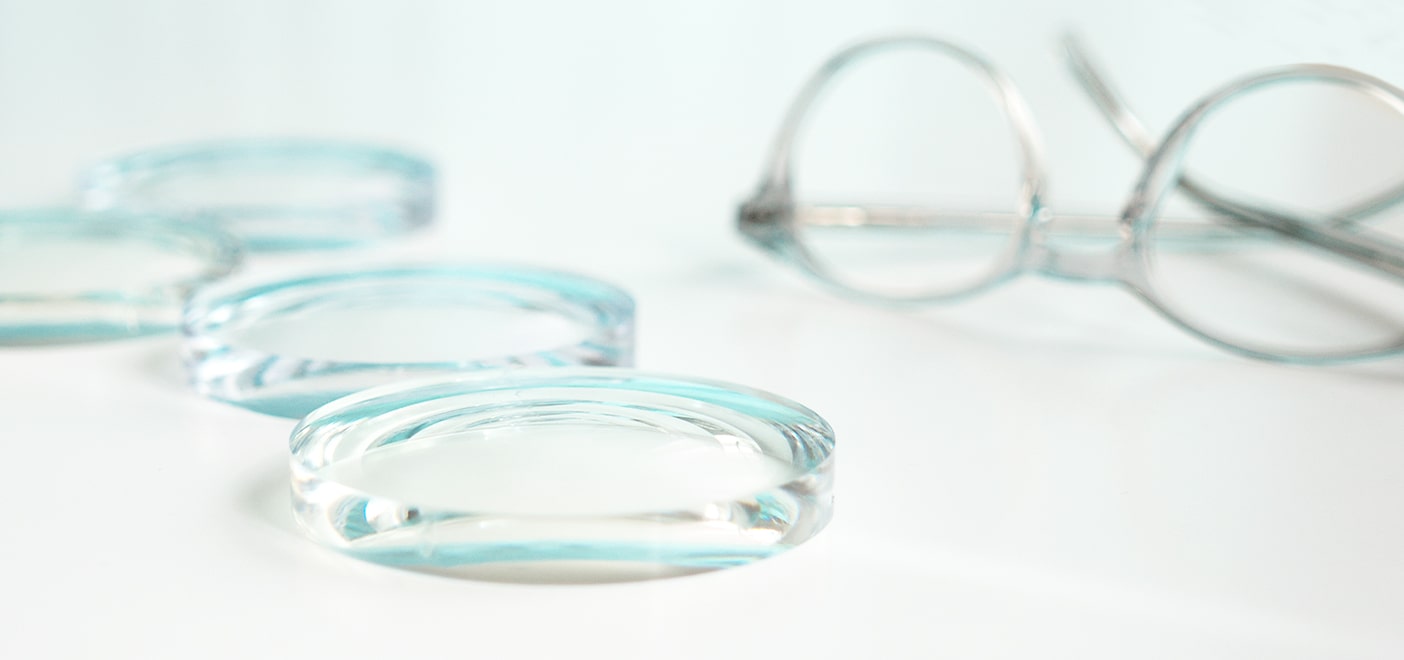
Lens options for high prescription glasses
Lens choice plays the biggest role in creating comfortable glasses for high prescriptions. Modern optical technology offers several options designed specifically for stronger prescriptions.
The goal is to reduce thickness, improve clarity, and ensure the glasses remain lightweight enough for daily wear.
High-index lenses: the best choice
High-index lenses are widely considered the best option for high prescriptions. At Glasses Direct, we have a selection of great-value lens packages which are suited to various prescription strengths.
These lenses bend light more efficiently than standard plastic lenses. Because they are more efficient, they require less material, which means they can be significantly thinner and lighter.
Benefits of high-index lenses include:
- Reduced lens thickness
- Lower overall weight
- Improved cosmetic appearance
- Greater comfort for complex prescriptions
High-index lenses come in several levels, including 1.67 and 1.74 index lenses, which are specifically designed for stronger prescriptions.
For people with single-vision, varifocal, or bifocal lenses, high-index materials can significantly improve the appearance and comfort of glasses.

Lens coatings for enhanced vision
Lens coatings further improve the performance of high prescription lenses. Some of the most useful options include:
Anti-reflective coating
An anti-reflective coating reduces glare and reflections, making lenses appear clearer while improving visual comfort, especially when driving at night or viewing digital screens.
Blue light protection
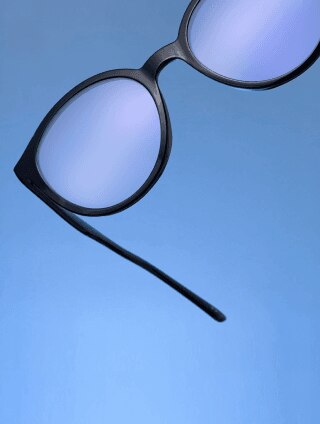
If you spend long hours on digital devices, blue light lenses can help reduce eye strain from screens. Blue light filters are a common option when ordering prescription glasses online.
Scratch-resistant coating
High prescription lenses represent an investment, so scratch resistance helps protect them from daily wear.
UV protection and Transitions® lenses
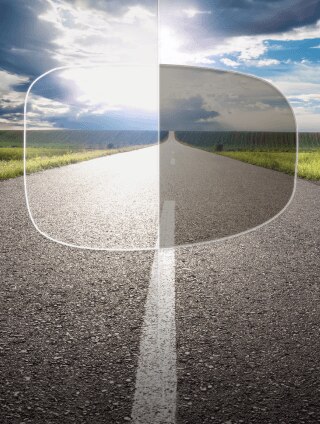
Lenses with UV protection shield your eyes from harmful ultraviolet rays, helping maintain long-term eye health. Some people also choose Transitions® lenses, which automatically darken in sunlight, providing the convenience of glasses and sunglasses in one pair.
Together, these coatings enhance clarity and durability while keeping your lenses looking cleaner and more transparent.
Tips for comfort and style
Choosing the right eyeglasses involves more than lenses and frames. Small adjustments can significantly improve how your glasses look and feel.
With strong prescriptions, careful fitting and measurements help ensure the best possible result.
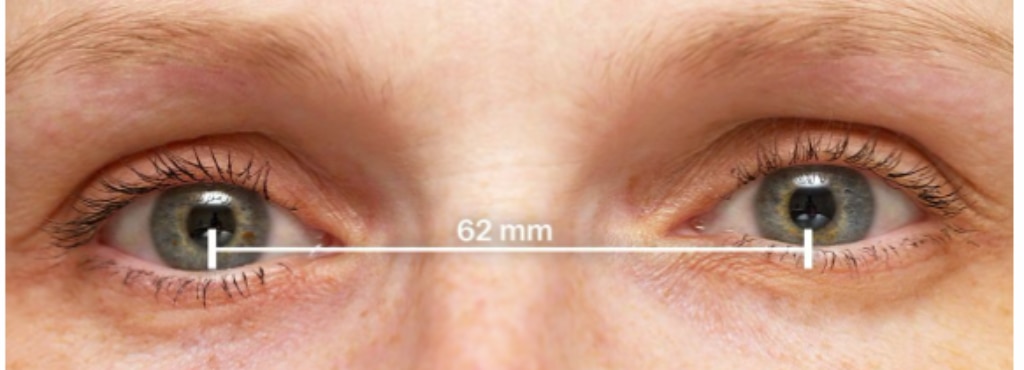
Measuring your pupillary distance
Pupillary distance (PD) measures the distance between the centres of your pupils. This measurement ensures that the optical centre of each lens aligns correctly with your eyes.
When searching for the best online glasses for high prescriptions, accurate PD measurements are essential for maintaining clear vision.
At Glasses Direct, you can follow our simple guide to help measure PD at home, although your high street optician can also provide this measurement during an eye test.
Avoiding the “Coke bottle” effect
The “Coke bottle” effect occurs when lenses appear very thick and distort the eyes behind them.
To reduce this effect:
- Choose high-index lenses
- Select smaller frame shapes
- Consider acetate frames with thicker rims
- Ensure accurate PD measurements
These strategies reduce visible lens thickness and improve the overall appearance of your glasses.
Some people with strong prescriptions may also alternate between glasses and contact lenses depending on their daily needs.

Where to buy glasses for high prescriptions
Today, it’s easier than ever to find glasses for high prescriptions both online and in optical stores.
Glasses Direct provide a wide range of frame styles and lens technologies, available at affordable prices.
When shopping for the best online glasses for high prescriptions, look for services that offer:
- High-index lens upgrades
- Detailed prescription customisation
- Easy returns or Home Trial options
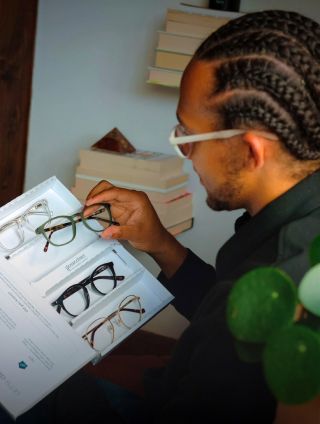
At Glasses Direct, you can explore hundreds of frame styles designed to work with stronger prescription, including designer glasses from brands such as Ray-Ban and Oakley. Services such as the Free Home Trial allow you to try on frames at home before ordering, making it easier to find a style that suits your face shape and prescription needs.
You can also choose prescription sunglasses, reading glasses, single-vision lenses and more, ensuring the same clarity and comfort across different types of eyewear.
Conclusion: find your perfect pair
Finding the right glasses for high prescriptions becomes much easier when you understand how frames, lenses, and measurements work together.
The most effective approach usually combines:
- High-index lenses to reduce thickness
- Smaller frame shapes to minimise lens size
- Durable materials like acetate or titanium
- Accurate pupillary distance measurements
With these elements in place, even strong prescriptions can produce glasses that feel lightweight, look balanced, and provide excellent visual clarity.
If you are ready to explore new options, browsing modern collections online can help you discover high-quality glasses designed specifically for stronger prescriptions. With the right combination of technology and design, your new glasses can deliver both comfort and confidence.

FAQs
What is considered a high prescription for glasses?
A high prescription for glasses is typically around ±5.00 dioptres or stronger, although the exact definition can vary slightly. Prescriptions at this level often require specialised lens options such as high-index lenses to reduce lens thickness and improve comfort.
What are the best glasses frames for high prescriptions?
The best glasses frames for high prescriptions usually have smaller lens sizes, thicker rims, and durable materials. Full-rim acetate frames are often recommended because they help conceal thicker lens edges. Round or oval shapes can also reduce visible thickness by distributing the lens material more evenly.
Do high prescriptions always mean thick lenses?
Not necessarily. Modern high-index lenses bend light more efficiently than standard lenses, allowing them to be thinner and lighter even with strong prescriptions. Choosing smaller frames and the right lens width can also significantly reduce the appearance of thick lenses.
Can I buy glasses for high prescriptions online?
Yes. Many people now order prescription glasses online. Services like Free Home Trial allow you to try frames at home before buying, while accurate details from your latest eye test and pupillary distance (PD) ensure your lenses are made correctly.