




Best glasses for night driving to cut headlight glare and improve night vision
17 September 2026

In summary: Choosing the right glasses for night driving comes down to two key fundamentals: an up-to-date prescription and an anti-reflective coating. These make a real difference to headlight glare and clarity after dark. Yellow-tinted “night driving” lenses don’t improve visibility in testing and can make dark parts of the road harder to see.
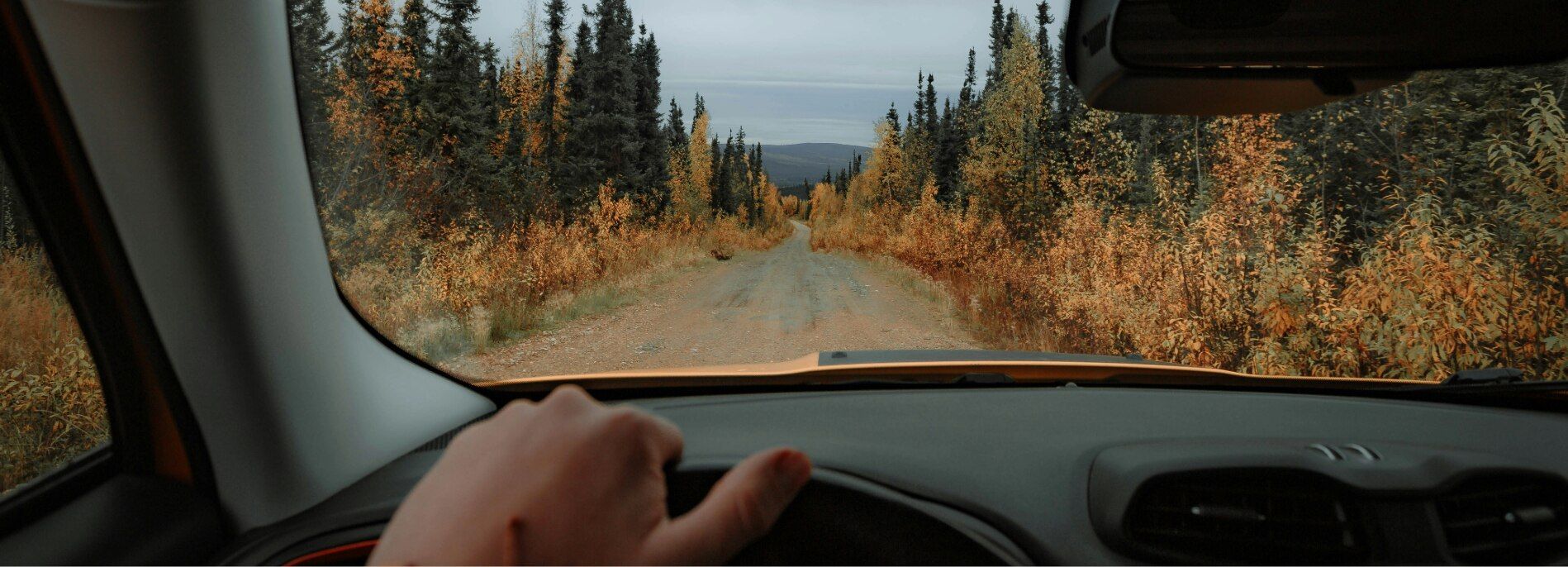
Few things rattle a driver like oncoming headlights on a dark road: the glare blooms, the road vanishes for a second and your eyes fight to recover. Add rain, fog or a glowing dashboard screen and the strain builds fast, leaving your eyes tired and your focus stretched thin. The good news? The right night-driving glasses really do help after dark. Here's what actually helps, what to avoid and how to choose the best prescription glasses for night driving.

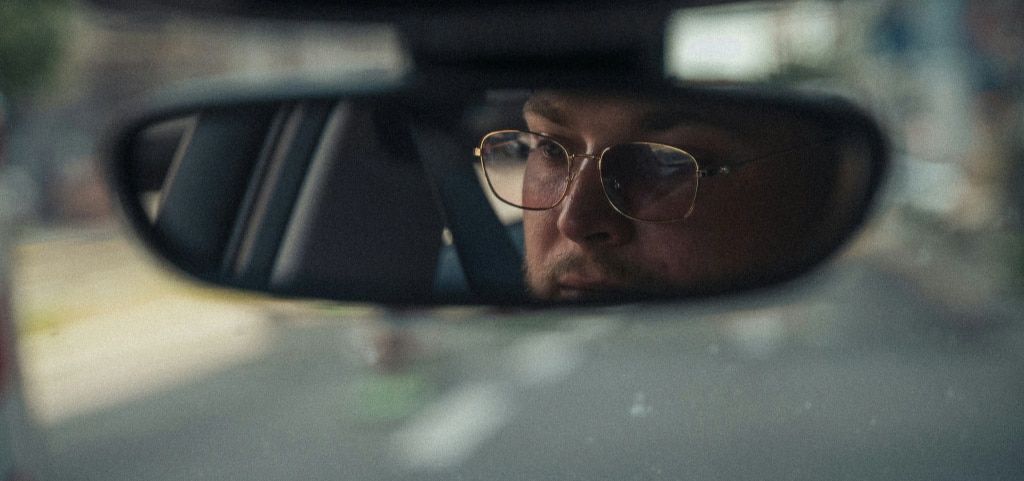
Our eyes are built for daylight, not a dark A-road — so they struggle the moment the light drops. In low-light conditions, pupils widen to let in more light. This makes them more sensitive to a sudden burst of brightness. Every oncoming headlight hits harder than it would by day. Contrast drops too, so judging distance gets harder. It's why so many drivers start searching for glasses for night driving in the first place.
Glare comes from more sources than most drivers realise:
It's a widespread problem. In a 2023 survey commissioned by the College of Optometrists, 76% of UK drivers said headlight glare affected their night driving.
Vision changes gradually, so most drivers are on a prescription that's a year or two out of date without realising it. An error that's barely noticeable by day can show up at night as smeared, haloed headlights. With astigmatism, that glare stretches into long streaks across the windscreen.
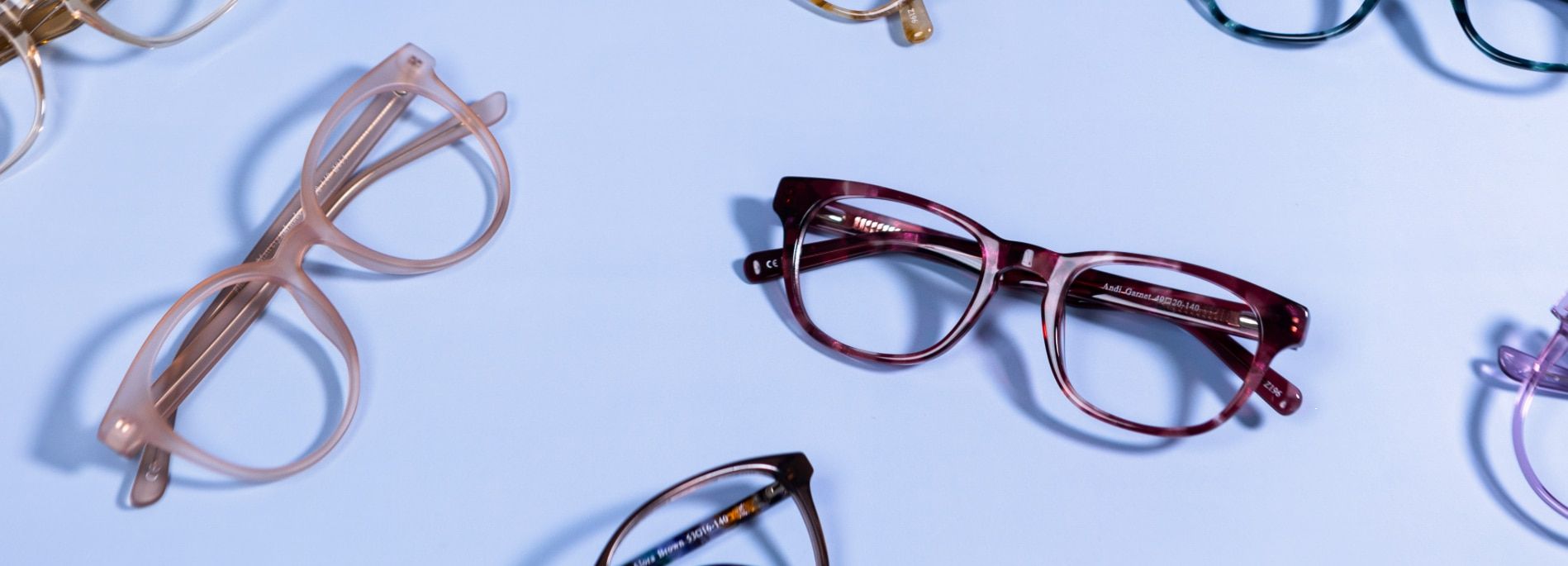
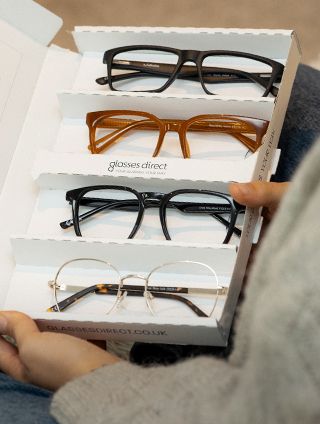
A current eye test and well-fitting frames beat any gadget on the market — a correctly made pair of night-driving spectacles from an up-to-date prescription will always outperform anything bought off the shelf. Not sure what fits you best? That's what free Home Trial is for: order a few frames, try them on for size and keep the pair that fits just right. Pair your new glasses with an anti-glare coating and you're all set for a safe journey on the road.

As we age, our eyes naturally worsen. From the early-to-mid 40s, a change called presbyopia sets in: the lens inside the eye stiffens, making close- to mid-range focus harder. This is a normal sign of aging, but it makes the dashboard, sat nav or a parking screen harder to read. Two hours on a dark motorway adds glare-related strain on top, which is why night trips can feel more tiring with age.
This doesn't mean giving up driving — it means the lenses need to do more work. If both near and distance vision have shifted, varifocal or bifocal lenses put the correction where it's needed. A recent eye test also rules out anything that needs a closer look.
Yes. An anti-reflective coating — also called anti-glare — is a thin layer applied to the lens. It stops light from bouncing around on the lens surface, which cuts halos and starbursts around headlights, sharpens contrast and lets more usable light reach the eye. Over a three-hour drive, that's the difference between arriving alert and arriving exhausted.
At Glasses Direct, an anti-reflective coating is built into every lens package from Silver upwards, so there's no trade-off between clear vision and price. It's the one upgrade we'd strongly recommend for every night driver.
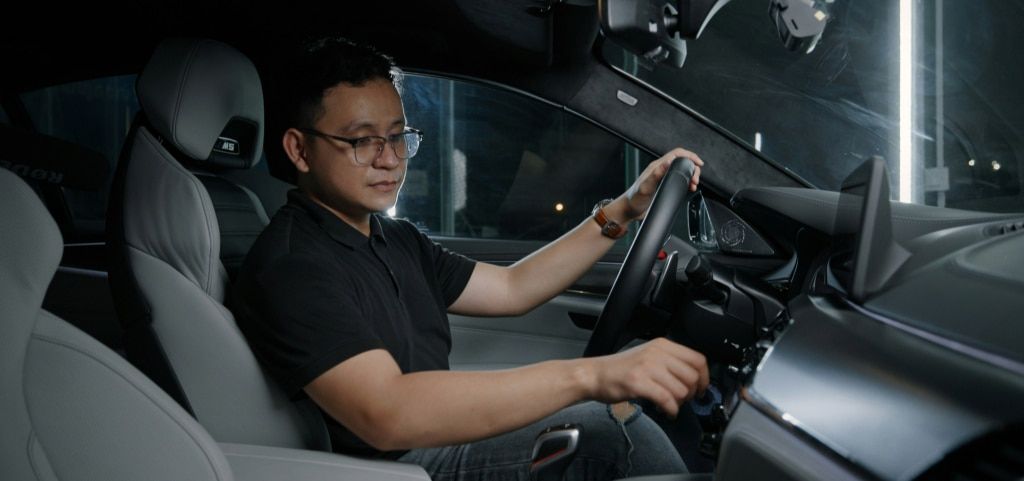
This is the one to skip. Search for "headlight glasses UK" online and amber or yellow lenses promising to soften the harsh blue-white light of modern headlamps are everywhere. It sounds plausible — but the evidence doesn't support it.
A driving-simulator study reported by the American Academy of Ophthalmology found that yellow night-driving lenses gave drivers no advantage over clear lenses: no improvement in spotting pedestrians, no reduction in headlight glare.
The reason is straightforward: any tint reduces the light reaching the eye, and at night every bit of light counts. Tinted lenses make the darkest parts of the road look even darker, which is the opposite of what you need when scanning for a cyclist dressed in black. Tints and polarised lenses have their place, but that's for daytime glare — save them for then.
Better alternatives: clear anti-glare lenses for maximum light transmission, or Transitions® XTRActive® lenses, which adapt to changing light and help reduce headlight glare.
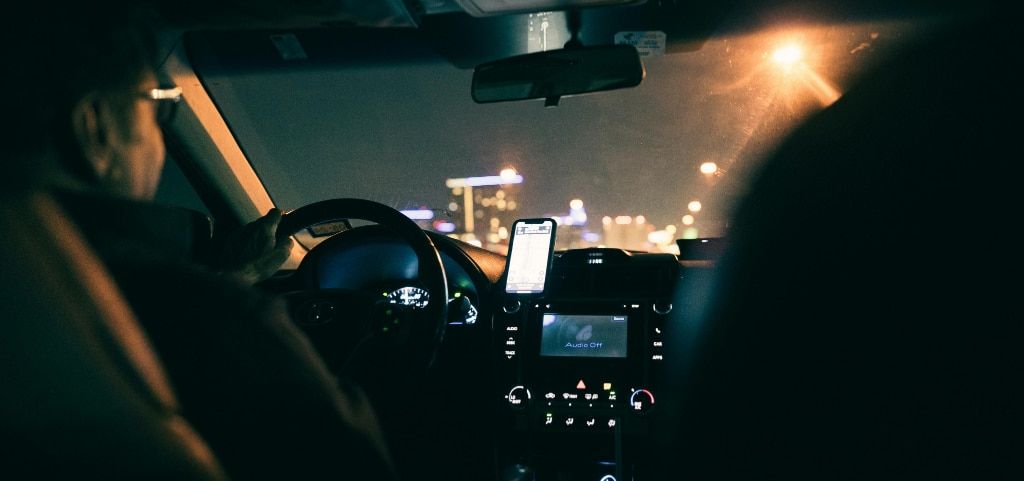
A proper pair of glasses for night driving doesn't need to be complicated:
None of this needs to be expensive. Glasses Direct's own-brand 2-for-1 frames start from just £49, so you can keep a spare pair for the glove box. Still deciding? Try up to four frames with free Home Trial and see how they look and feel at home before committing.
Skip the tinted gimmicks. The fundamentals do the heavy lifting: get your eyes tested, keep your prescription current and pair clear lenses with an anti-glare coating. Keep lenses clean and frames well-fitted, and headlight glare stops being a nightly battle.
At Glasses Direct, our opticians check every prescription before the glasses are shipped out, so you can rest assured that your glasses will perform well on long evening drives. See clearly, and enjoy the drive.
No. A driving-simulator study reported by the American Academy of Ophthalmology found no benefit over clear lenses: no improvement in spotting pedestrians, no reduction in headlight glare.
An up-to-date prescription paired with an anti-reflective (anti-glare) coating. Together they address the two biggest causes of glare and blurred vision after dark.
No — polarised and tinted lenses reduce the amount of light reaching the eye, which is the opposite of what's needed at night. They're better suited to bright daytime glare.
At least every two years, or sooner if headlights start to look smeared, haloed or streaked. Vision changes gradually, so a regular check-up catches drift most drivers wouldn't notice on their own.
Only if both near and distance vision have changed — for example, if reading the dashboard or sat nav has become harder as well as judging distance on the road. An optician can confirm this during an eye test.
Yes. It's included as standard from our Silver lens package upwards, so you don't need to pay a fortune for clearer night vision.