






Driving in low autumn sun: why glare gets worse this time of year
28 September 2026

In summary: As the sun drops lower in the sky through autumn, it shines straight into your eyes at windscreen height, making glare far harder to avoid. Polarised sunglasses for driving cut reflected glare, Transitions® lenses adapt automatically between light levels and amber or gradient tints boost contrast on dull days. The right pair of anti-glare glasses for driving can make autumn journeys safer and far more comfortable.


In summer, the sun sits high overhead for most of the day. Come autumn, it drops closer to the horizon, especially during your morning and evening commute.
That lower angle means sunlight hits your windscreen almost side-on, bouncing straight into your eyes. Add in wet roads, fallen leaves and low cloud, and you’ve got a recipe for glare that’s genuinely harder to deal with than a bright summer’s day.
This is why so many drivers notice more squinting, watering eyes and difficulty seeing road markings between September and November, even on days that don’t feel especially sunny.
Signs you need better driving sunglasses
You might already be dealing with autumn glare if you find yourself:
If any of that sounds familiar, it’s worth looking at proper sunglasses for car driving rather than relying on a sun visor alone.
Not all tints work the same way behind the wheel. Here’s how the main options compare.
Polarised lenses are the gold standard for anti-glare driving sunglasses. They work by filtering out horizontal light waves, the exact type that bounces off wet tarmac, other cars and shiny surfaces.
Our polarised tints block 99.5% of reflective glare and absorb 85% of light, so you get a clearer, calmer view of the road ahead.

Transitions® lenses adjust automatically as light changes, going darker in bright sun and clearing again as you drive into shade or through a tunnel. That’s especially useful in autumn, when you might drive from bright, low sun straight into an overcast patch a few minutes later.
With Transitions® Drivewear®, lenses are optimised specifically for driving — they stay tinted behind the windscreen (where standard photochromic lenses often stay clear, since they’re triggered by UV light) and adjust to changing conditions on the road, so there’s no fumbling between glasses and sunglasses at the wheel.
Amber and copper tints are worth considering if you drive a lot in overcast or hazy autumn weather. These tints boost contrast, making it easier to pick out kerbs, cyclists and road markings against a grey background, without making everything look unnaturally dark.

Gradient lenses are dark at the top and fade to clear at the bottom, cutting overhead glare from a low sun while keeping your dashboard and mirrors clear. They’re a popular, versatile choice for everyday driving.
| Lens type | Best for | Considerations |
|---|---|---|
| Polarised | Maximum glare reduction in bright sun | May interfere with some LCD dashboards and head-up displays. |
| Amber | Highest contrast in cloudy or hazy conditions | Changes colour perception and isn’t intended for night driving. |
| Gradient | Everyday comfort with excellent dashboard visibility | Less effective against reflected road glare. |
| Transitions® Drivewear® | Automatically adapts from olive-green to copper to dark brown depending on light levels; combines polarisation with high contrast | Excellent all-round daytime driving lens, but not suitable for night driving. |
Beyond the lens tint, a few other things make a real difference on the road.

Wraparound driving sunglasses sit closer to your face and curve around the temples, blocking stray light from the sides. This is particularly helpful when the sun is low and at an angle, rather than straight ahead.
Frame fit matters too. Loose frames let light sneak in around the edges, undoing a lot of the benefit of a good tint. Look for a snug, comfortable fit that stays put over bumps.
Men’s driving sunglasses and women’s driving sunglasses are increasingly designed with driving-specific features as standard, including polarisation and anti-reflective coatings, so it’s worth checking the lens details rather than choosing on looks alone.
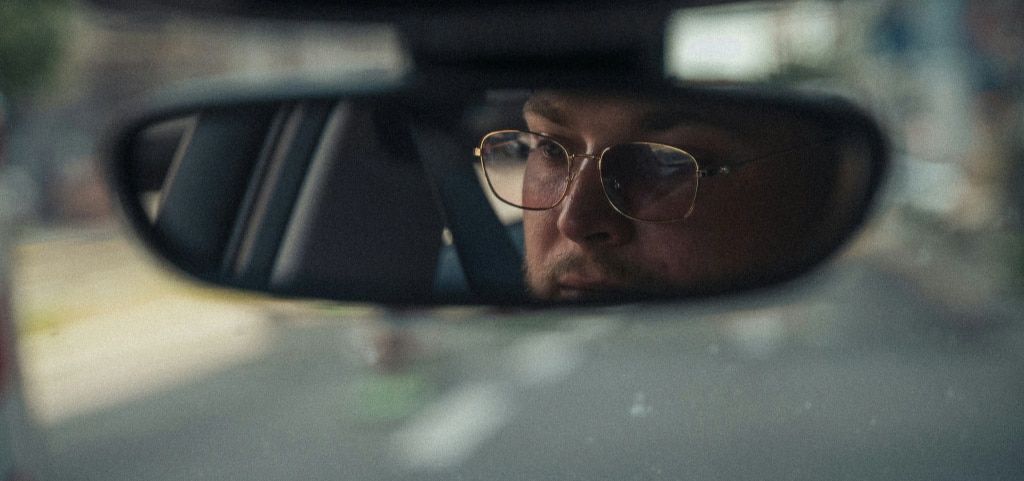
If you already wear prescription glasses, day-driving glasses with an anti-reflective coating can help even without a tint, by cutting glare from your own lenses as well as the sun. For brighter days, prescription sunglasses with a polarised or Transitions® lens combine both benefits in one pair.
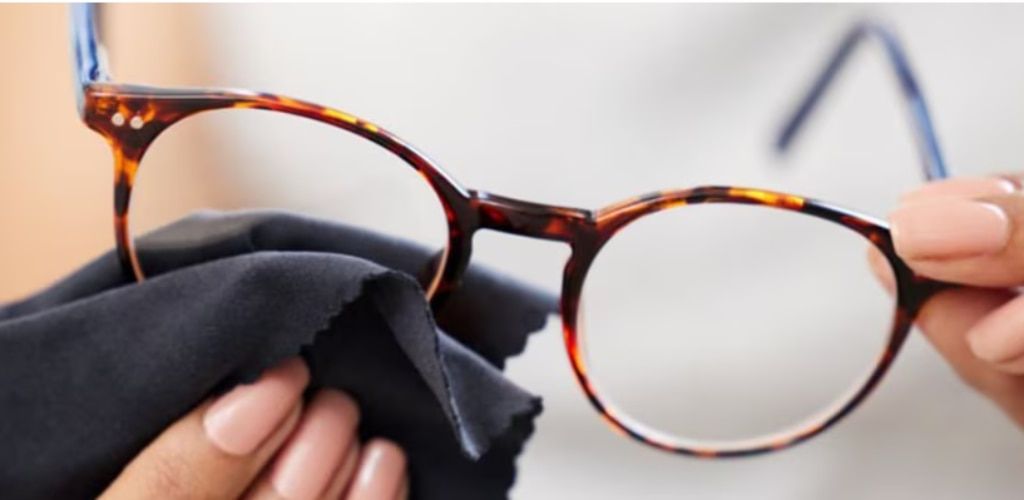
A few simple habits help your lenses perform at their best:
Check the fit regularly, especially if frames have loosened over time
Ready to see the road more clearly this autumn? Shop driving sunglasses and lenses.
Yes, polarised lenses can sometimes make LCD screens (like sat-navs) appear dim or patterned. If you rely heavily on an in-car screen, ask us about anti-glare alternatives.
Transitions® lenses darken significantly in bright light, but dedicated sunglasses with a polarised tint still offer the strongest glare reduction for very bright, low-sun conditions.
A light amber tint can help boost contrast in low light, while a clear anti-reflective coating is best once it’s fully dark.
Yellow lenses are often sold as “night driving glasses,” but the evidence doesn’t support this. They reduce the amount of light reaching your eyes and distort colour, which can make it harder to judge brake lights and road signs. An anti-reflective coating on clear lenses is a better option for night driving, since it cuts glare without blocking out light you need.
Yes, anti-reflective and polarised options are both available on prescription lenses, so you don’t have to compromise on clear vision to reduce glare.
Many wraparound styles are available with prescription lenses, giving the same side-glare protection without needing contact lenses.
If you mostly drive in bright, low sun, go for polarised. If you’re often out in overcast or dull autumn conditions, amber tints will likely serve you better.