










How blue light affects your eye health
30 April 2026

Quick takeaway: Blue light exposure comes from sunlight and artificial light sources like smartphones, LED lighting, and computer screens. It supports your circadian rhythm during the day, but prolonged exposure to high-energy visible light from digital devices can contribute to digital eye strain, dry eyes, and disrupted sleep. Understanding the relationship between blue light and eye health can help you manage screen time more effectively. Using blue light-filtering eyewear can also support better eye health.

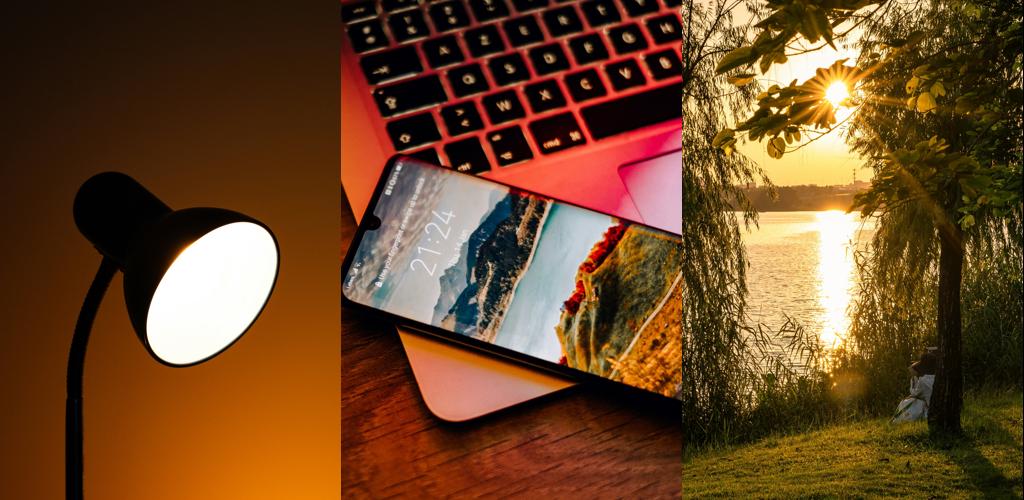
Blue light is part of the visible light spectrum, specifically at shorter wavelengths (around 400–455nm). These shorter wavelengths carry more energy, making blue light a form of high-energy visible light.
You encounter blue light from multiple sources throughout the day:
Because these sources are everywhere, your eyes are exposed to a consistent amount of blue light across both natural and indoor environments. This constant exposure is why there is growing interest in the effects of blue light on eye health.
The effects of blue light depend on both the intensity and the amount of time you are exposed to it.

Long periods in front of screens on digital devices and electronic devices can lead to digital eye strain, also known as computer vision syndrome.
Common symptoms include:
This occurs because your eyes are constantly focusing on bright, high-energy light at close range, while blinking less than normal. Over time, this can disrupt the tear film and affect the eye’s surface (the cornea), leading to dryness and discomfort. These everyday highlight the impact of blue light on eye health, particularly with prolonged screen use.
Blue light travels through the eye and reaches the retina (or retinas), where visual information is processed. Some research in ophthalmology suggests that long-term exposure to high-energy light may play a role in retinal stress.
This has led to interest in links between blue light and conditions such as:
Studies referenced in journals such as PLOS ONE and indexed by the NLM (National Library of Medicine) explore how blue light damage may affect retinal cells. However, everyday screen use has not been conclusively proven to cause permanent retinal damage or eye damage.
Cataracts are linked to ageing and changes in the eye’s natural lens. While blue light is not considered a primary cause, managing prolonged exposure to artificial light is still part of good eye care.
In cases of advanced cataracts, treatments such as cataract surgery may involve fitting an intraocular lens, some of which include blue light-filtering properties.
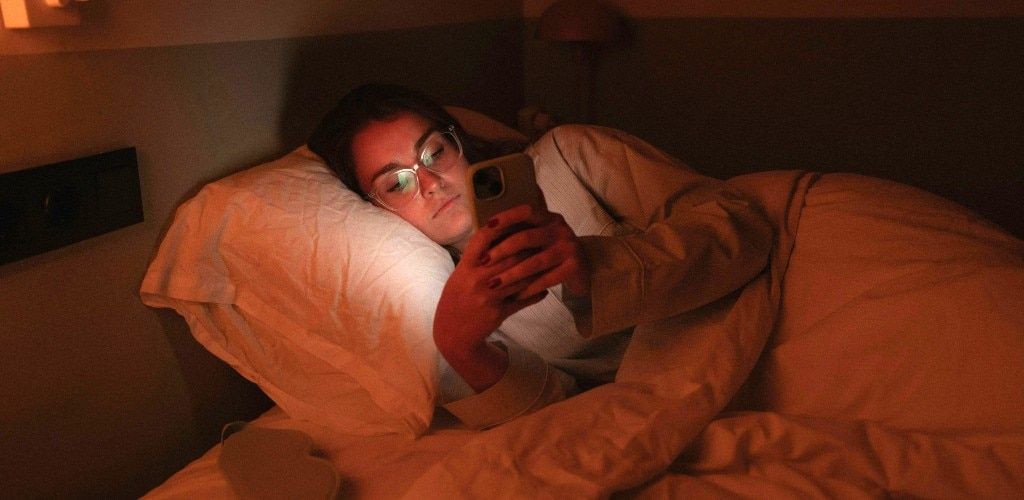
Blue light plays an important role in your circadian rhythm (sleep-wake cycle).
This is particularly relevant if you:
Balancing blue light exposure is key to maintaining a healthy sleep routine and supporting overall eye health.
Despite concerns, blue light also has clear benefits:
The goal is not to eliminate blue light, but to manage prolonged exposure, especially from artificial sources.

Improving your eye health doesn’t require drastic changes. Small, consistent habits can help reduce discomfort from digital screens and minimise the effects of blue light on eye health.
Every 20 minutes:
This can help reduce digital eye strain and supports focus.
If you experience dry eyes, lubricating drops (artificial tears) can help maintain moisture and comfort.
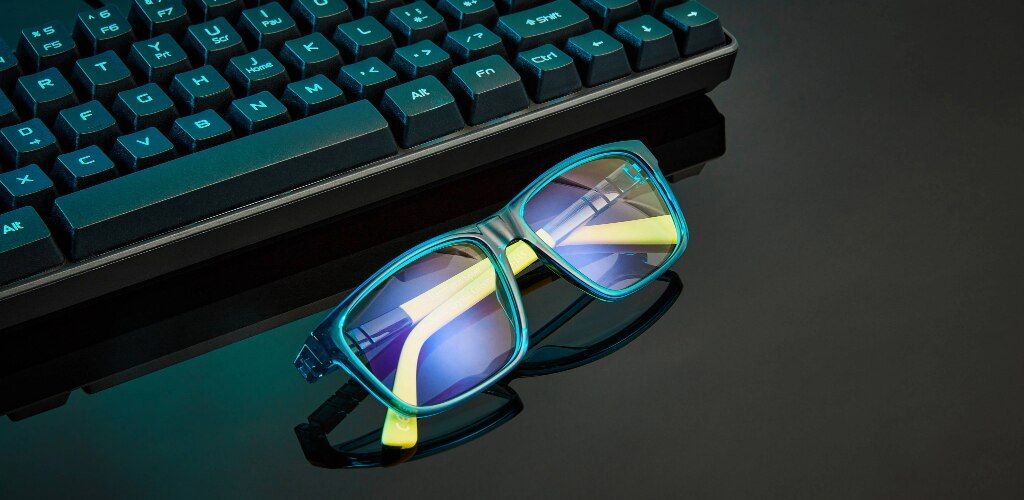
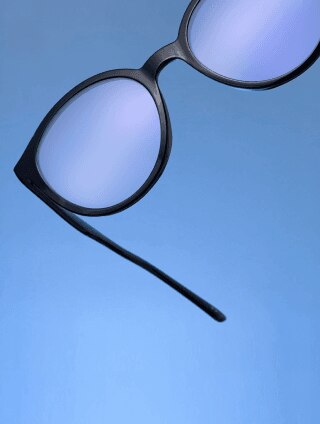
Blue light blocking lenses are designed to reduce exposure to high-energy visible light from digital devices.
They may help:
Many modern eyewear options include blue light-filtering technology, making them a practical addition for everyday eye care and helping manage the impact of blue light on eye health.
The amount of time you spend on digital screens plays a major role in how blue light affects your eyes.
These steps help manage prolonged exposure and support long-term comfort.
Blue light exposure is part of everyday life, from sunlight to smartphones and LED lighting. While it supports your circadian rhythm, too much screen time and prolonged exposure to artificial light can affect comfort, contributing to dry eyes, blurred vision, and digital eye strain.
By managing screen time, adjusting your environment, and considering blue light-filtering eyewear, you can take simple, effective steps to protect your vision long term and better manage the impact of blue light on eye health in daily life.
To prevent scratches on glasses, clean lenses with a microfibre cloth and lens cleaner, store them in a hard case, and avoid placing them lens-down. Choosing scratch-resistant coatings also helps protect against everyday wear.
Rinse lenses under lukewarm water first, then use a lens cleaner or mild soap. Clean gently with your fingers and dry with a microfibre cloth. Avoid wiping lenses when dry, as this can cause scratches.
A microfibre cloth is the best option for cleaning glasses. It’s designed to lift dirt and oils without scratching lenses or damaging coatings. Avoid tissues, paper towels, or clothing, as these can leave marks or cause fine scratches.
Yes, anti-scratch coatings help protect lenses from minor abrasions and daily wear. While not completely scratch proof, they significantly improve durability and help maintain clear vision for longer.
Scratched lenses usually cannot be repaired effectively. DIY methods like toothpaste or baking soda can worsen damage. If scratches affect your vision, an optician may recommend replacing the lenses.