







How often should you replace your glasses?
23 March 2026

Key takeaway: Most people should replace their glasses every 1–2 years, or sooner if their glasses prescription changes, lenses become scratched, or they experience eye strain, frequent headaches, or blurred vision. Regular eye exams are essential for protecting long-term eye health and ensuring clear, comfortable vision.
Your eyewear plays a central role in daily life — from reading emails and driving to working on screens. But even the highest quality prescription glasses don’t last forever. Frames loosen, lenses get scratched, and your vision naturally changes over time. Knowing when to invest in a new pair of glasses helps maintain comfort, functionality, and long-term eye care.

In general, a well-made pair typically lasts between one and two years. However, glasses lifespan can vary depending on several factors, including:
Even if your frames still look good, subtle vision changes can reduce clarity and cause unnecessary eye strain.

Here are a few key signs to look out for so you know when to get new glasses:
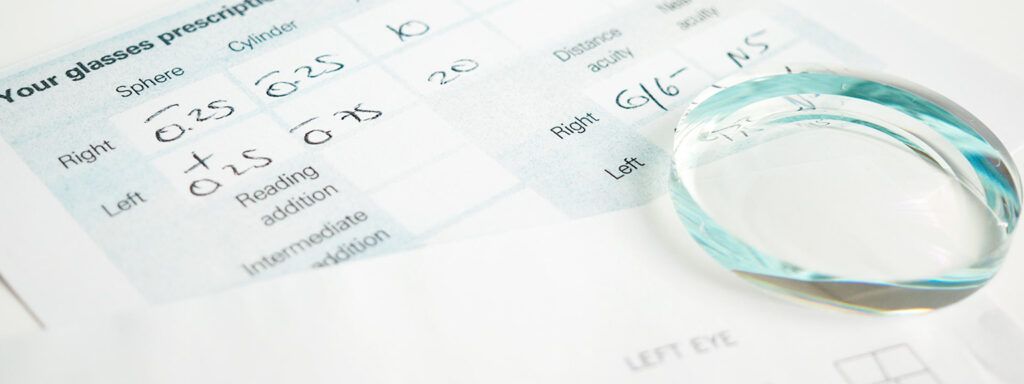
If you’ve had an eye test and received a new prescription, it’s time to update your prescription lenses.
Wearing outdated lenses can lead to:
Adults should book regular eye exams every two years, or more often if recommended by your optometrist or optician. Children and those over 60 may need more frequent check-ups.
Conditions such as presbyopia — the age-related condition focusing on close objects — often require updated lenses, including progressive lenses like bifocals or varifocals. Changing glasses lenses when you have a new prescription is the best way to protect your sight and ensure your vision stays clear and comfortable.
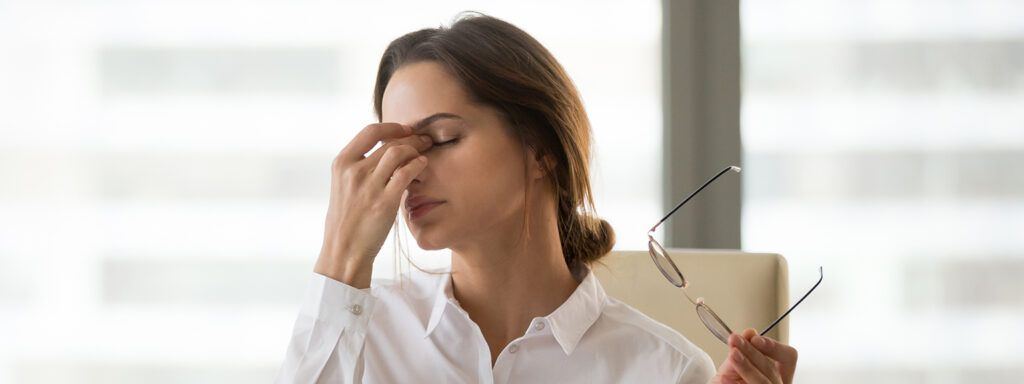
Persistent discomfort is a strong indicator that your current eyeglasses are no longer performing as they should.
Watch for:
Modern lens technology has evolved significantly.
New lenses can include:



Upgrading to new lenses can noticeably improve daily comfort.
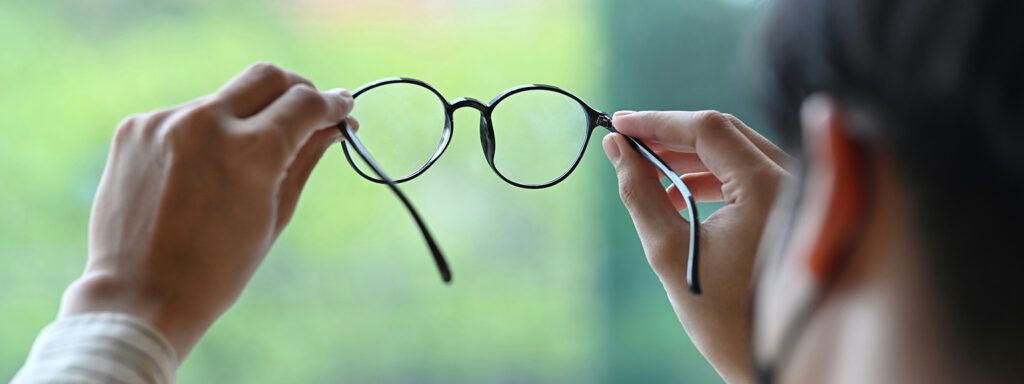
Even small marks can affect vision quality. Scratched lenses scatter light, reducing clarity and increasing eye fatigue.
Common issues include:
If your old glasses show visible signs of wear, replacing them improves both vision correction and overall appearance.
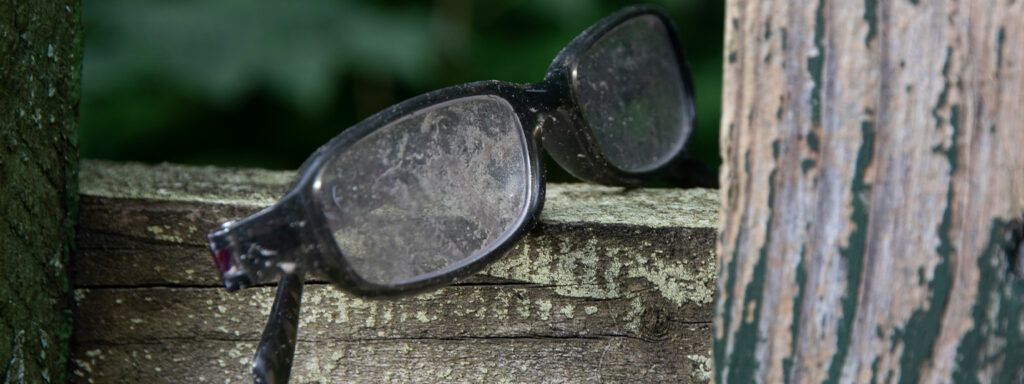
Frames endure constant handling. Over time, you may notice:
While small adjustments can extend lifespan, excessive wear and tear affects fit and comfort. A well-fitted new frame supports better lens alignment and clearer vision.

Changes in work, hobbies, or screen time can influence your eyewear needs.
For example:
A new pair tailored to your lifestyle ensures your glasses work for you — not against you.

Routine eye exams are about more than updating your prescription. They monitor overall eye health, detect early signs of conditions such as glaucoma or macular degeneration, and ensure your vision correction remains accurate.
Most optometry professionals recommend:
Skipping check-ups can mean missing subtle changes that gradually affect daily life.

Sometimes, yes. If your frames are still in excellent condition, your optician may recommend fitting new prescription lenses instead of buying a completely new pair of glasses.
However, if frames are stretched or weakened, investing in new frames alongside new lenses can improve durability and comfort.

While no pair of glasses lasts forever, good care and knowing how to clean your glasses helps maintain performance.
Choosing high-quality frames and lenses from the start also improves longevity.

Wearing old glasses with an outdated prescription won’t permanently damage your eyes, but it can:
Clear, accurate vision supports productivity, safety, and wellbeing. Updating your eyewear when needed keeps daily life running smoothly.

Yes — if your prescription changes, you should replace your prescription sunglasses at the same time as your regular glasses.
Prescription sunglasses use the same vision correction as your everyday eyeglasses. If you’ve received a new prescription after an eye exam, continuing to wear outdated sunglass lenses can cause blurred vision, eye strain, and frequent headaches — particularly when driving.
Even if your prescription hasn’t changed, you may still need a new pair if:
As a rule, prescription sunglasses should be reviewed every 1–2 years alongside your regular eye exams to ensure clear vision, proper UV protection, and reliable everyday functionality.

Most people should replace their glasses every one to two years, aligned with their regular eye exams. However, you may need a new pair of glasses sooner if you experience:
Your glasses are an essential part of your everyday routine. Keeping your prescription glasses current ensures clear vision, better comfort, and continued support for long-term eye health.
If it’s been a while since your last eye exam, or you’ve noticed signs of vision changes, now may be the right time to book a check-up and considering investing in a new pair designed to suit not only your needs, but also your personal style.
At Glasses Direct, you can discover high-quality frames, advanced lens options, and flexible choices tailored to your prescription — helping you see clearly and confidently every day.