









Picture this: you step outside on a crisp winter morning and, within seconds, your lenses cloud over. Sound familiar? If you wear glasses, you’ll know the struggle — foggy glasses are one of winter’s biggest annoyances, especially in the UK’s cold, damp air.
But don’t worry, with a few simple life hacks, you can keep your prescription lenses fog-free and your vision crystal clear, whatever the weather. From smart eyewear choices to quick fixes like anti-fog spray, discover our top tips on how to stop glasses from fogging up this winter.
Why do glasses fog up?
When warm, moist air from your breath meets the cold surface of your glasses’ lenses, it condenses into tiny droplets — that’s the “fog” you see. It happens most often when:
- You move between cold outdoor air and warm indoor spaces
- You wear a face mask or scarf that directs your warm breath upwards
- Your body temperature rises after a workout or hot shower
Essentially, it’s all about temperature and moisture — and with a few adjustments, you can keep it under control.

Quick fixes for foggy glasses:
If you’re wondering how to stop lenses from fogging up, start with these easy fixes:

Adjust your scarf or face mask for a snug fit
When wrapping up against the cold, make sure your face covering — whether it’s a mask or a scarf — fits closely around your nose and cheeks. A secure fit helps redirect your warm breath downward, rather than up toward your glasses’ lenses.
😷 Pro tip: Add a small piece of medical tape along the top of your mask or choose a mask with a flexible nose wire for a secure seal.


Keep your lenses clean
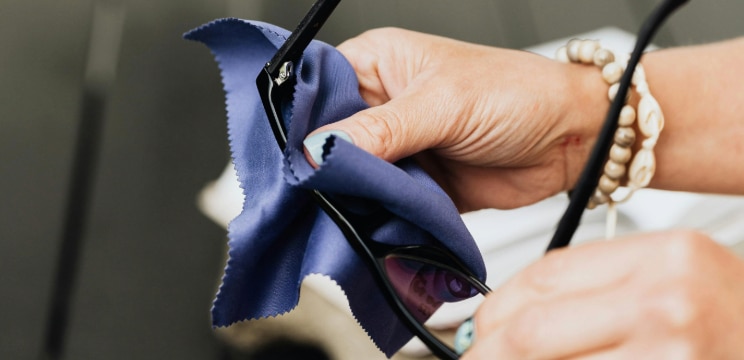
Clean lenses are much better at resisting fog. Clean your glasses regularly with lens cleaner, or a lotion-free dish soap and warm water, then dry them gently with a lint-free cleaning cloth.
🧼 Avoid: touching lenses with your fingers — oils from your skin and skincare products, like hand cream, can leave smudges that attract moisture.
Store your glasses in their case (facing upwards) when not in use to keep them clean and protected.


Use anti-fog spray for glasses
One of the easiest fixes for how to stop glasses from fogging is to treat your lenses with anti-fog spray or wipes. These specialist anti-fog products are safe and effective, leaving a clear, invisible layer that prevents water droplets from forming.
How to apply:
- Clean your lenses with a microfibre cloth thoroughly first
- Apply the anti-fog wipe or spray evenly across both lenses
- Let them dry completely before wearing
- Enjoy fog-free visibility
Reapply regularly — especially if you’re out in damp weather every day.
❗ Do not use: Household products like toothpaste, shaving cream, or shaving foam on your glasses. Although they’re sometimes suggested as DIY anti-fog fixes, they contain abrasive or oily ingredients that can damage lens coatings, such as anti-reflective or scratch-resistant layers, leaving your lenses cloudy or streaky.
Smart habits to stop glasses fogging in the cold weather
Simple everyday habits can go a long way in keeping your glasses clear when temperatures drop.

Let your glasses adjust to the temperature
During the winter months, when you move from the cold air into a warm room, the sudden temperature change makes your glasses fog up almost instantly. Take off your glasses for a moment and let them adjust naturally.
If your lenses fog up when you go outside, try cooling your glasses slightly before stepping out. Leave them for a few minutes in the car or find a cool spot in your house.
⚠️ Avoid: putting your prescription glasses in the fridge or using direct heat like a hairdryer, which can damage your lens coatings.


Cover up your hot drinks
In cold weather, nothing hits the spot quite like a hot cup of tea, coffee, or hot chocolate. Unfortunately, this can create a bit of a dilemma for glasses wearers when hot steam rises from the cup, leading to foggy lenses. This doesn’t mean, however, that you have to sacrifice your favourite hot beverages, just make sure you keep the lid on takeaway cups or take smaller sips to avoid the warm air hitting your glasses directly.
☕ Tip: Angle your cup slightly away from your face when you drink — it makes a surprising difference!

Choose frames and lenses that help:
The right frame shape and lens coating can make a big difference in keeping your glasses clear and comfortable all winter long.

Choose frames with better airflow
If your eyeglasses sit too close to your face, warm air can get trapped behind your lenses. Instead, choose frames with enough space to allow ventilation. Try:
- Rimless and semi-rimless glasses — minimal styles that maximise airflow
- Frames with adjustable nose pads — for a comfortable, tailored fit
- Oversized glasses — sit further from the face so air can circulate better
- Sports eyewear or ski goggles — like Oakley, often designed with built-in ventilation
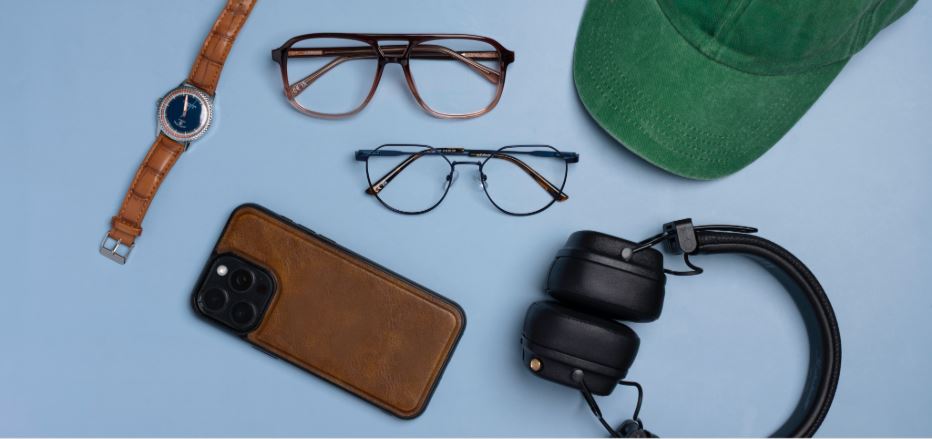

Choose the ideal lenses for your lifestyle
While Glasses Direct doesn’t offer anti-fog lenses, we do provide a range of premium lens packages, including KODAK Lenses with coatings that improve clarity and comfort in all weather. Choose from:
- Anti-reflective coatings — reduce glare from winter light
- Blue light protection — ideal for screen-heavy days
- Scratch-resistant or water-repellent coatings — lens surface stays cleaner and clearer for longer
If fogging continues to be an issue, consider contact lenses during winter for fog-free vision. Don’t forget to keep eye drops handy if you’re prone to dry eyes in colder air.

Stay clear, stay comfortable
Foggy glasses don’t have to be part of your winter routine. With a few small adjustments and the right eyewear, you can enjoy crystal-clear, comfortable vision no matter how cold or damp it gets.
See clearly, whatever the weather with Glasses Direct — and remember, knowing how to stop glasses from fogging can make every chilly day that little bit clearer.