









Digital eye strain in summer: is it worse?
26 June 2026

In short: Digital eye strain tends to get worse in summer. Brighter light, increased glare, dry air and more time on screens outdoors all put extra pressure on your eyes — making symptoms like dryness, fatigue and sensitivity harder to ignore. The good news is that a few simple changes to your habits and eyewear can make a real difference.


Digital eye strain — sometimes called computer vision syndrome — describes a group of symptoms that build up after prolonged screen use in poor visual conditions.
Common digital eye strain symptoms:
Symptoms often worsen throughout the day, especially when screen time is high and breaks are few.
For many people, yes. Summer conditions make your eyes work harder — and that extra effort shows up as more noticeable discomfort.

Bright sunlight increases reflections on screens. Your eyes constantly adjust between light levels, which adds to visual fatigue over time.
Working from a garden, café or park means dealing with uncontrolled light. Glare, reflections and shifting brightness all make it harder to focus comfortably.
Warm temperatures, air conditioning and fans increase tear evaporation, leaving eyes feeling dry and irritated. As moisture levels drop, fatigue and strain tend to follow.
Later sunsets often mean more time on phones, tablets and laptops into the evening — adding to overall screen exposure.

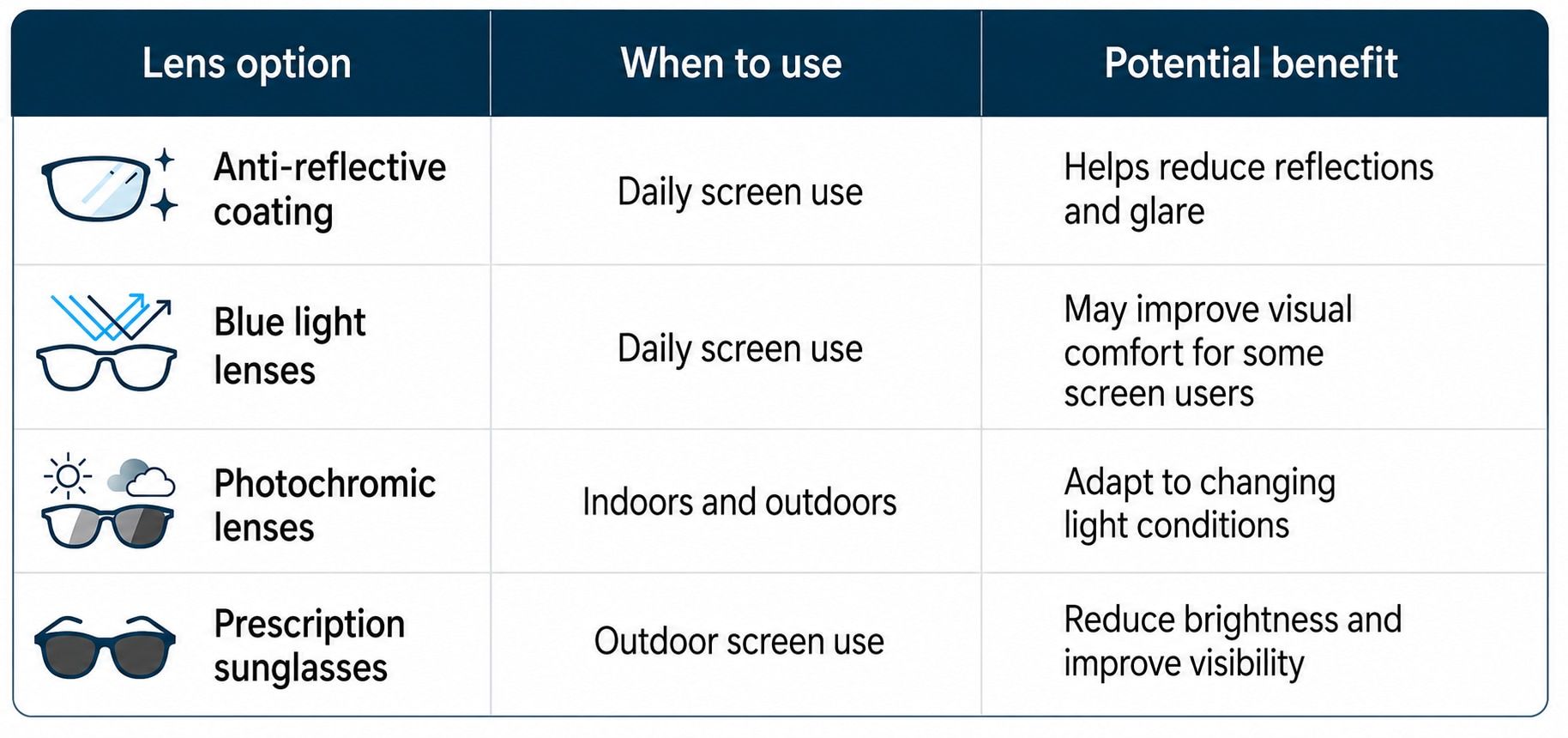
The right lenses can make a genuine difference to screen comfort in summer. Here’s what to consider:
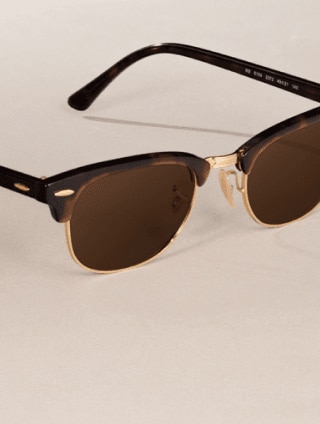
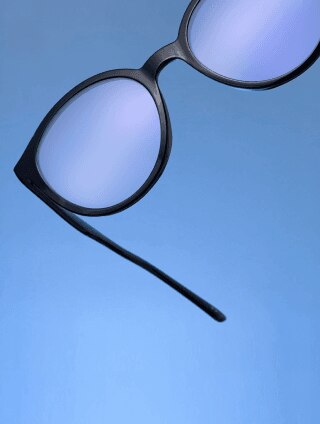
Explore anti-reflective coatings, photochromic lenses, blue light glasses and prescription sunglasses at Glasses Direct to find the option that fits your routine.
%20Anti-reflective%20coating%20%E2%80%94%20daily%20screen%20use%20%E2%80%94%20helps%20reduce%20reflections%20and%20glare%3B%20(2)%20Blue%20light%20lenses%20%E2%80%94%20daily%20screen%20us)
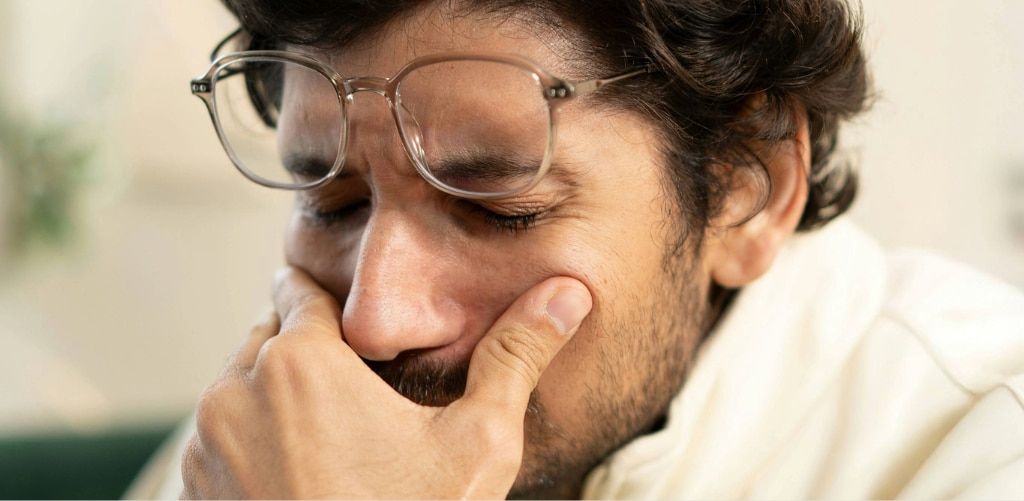
Small adjustments to your environment and habits can make screen use significantly more comfortable. These practical eye strain remedies can help:


A widely recommended optician’s tip, the 20-20-20 rule is one of the simplest ways to reduce screen fatigue.
Every 20 minutes, look at something 20 feet away for at least 20 seconds. It gives your eyes a chance to relax and refocus.

💧 Best eye drops for digital eye strain: Look for preservative-free artificial tears, which maintain moisture and improve comfort.


Building better habits now can reduce strain well beyond the summer months.


Digital eye strain usually improves with better habits and the right eyewear. But if symptoms persist or worsen, it’s worth booking an eye test.
Watch out for:
Your prescription, lens type or general eye health may need a closer look.
For many people, yes. Brighter sunlight, increased screen glare and drier air — from heat or air conditioning — all make your eyes work harder. Symptoms like dryness, fatigue and light sensitivity tend to become more noticeable as a result.
Bright sunlight creates glare and reflections on screens that your eyes have to constantly compensate for. Combined with shifting light levels and changes in focus, outdoor screen use is significantly more demanding than working in a controlled indoor environment.
A few simple steps can help:
Yes — the right lenses can make a real difference. Anti-reflective coatings reduce glare, photochromic lenses adapt to changing light and prescription sunglasses improve outdoor visibility. Blue light-filtering lenses may also improve comfort during long screen sessions.