








When to replace glasses: signs and tips
7 May 2026

Summary: Most people should replace their glasses every 1–2 years, or sooner if you notice blurry vision, frequent headaches, or visible damage like scratched lenses. Regular eye exams and paying attention to small vision changes help maintain clear vision and protect your eye health.
Your eyewear plays a key role in your daily life, from screen time at work to driving and reading. Over time, even high-quality prescription glasses can stop performing as they should.
Small changes in your vision needs or wear and tear on your frames can affect comfort and clarity. Wearing outdated eyeglasses can lead to eye strain, squinting, and even frequent headaches. That’s why knowing when to replace glasses is essential for maintaining clear vision and long-term eye health.
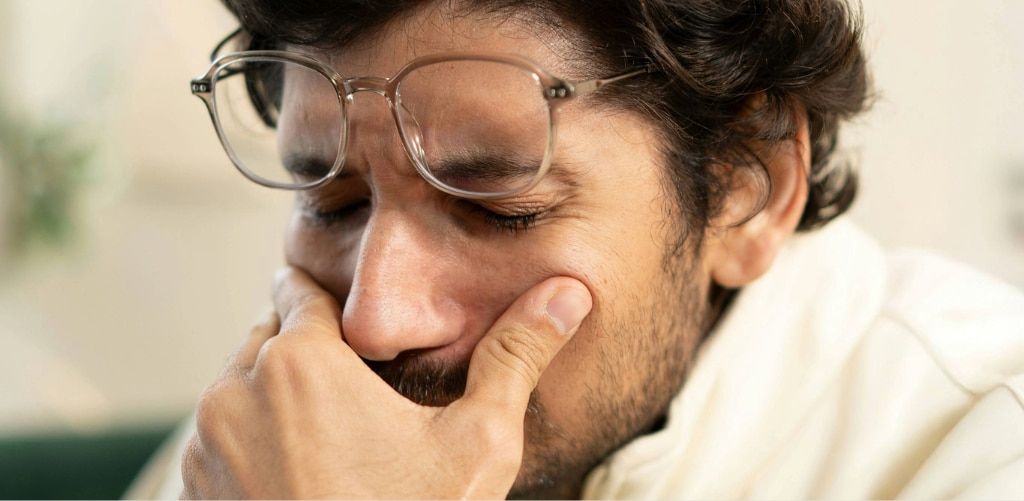
Frequent headaches are one of the most common signs that your prescription glasses are no longer correct. If your eyes are working harder to focus, you may notice:
These symptoms often point to prescription changes. An updated eye test can confirm whether you need a new prescription.
Blue light exposure from screens can also make discomfort worse. Lens coatings such as anti-reflective coatings or blue light filters can help reduce strain in daily use.
Even if your prescription is still correct, damaged eyewear can affect performance.
Look out for:
Scratched lenses can scatter light and reduce clear vision, especially in bright conditions. Over time, this can contribute to eye strain and fatigue.
If your glasses show visible wear and tear, replacing them with a new pair of glasses is often the best option.
Blurry vision is a clear signal when considering when to replace eyeglasses.
You may notice:
Blurred vision often develops gradually, which makes it easy to ignore. However, even small vision changes can affect your safety and comfort.
Regular eye exams help detect these changes early and ensure your vision correction stays accurate.
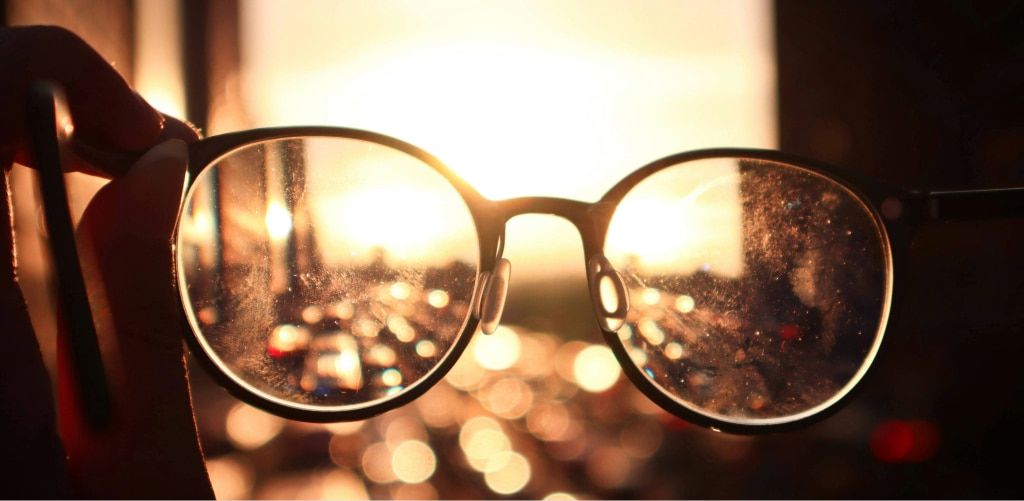
Your daily routine plays a big role in when to replace glasses.
If you wear your eyeglasses all day, they are more exposed to:
This can shorten the lifespan of your frames and lenses. For example, leaving glasses in a hot car can damage lens coatings and warp frames.
If you switch between prescription glasses and contact lenses, your glasses may last longer, but you should still monitor for signs of wear.
Your vision can change over time, even if it feels stable day to day.
Regular eye exams (typically every 1–2 years) help your optometrist track:
If your prescription changes, updating your lenses is essential for maintaining clear vision and avoiding unnecessary strain.
High-quality frames and lens coatings can extend how long your glasses last, but they are not immune to ageing.
Premium features such as:
These can improve durability, comfort, and help extend lifespan. However, over time, coatings can degrade, and materials can weaken. This is another factor in deciding when to replace eyeglasses, especially if clarity starts to drop.
Investing in high-quality eyewear helps, but it doesn’t remove the need for regular check-ups and updates.
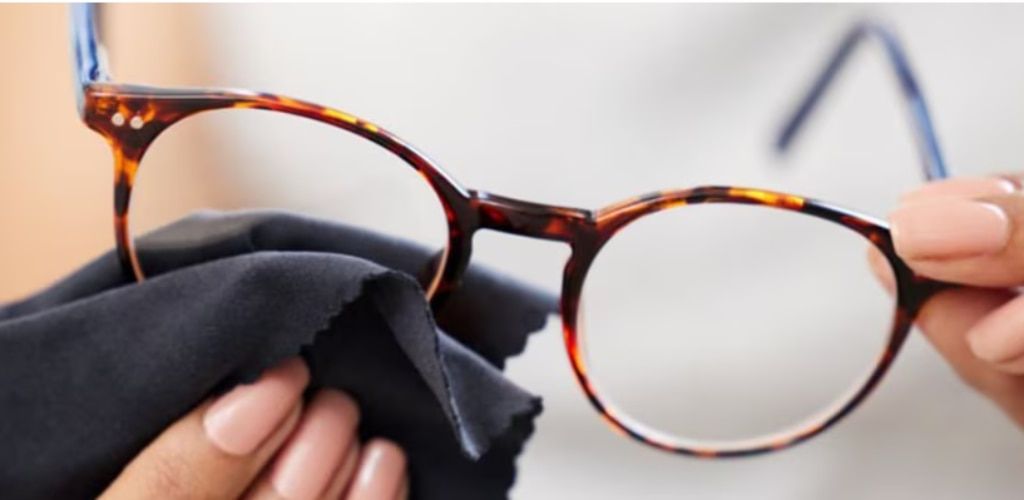
Cleaning your lenses correctly helps prevent scratches and keeps your vision clear.
Follow these simple steps:
Poor cleaning habits are one of the main causes of scratched lenses.
How you store your glasses matters just as much as how you clean them.
To reduce wear and tear:
Simple habits can significantly extend the lifespan of your eyewear.
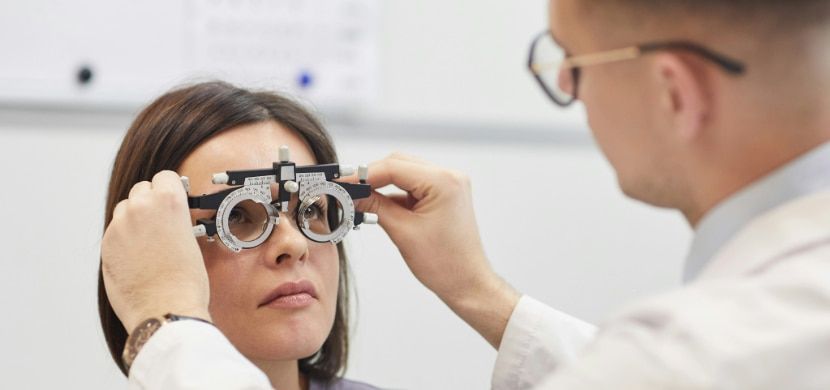
If you’re unsure when to replace glasses, a professional check-up is the most reliable step.
Book an eye test if you notice:
An optician can carry out a full eye exam and recommend whether you need new frames, new lenses, or adjustments to your current pair.
Regular eye care is not just about vision correction. It also helps protect your long-term eye health.
Knowing when to replace safety glasses is just as important, especially in work environments.
Replace them if you notice:
Clear vision is critical for safety, so do not delay replacing protective eyewear when it shows signs of damage.
Replacing your glasses at the right time helps you maintain clear vision, reduce eye strain, and stay comfortable throughout your daily life.
Watch for early signs like blurred vision, headaches, or scratched lenses. Combine this with regular eye exams and good eyewear care habits to get the most from your glasses.
If you think your current pair is no longer meeting your needs, it may be time to explore a new pair of glasses or update your prescription.

Most people need a new pair of glasses every 1–2 years, depending on prescription changes and wear.
Yes. Scratched lenses can reduce clarity and increase eye strain, especially in bright light.
Yes. An eye exam ensures your prescription is up to date and suited to your current vision needs.
In many cases, yes. If your frames are still in good condition, new lenses can be fitted.
If you spend time outdoors, prescription sunglasses with UV protection can improve comfort and protect your eyes.