





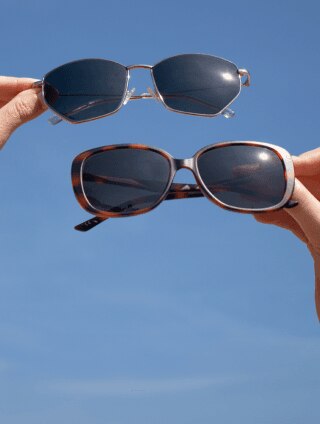
How to style sports glasses: the complete guide
19 June 2026

In summary: Modern sports glasses work beyond the gym or the track. The right pair — chosen for face shape, lens type and frame design — can move naturally between active wear and everyday life. This guide covers how to choose and style them with confidence.
Who this is for: Anyone curious about wearing sports-inspired frames as part of their everyday wardrobe, whether or not they’re actually heading somewhere sporty.


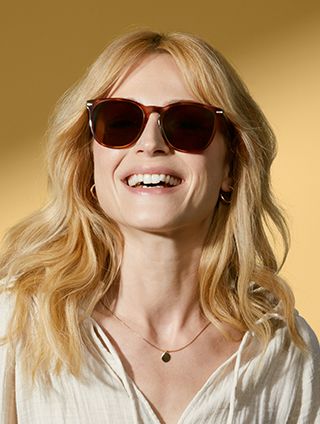
The best sports glasses today are built for performance and designed to be worn. Lightweight materials, wraparound fits and bold silhouettes have crossed over from track to street — sitting naturally alongside casual and athleisure outfits without looking like you’ve just left a race.
What makes them genuinely versatile is the detail beneath the styling. Polycarbonate lenses resist impact and scratches. Photochromic lenses adjust to changing light — useful whether you’re cycling to work or walking between meetings. Secure nose pads and wraparound designs keep them comfortable all day, not just during exercise. And anti-fog ventilation maintains clear vision in cold or humid conditions.
These aren’t just technical features. They’re the reason sports frames feel different to wear — and why more people are choosing them beyond sport.

Fit comes first. A frame that suits your face shape will look more intentional and feel more comfortable to wear all day.
If you want something bolder, oversized wraparound styles make a statement. For a more understated look, slimmer rectangular sports frames sit closer to everyday eyewear territory.
Sports frames aren’t all the same — and the right pair depends on your lifestyle, not just your workout.
If you need vision correction, prescription sports glasses are available at Glasses Direct across all frame styles, including varifocal lenses for more complex prescriptions.
The lens you choose changes how your sports glasses perform — and how they look.

The key to wearing sports frames casually is balance. Bold frames work best with simpler outfits. Understated frames can carry more going on around them.
The most natural pairing. Joggers, fitted tees, oversized hoodies and trainers all sit comfortably alongside wraparound or rectangular sports frames. Keep the rest of the look clean and let the frames do the work.
Denim, relaxed fits and simple knitwear work surprisingly well with sporty silhouettes — particularly if the frame is in a neutral tone like matte black, gunmetal or dark tortoiseshell. The contrast between relaxed clothing and a performance frame feels considered rather than mismatched.
Slimmer sports-inspired frames — particularly rectangular metal styles — can edge into smart casual territory. Pair with chinos, a clean shirt or a minimal jacket. Avoid overly technical designs with chunky temple systems if the look needs to feel polished.
Wearing highly technical wraparound designs with formal outfits rarely lands well. If the frame reads as purely functional rather than stylish, it’s worth choosing something with a cleaner silhouette for more dressed-up occasions.
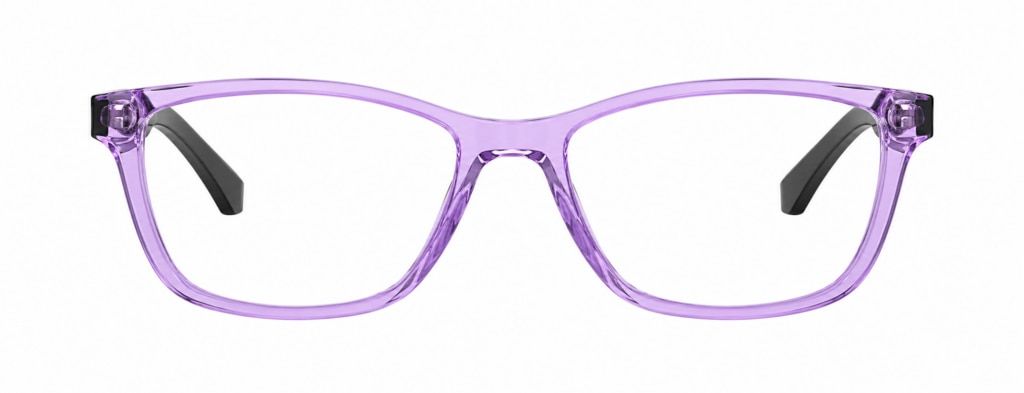
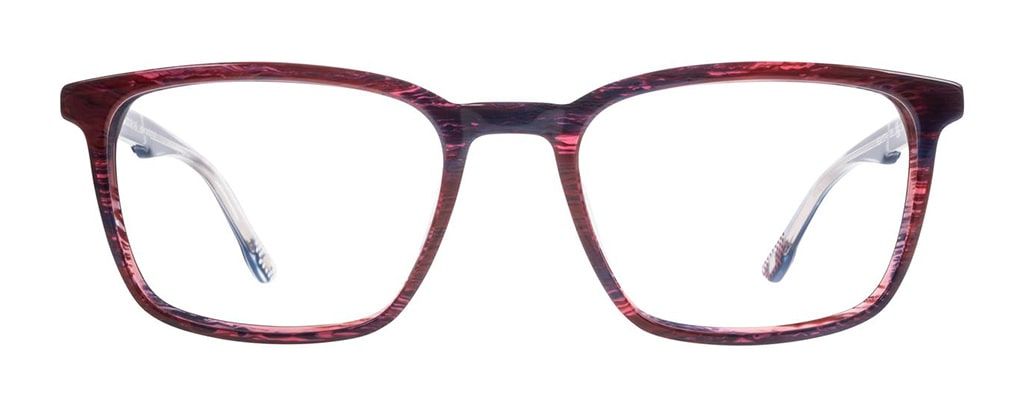
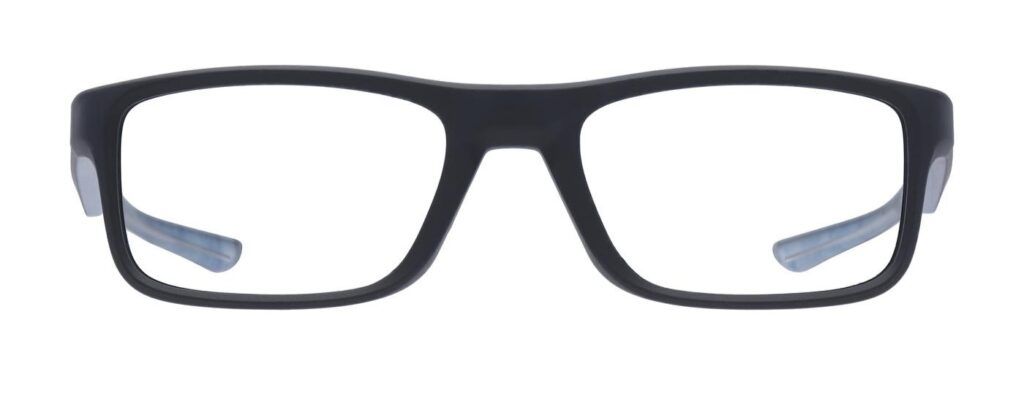
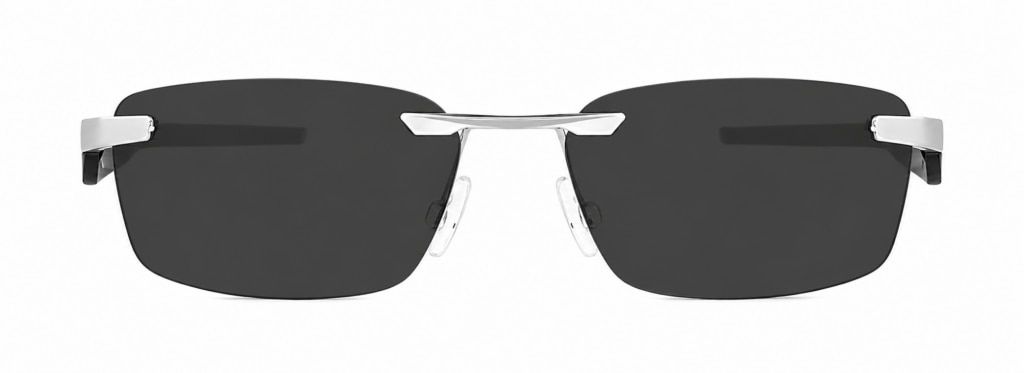
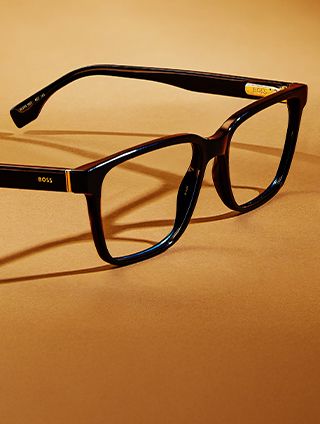
These frames from the Glasses Direct range combine performance features with everyday wearability:


| Feature | Sports glasses | Everyday eyewear |
|---|---|---|
| Material | Polycarbonate, impact-resistant | Standard plastic or metal |
| Fit | Wraparound, secure nose pads | Standard fit |
| Lenses | Photochromic, polarised, scratch-resistant | Standard, blue light |
| Best for | Active wear and casual daily use | Everyday life |
| Style | Bold, sporty silhouettes | Classic and minimal |
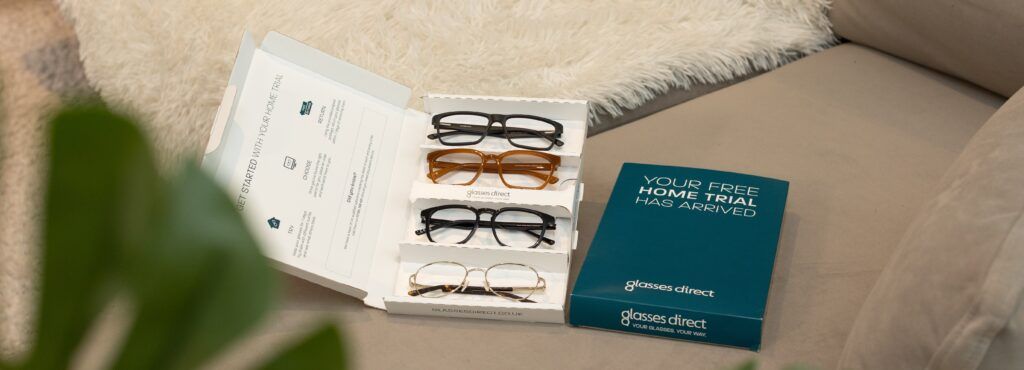
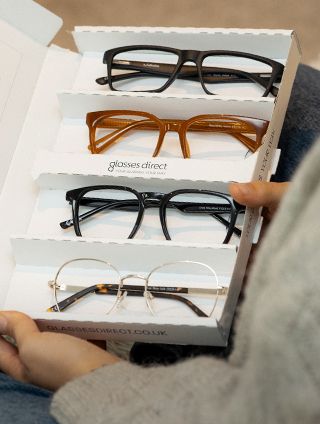
Not sure which sports frames suit your face shape and lifestyle? With Glasses Direct’s free Home Trial, you can choose up to four frames and try them at home for seven days — before spending anything on lenses.
It’s a straightforward way to find what actually works before you commit.
Styling sports glasses is about blending performance with personality. Focus on fit, choose features that match your lifestyle, and pair them with relaxed, sporty outfits. Done right, your eyewear becomes more than gear — it becomes part of your everyday style. From sporty running glasses to dynamic cycling eyewear, find your perfect pair with Glasses Direct.
Yes. Many modern sports frames are designed with everyday wear in mind — lightweight, comfortable and styled to work beyond the gym. The key is choosing a frame with a clean enough silhouette to suit casual dressing, rather than a highly technical wraparound design that reads as purely functional.
Yes. All sports frame styles at Glasses Direct are available with prescription lenses, including single-vision, bifocal and varifocal options. If you need vision correction for an active lifestyle, prescription sports glasses remove the need to choose between clear vision and performance eyewear.
Photochromic lenses are the most practical all-day choice — they adjust automatically between indoor and outdoor light conditions. Polarised lenses are the better option if you spend significant time driving or near water, where glare reduction matters most.
Oval face shapes suit most wraparound styles. Round faces benefit from the structure that angular wraparound frames provide. Square faces work well with curved silhouettes that soften stronger features. Heart-shaped faces are better suited to lighter or semi-rimless designs.
Athleisure and casual dressing — joggers, trainers, denim, relaxed knitwear — pair most naturally with sports frames. Neutral-toned frames in matte black, gunmetal or dark tortoiseshell are the most versatile across different outfit combinations.
Glasses Direct’s sports sunglasses include UV400 protection, which blocks 100% of UVA and UVB rays. Always confirm UV protection is included at the point of purchase, particularly for frames marketed primarily as fashion styles.
Polarised lenses have a fixed tint that reduces glare from reflective surfaces — best for driving, water sports and bright outdoor conditions. Photochromic lenses have no fixed tint — they darken in sunlight and clear indoors, making them a more flexible all-day choice.