







Survival guide: how to relieve the symptoms of eye allergies
21 April 2025

Ah, the joys of spring! A time of year when the flowers are in full bloom and the sun is shining bright. Yet, for many of us, our everyday life throughout this season becomes much less enjoyable due to the uncomfortable symptoms of eye allergies. As pollen hits the air, the sneezing and itchy eyes begin to take hold. It becomes a real nuisance, especially when all you want is to get outdoors and enjoy some sunshine. If your eyes get red, watery, or swollen, you’re not alone. Millions of people experience seasonal eye allergies or irritation and while there’s no magic cure, there are ways to protect your eyes and get one step ahead of allergy season.

Allergies (also known as allergic conjunctivitis) can be triggered by indoor and outdoor allergens. Seasonal allergies like hay fever are an allergic reaction to airborne allergens like pollen and grass. Perennial allergic conjunctivitis is a variant caused by indoor allergens like pet dander, dust and mould spores. Keratoconjunctivitis, meanwhile, is inflammation of the cornea (the transparent front of the eye that focuses light) and the conjunctiva (the clear tissue that lines the white of the eye). Keratoconjunctivitis is caused not only by allergies but also infections and autoimmune diseases. Allergies can also be set off by irritants such as cigarette smoke, exhaust fumes and some perfumes.
When microscopic particles enter your eyes; your body’s immune system responds. The mast cells, or immune cells, release chemicals like histamine. These chemicals alert white blood cells, such as eosinophils, to quickly move to the affected area and respond to the perceived threat. The flood of white blood cells makes the small blood vessels in the conjunctiva of your eye swell and become inflamed. The result? Redness, itchiness, inflammation, puffiness and tearing.
People with seasonal allergies to pollen will be most affected during spring and summer when pollen count is high and during dry and windy weather conditions. On the other hand, for individuals that have other kinds of allergies to things like mould, dust mites and animal fur, symptoms can occur year-round whenever they are exposed to any one of their triggers.
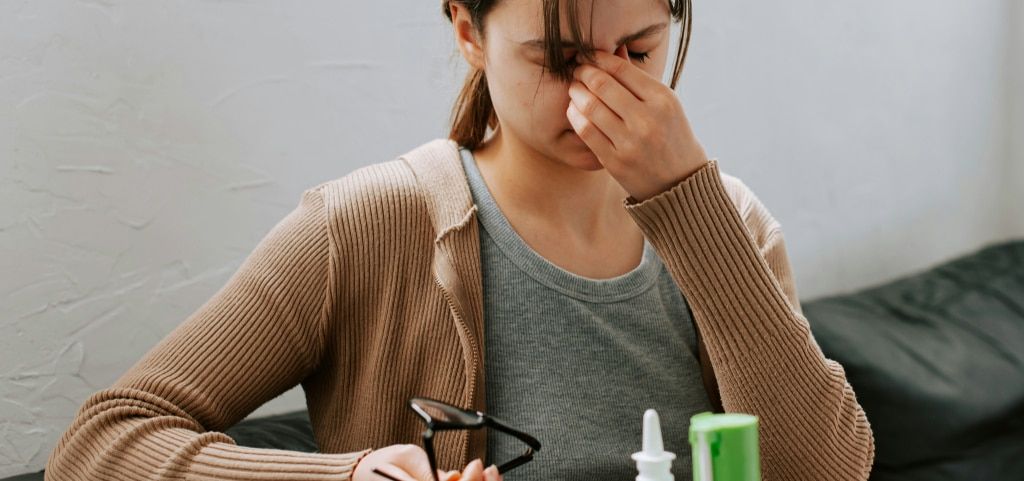
People often confuse allergies (hay fever or allergic conjunctivitis) with pink eye, a type of conjunctivitis. The truth is, they do have some similar symptoms which include red and watery eyes and a feeling of grittiness.
However, pink eye is a form of conjunctivitis caused by a virus or bacteria which spreads from one eye to the other. You may notice yellowish discharge coming from your eyes. Viral or bacterial eye infections like pink eye are highly infectious.
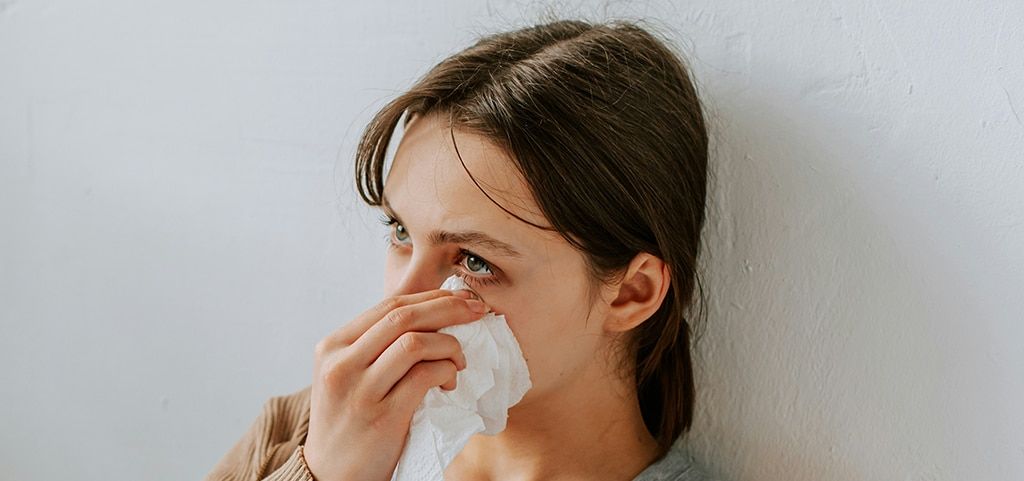
Eye allergies, on the other hand, impact both eyes at the same time. Allergies are not contagious but can be just as uncomfortable. If you’re experiencing eye allergies, you’ll notice your eyes will be intensely itchy and leak clear liquid.
Unfortunately, your eyes are especially vulnerable to symptoms of allergies because they’re constantly exposed to the surrounding environment. That’s where your eyewear comes in. Glasses or sunglasses act as a protective shield for your eyes. People often think of eyewear solely as a tool for clearer vision, when in fact, during pollen season, they serve as great protection from allergens in the air. This is how:
Physical protection: Glasses and sunglasses help block pollen dust and other particles from directly getting into your eyes.
Reduced eye rubbing: When your eyes itch, your instinct is to rub them. However, wearing eyewear will remind you to resist that urge. This is crucial, as rubbing can worsen any irritation.
Wind barrier: Wind can stir up allergens and blow them straight into your face. Your eyewear offers a shield that helps deflect some of that irritant-filled air.

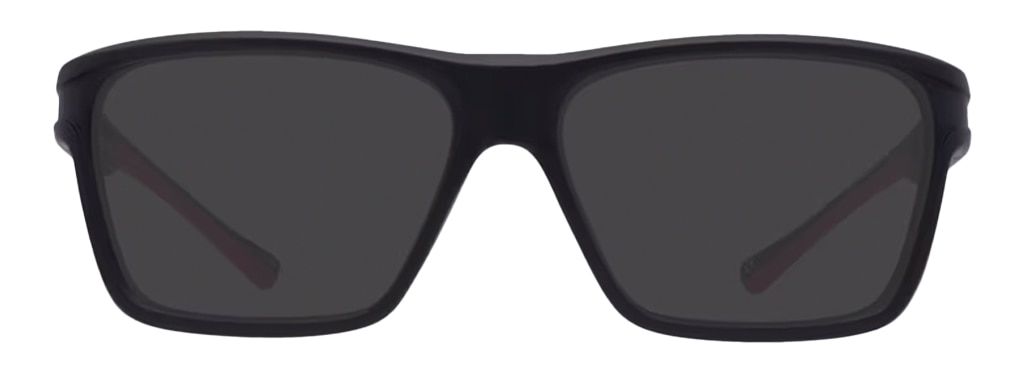
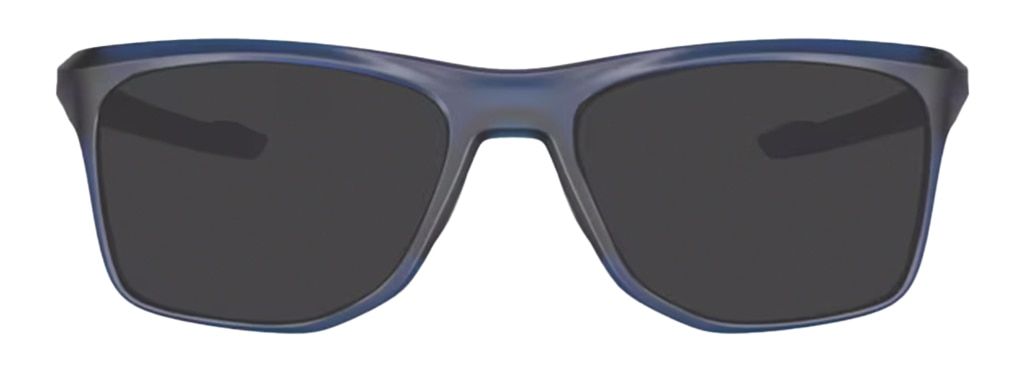
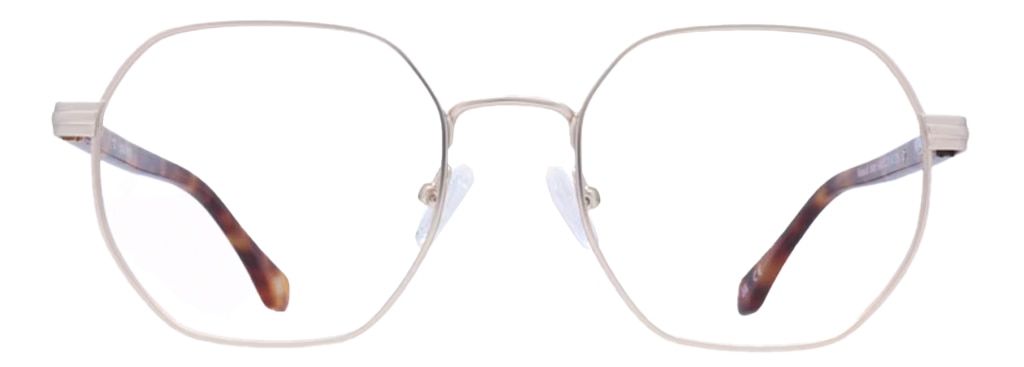
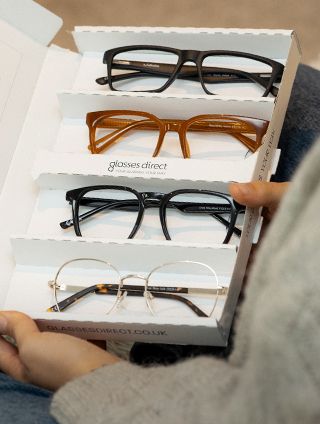
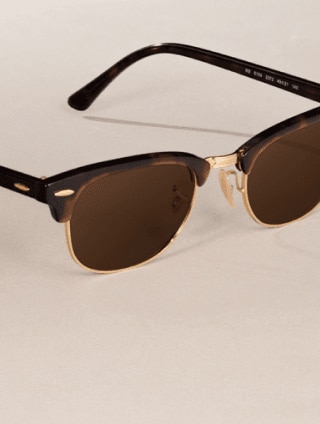
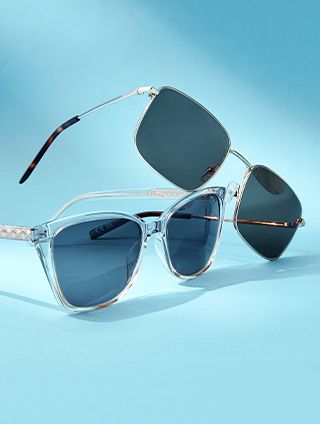
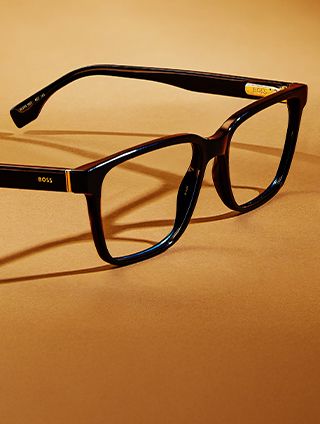
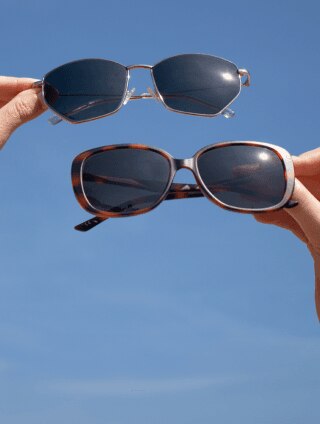
The most ideal eyewear designs for allergy season are wraparound and oversized frames. These offer maximum coverage, acting as a shield against pollen and providing the ultimate sun protection. You should also choose designs with rubber nose pads for a snug fit to reduce irritation. Here are our top eyewear recommendations for people with eye allergies:
Reduce the impact of allergens by incorporating the following steps into your routine:

Clean your glasses frequently
Pollen and dust can stick to your frames and lenses. Give your glasses a quick clean daily to prevent allergens from lingering near your eyes.

Consider a blue light filter
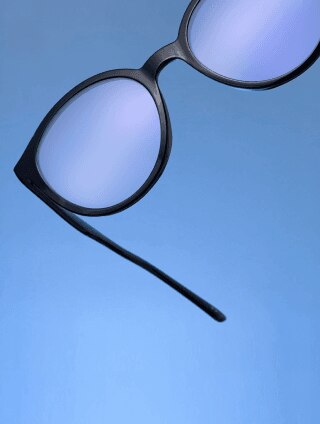
Allergies often result in tired, strained eyes. This is especially true if you’re staring at screens for long periods while rubbing them. A blue-violet light filter for your glasses can reduce digital eye fatigue and give your eyes a much-needed break.

Have a backup pair to hand
Allergy symptoms can make wearing contact lenses uncomfortable. Keep a quality pair of glasses on hand as your go-to during peak allergy days.

Use eye drops for allergies
Artificial tears will clear any allergens out and soothe dry eyes by lubricating them. Just make sure to use them before applying makeup or putting in your contacts.
Most mild eye allergy symptoms can be relieved in the short term with medicines available over the counter at your local pharmacy.

Speak to a professional
If your allergies are seriously impacting your way of life, speak to a professional, like an ophthalmologist or allergist. They will provide a blood test and/or other tests to identify the direct cause of your allergies. They should then provide you with prescription eye drops or oral medication to help ease symptoms. Antihistamine eye drops relieve itchiness and watery eyes, while steroid eye drops are prescribed to reduce inflammation. For those with more acute allergies, an allergist may also prescribe allergy shots, a type of immunotherapy.
The symptoms of eye allergies are very similar to some ocular diseases, so it is important that you are diagnosed correctly.

Contact lens wearer? Time to give your eyes a break
If you usually wear contact lenses, allergy season might be the perfect time to change up your routine. Contacts can trap pollen and other allergens on the surface of your eyes, making symptoms worse. Daily disposables are a better option than monthly lenses, but glasses are the most eye-friendly choice when pollen counts are high.