





Prescription vs non-prescription reading glasses
19 November 2026

In short: Non-prescription reading glasses use the same fixed strength in both lenses and don’t correct astigmatism. Prescription (Rx) reading glasses are tailored to the specific results of your eye test. This means each lens can have its own strength, astigmatism correction and your pupillary distance built in. Off-the-shelf readers work for occasional use when both eyes need the same help. For daily wear, or if your eyes don’t match, prescription readers are the better fit.
This guide is for you if:
When you pick a pair of readers off a pharmacy carousel, you’ve made one quiet assumption: that both your eyes need the same lens. Most of us don’t. That’s the real difference between non-prescription reading glasses and prescription reading glasses — and it often decides whether a pair feels comfortable all day, or leaves you with a dull ache by teatime.
| Prescription (Rx) reading glasses | Non-prescription reading glasses | |
|---|---|---|
| Eye test needed | Yes — made to your latest prescription | No — fixed, off-the-shelf strengths |
| Strength per eye | Can differ left to right | Always the same in both lenses (College of Optometrists) |
| Astigmatism | Corrected | Not corrected (College of Optometrists) |
| Pupillary distance (PD) | Measured and built in | Not accounted for |
| Frames and lenses | Full range, plus coatings and upgrades | Limited to ready-made styles |
| Cost | Higher — made-to-measure lenses, plus the eye test (free on the NHS if you’re eligible) | Lower — inexpensive enough to keep spares |
| Best for | Daily wear, uneven prescriptions, other refractive errors | Spare pairs, occasional reading, mild and even near-vision changes |


Presbyopia is the age-related change that makes focusing on close-up objects harder. It’s why you start holding your phone further away or squinting at the dose on a medicine label.
The College of Optometrists says presbyopia happens to everybody — even people who’ve never had a problem with their eyesight — and it usually becomes noticeable in your late 30s or early 40s. The cause is simple. The lens inside your eye stiffens with age. As it loses flexibility, it can no longer change shape as easily to focus up close.
Presbyopia isn’t a disease, but it can turn up alongside other age-related eye conditions. That’s why a regular eye test matters. It checks your eye health and confirms presbyopia is behind your symptoms. Once you know, it’s easy to correct with:

Prescription reading glasses — often called Rx reading glasses — are tailored specifically to you based on the results of your latest eye test with a qualified optometrist. They can include:
Because they match your prescription exactly, Rx reading glasses stay comfortable during long stretches of reading. They matter most if you already have another refractive error — a focusing problem such as myopia (short sight) or hyperopia (long sight).

Non-prescription reading glasses — also called ready-made or over-the-counter readers — come in fixed strengths, usually +1.00 to +3.50 dioptres. A dioptre (D) measures how strongly a lens magnifies: the higher the number, the stronger the lens. They:
The catch is that one size doesn’t fit all. The College of Optometrists’ position on ready-made spectacles explains that because both lenses are always the same power, they’ll only be right if both eyes need the same prescription and neither has astigmatism. It also notes that only just over half of the ready-made pairs studied met British and European optical standards, and stronger pairs (+3.50 and above) were more likely to have errors.
The College recommends having at least one pair made to your exact prescription and measurements, then using ready-made readers as spares. Wearing the wrong strength for hours can make your eyes feel tired or achy.
Prescription reading glasses cost more than an over-the-counter pair because you’re paying for lenses made to your measurements. The total comes down to three things:
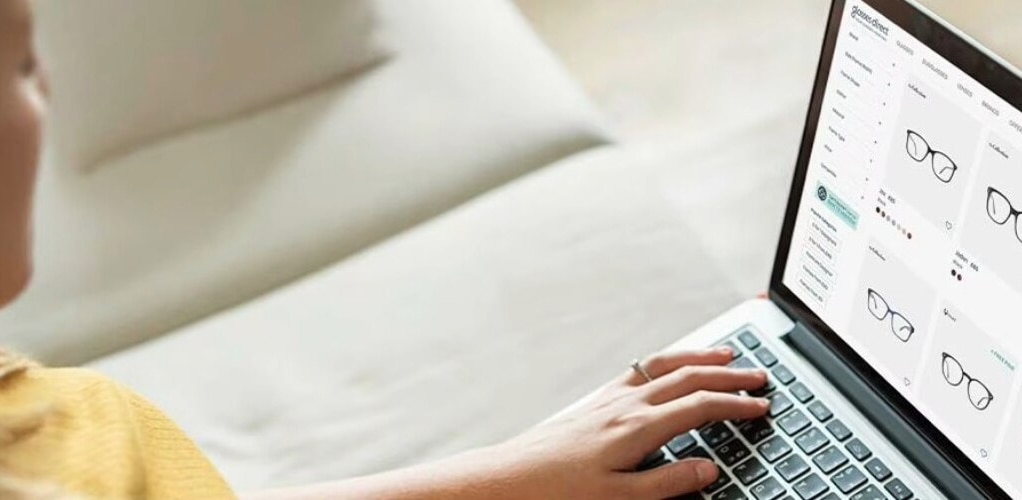
Shopping online can also lower the price. In our 2023 customer survey, Glasses Direct customers saved an average of £103 compared with their last high street purchase.
The right pair depends on how often you read and whether your eyes match. Start with an eye test — it’s the only reliable way to find your real strength. Guessing from a shelf isn’t.
The best prescription reading glasses in the UK are the ones made to an up-to-date prescription, with your PD built in and a frame that sits comfortably on your nose. The best non-prescription reading glasses meet British or European optical standards, match the strength your optometrist suggests and are kept for short reading sessions. In both cases, fit and accuracy count more than brand.

Once you have a prescription, the choosing is the fun part. Our opticians check every order, and you can:
First time reading a prescription? Our guide to understanding your eye prescription walks you through each number.
Non-prescription readers have the same fixed strength in both lenses. Prescription reading glasses are made to your exact eye test results. This means each lens can have its own strength, plus astigmatism correction and your PD.
They won’t damage your eyes, but the wrong strength can cause eye strain, tired eyes or headaches. They’re best as a spare pair after an optometrist has checked your eyes.
An eye test is the only reliable way to know. Off-the-shelf readers usually range from +1.00 to +3.50, and people tend to need a stronger lens as presbyopia progresses.
They won’t correct it, as ready-made lenses can’t. If you have astigmatism, prescription reading glasses will give clearer, more comfortable vision.
You need a valid, up-to-date prescription from an optometrist. Most online retailers will also ask for your pupillary distance.
If you read for long periods or your eyes need different strengths, yes. Lenses made to your prescription stay comfortable for longer than a one-strength rack pair.