






At a glance: Good running eyewear comes down to two things: a frame that stays put and lenses that suit where you run. Look for grippy nose pads, wraparound coverage and 100% UV protection as standard. Polarised lenses cut glare on wet roads, photochromic lenses handle changing light on trails, and lightweight titanium frames hold up well too. Eyewear from Glasses Direct covers most budgets and running styles — here’s what to look for, and why.

Why do I need eyewear for running?
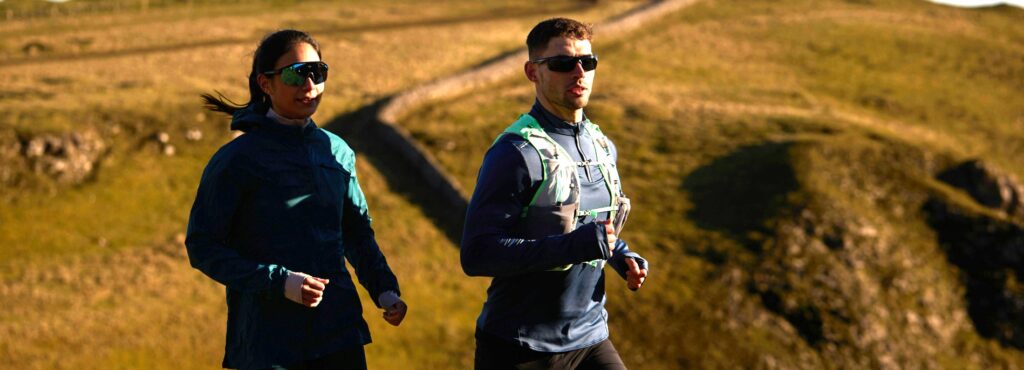
Picture this: you’re three miles into a bright morning run and the sun’s sitting low, straight in your eyes. Every puddle throws back a sheet of glare. Your glasses have crept halfway down your nose again. You push them up, lose your rhythm, and keep adjusting them for the rest of the mile. Sound familiar?
The right eyewear for running should do the opposite of all that. It should stay secure when you’re on the move. It should also cut glare, filter UV, and feel like it disappears on your face. As we explore later, that comes down to fit and lens choice, not looks — here’s what separates good running sunglasses from a pair that just looks sporty. Plus, the frames at Glasses Direct that are worth a runner’s attention.
What eyewear for running has to get right
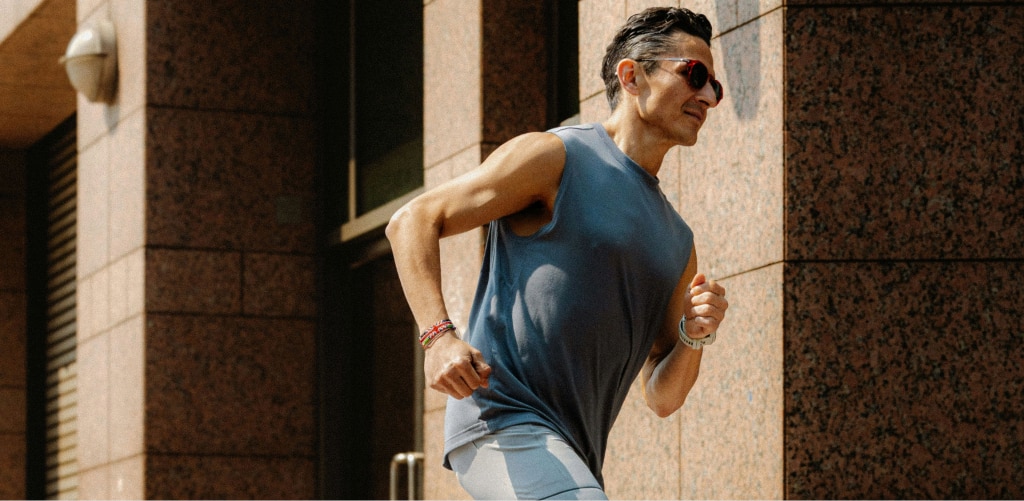
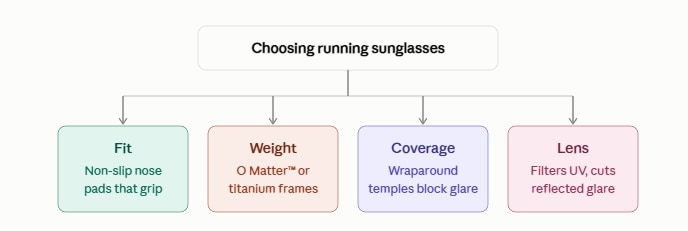
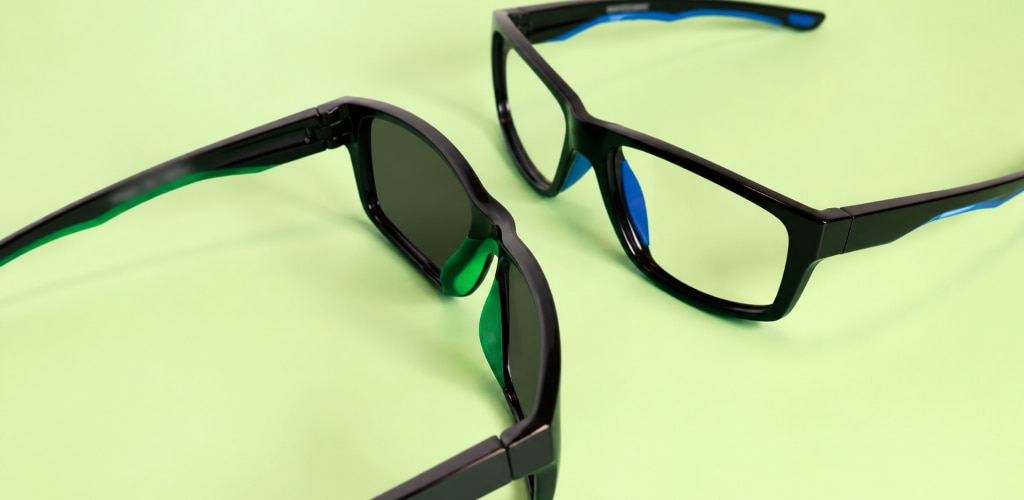
Ask a runner what ruins a pair of sunglasses, and you’ll hear the same complaints: they bounce, they fog, they slide down a sweaty nose by mile four. This is why fit comes first when you’re choosing running eyewear. Non-slip nose pads keep the frame still, and temple tips grip behind your ears — this is where a proper sports brand earns its keep.
The Oakley® Hex Jector, for example, uses what Oakley® calls TruBridge Sport Unobtainium® nose pads. They’re made of rubbery material designed to hold steady through high-energy sport, gripping rather than slipping as you sweat.
Weight is the next thing you notice over a long run. Frames made with O Matter™ (the flexible, stress-resistant material behind most of Oakley®’s sports range) sit so lightly that you stop registering them. Lightweight titanium frames do the same job.
Then there’s coverage: wraparound temples curve the lens around the sides of your face, so low sun, wind and grit can’t sneak in at the edges. The lens itself needs to do more than dim the view — it should filter UV rays and cut the harsh, reflected light that makes you narrow your eyes on an open road.
Polarised, tinted, or photochromic: your lens matters more than the frame
The frame keeps the lens on your face, but the lens is what separates standard sunglasses from good running sunglasses — it decides what you actually see. Most sunglass lenses are rated by VLT (Visible Light Transmission, the share of light they let through). Under the EN ISO 12312-1 filter-category standard, this runs from around 80% for a barely-there tint down to under 18% for a genuinely dark lens. Category 3 sits in the middle and is the most common — our standard dark sunglasses tints fall into this category, filtering out around 75% of light while still giving 100% UV protection. They come in brown, grey and green, and suit everyday wear.
A neutral grey or brown tint is a safe all-rounder for British skies. It reduces brightness without skewing the colours on the road ahead.
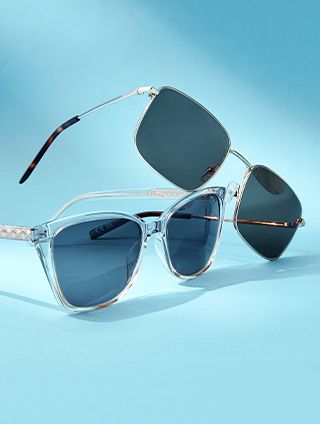
Polarised lenses go a step further. They filter the horizontal glare that bounces off flat, wet surfaces: tarmac after rain, puddles, canal paths, the seafront. That’s the light that has you squinting on a road run, so cutting it reduces eye strain and keeps you focused on the road ahead rather than the glare.
Off-road, though, there’s a catch. As 220 Triathlon notes, that same filtering can flatten the glint that reveals a wet rock or a raised root, making it harder to judge changes in terrain. That’s why plenty of trail runners skip polarised lenses on technical ground.
When the light keeps changing — an early start, a shaded woodland loop — photochromic lenses handle it. They darken in bright light and clear again in shade, all in one lens, so you’re not swapping glasses mid-run.
| Lens type | What it does | Best for |
| Neutral tint | Cuts brightness evenly, keeps colours true | Everyday road running under changeable skies |
| Polarised | Filters glare bouncing off wet, flat surfaces | Road, canal-path, and seafront runs after rain |
| Photochromic | Darkens and clears as the light changes | Early starts and shaded woodland trails |
| Mirrored | A reflective coating over a tint for very bright light | High, exposed routes and midsummer glare |
The frames we’d recommend
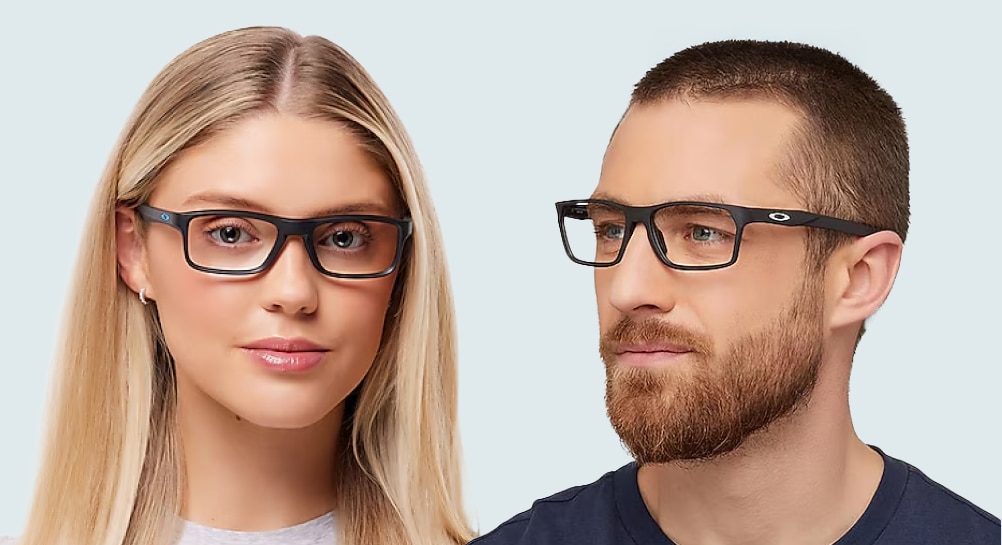
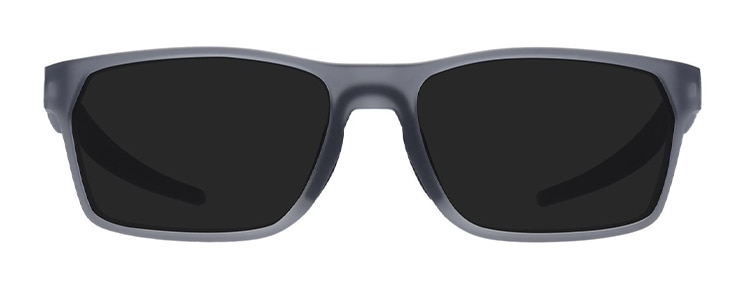
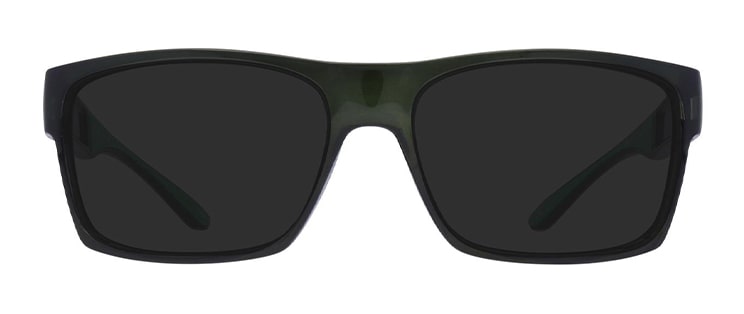
Run mostly on wet pavements and into low winter sun? Grip and glare matter most, and Oakley®’s durable O Matter ™ frames are built for that. The Oakley® Hex Jector is the one we’d hand a road runner first — rectangular, sturdy and lightweight, held on by non-slip retention nose pads. For fuller coverage on fast, exposed miles, the Oakley® Futurity RS is squarer and more enveloping, made with the same hard-wearing O Matter™ and finished with non-slip pads that stay put.
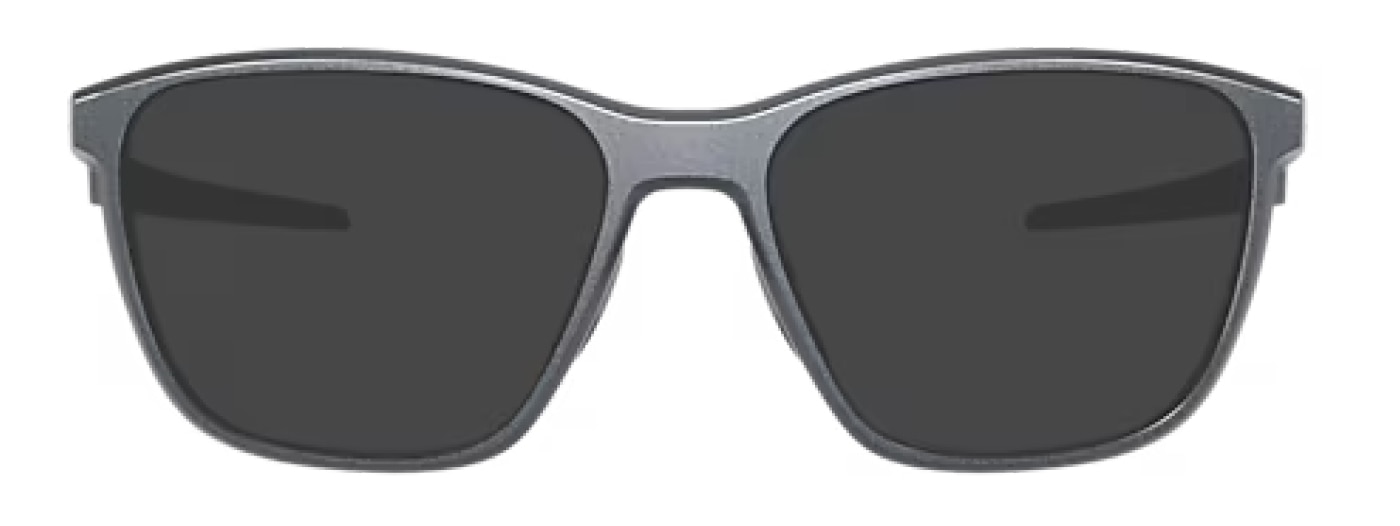
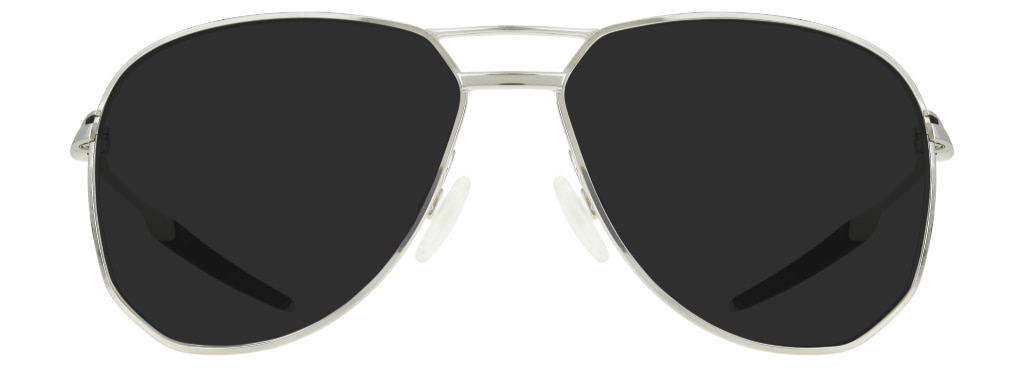
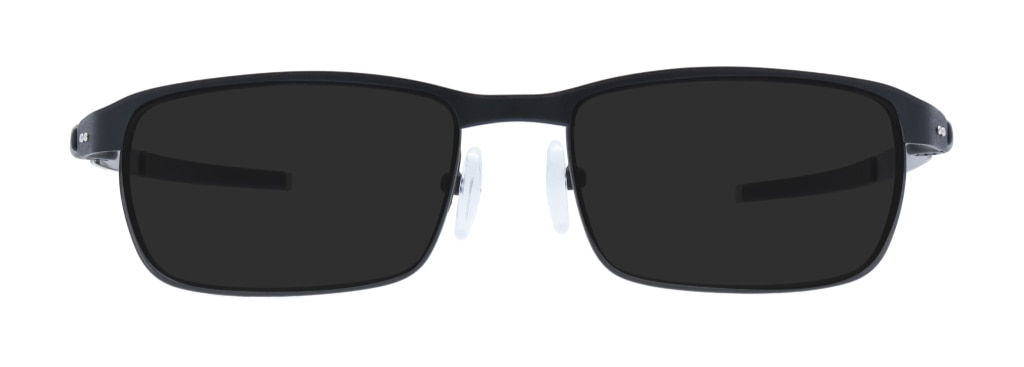
If you’d rather barely feel anything on your face and only enjoy a light jog rather than intense activity, go metal or titanium. The Oakley® Contrail TI pairs an ultra-lightweight titanium pilot frame with adjustable nose pads, grippy Unobtainium® earsocks and Three-Point Fit, so the pilot-inspired lens shape gives you good coverage without adding weight. The Oakley® TinCup™ takes a different route: an ultra-thin stainless-steel frame with Oakley®’s Hollowpoint™ hinges, inspired by hubless motorcycle wheels, plus Unobtainium® earsocks and adjustable air-cushioned nose pads, so there’s very little frame to shift once you’re moving.
On a tighter budget, The Collection Kane benefits from an ergonomic design and rubber inserts along the bridge and temples, preventing pressure and keeping the fit secure. The Harrington Sport Blaze frame is also an excellent choice with its lightweight frame, ergonomic fit and integrated nose pads.
Our top picks:

If you run in a prescription, you don’t have to squint
Maybe you run in contacts under cheap shades. Maybe you’ve skipped prescription sunglasses because they felt too dear. This is where buying online quietly wins. All the frames above can include tinted or polarised prescription lenses. This means you get eyewear that corrects your vision and protects your eyes at the same time.
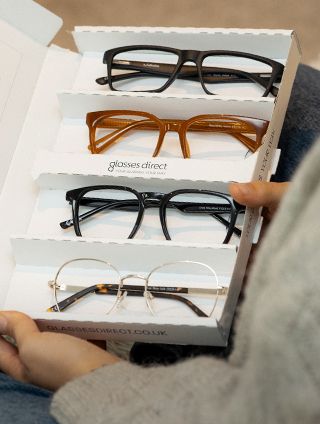
Grip is personal, and no size chart tells you whether a frame will actually stay put on your bridge. So, use our free Home Trial: order up to four frames, jog a lap of the block in each, and send back the ones that shift — free. We also have Virtual Try-on, which lets you see what frames look like online in seconds.
If you’d rather skip the prescription altogether, our ready-made oversized and rectangular sunglasses give you the same wide, wraparound coverage straight out of the box.
Keeping your running eyewear in shape
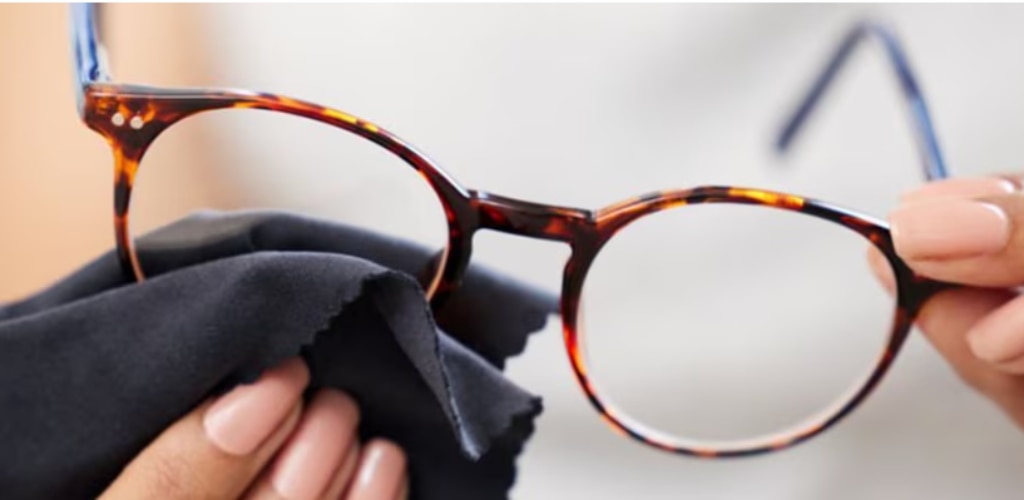
A good pair of running sunglasses only stays good if you look after it. Sweat and sunscreen both leave a residue that smears under a dry wipe. Ensure you rinse your lenses with water and dry them with a microfibre cloth rather than your T-shirt. If your nose pads start to feel loose, slide or leave marks after a run, it’s usually a sign they need replacing rather than the whole frame — most sports styles have swappable pads, and it’s a quick fix.
The bottom line: what are the best running sunglasses?
There’s no single best pair of running sunglasses — anyone who tells you otherwise is selling one frame. Good eyewear for running comes down to two calls. First, match the lens to where you actually run: polarised for wet roads, photochromic for shifting trail light, a plain grey tint if you just want fuss-free. Then match the frame to your face shape and your budget.
To sort the whole year in one go, the 2-for-1 sunglasses deal lets you pair a light-tinted set for grey mornings with a darker one for high summer. Then run the only test that counts: put them on and go.
Ready to find your pair? Shop running sunglasses or start a free Home Trial to test a few frames before you commit.
FAQs: eyewear for running
What’s the best eyewear for running?
There isn’t one single best pair — it depends on where and when you run. A wraparound frame with non-slip nose pads and lenses matched to your conditions (polarised for wet roads, photochromic for changing light) is the general formula when it comes to good sunglasses for runners.
Are polarised sunglasses good for running?
Yes, for road running. Polarised lenses cut glare which bounces off wet tarmac and puddles. On technical trails, some runners prefer a non-polarised lens, since polarisation can flatten the glint that reveals loose rocks or roots underfoot.
Do good running sunglasses need to be wraparound?
Not always, but wraparound temples curve the lens around the sides of your face, blocking wind, grit and low sun from sneaking in at the edges — useful on exposed or fast routes.
Can I get prescription sunglasses for running?
Yes. Any of the frames mentioned above can be glazed with a tinted or polarised prescription lens, so you get vision correction and sun protection in one pair.
How do I stop my running sunglasses sliding down my nose?
Look for frames with rubberised nose pads (like Oakley®’s Unobtainium®) and secure temple tips. Fit varies from face to face, so Home Trial lets you test a few frames on an actual run before committing.
What lens tint is best for running in the UK?
A neutral grey or brown tint suits most British weather, since it cuts brightness without distorting colour. Add polarisation for road running after rain, or photochromic if your light conditions change through the run.
How do I clean sweat and sunscreen off my running sunglasses?
Rinse lenses with water first to lift any grit, then dry with a microfibre cloth. Wiping a dry lens with your t-shirt can grind in residue and cause fine scratches over time.
When should I replace the nose pads on my running sunglasses?
If the pads feel loose, leave marks or no longer grip when you sweat, it’s time to replace them rather than the frame. Most sports styles use swappable pads, so it’s a quick and low-cost fix.