







When it comes to eye care, there’s no shortage of advice, but not all of it’s accurate. From old wives’ tales to internet rumours, plenty of myths and misconceptions have been passed down through generations. Unfortunately, misinformation about your eye health can sometimes do more harm than good.
Here at Glasses Direct, we want to clear up some of the most common eye health myths and set the record straight so you can keep your vision crystal clear and maintain healthy eyesight for life. Understanding the truth behind vision disorders and vision impairment can help protect your eyes for the long term.


Myth 1: Reading in dim light is bad for your eyes
📖 Fact: Reading in low light may lead to temporary eye strain and fatigue, but it does not cause permanent damage. In dim light, your eye muscles have to work harder to focus, and your blink rate tends to decrease, which can result in short-term discomfort, dry eyes, or headaches. However, once you rest and use adequate lighting, your vision will return to normal.
💡 Top tip: Make reading at night more comfortable by positioning a light source behind your shoulder or above your page or screen. Use a soft, warm desk lamp and take regular breaks to rest your eyes.
Myth 2: Eating carrots is all you need for good vision
📖 Fact: Carrots are rich in vitamin A, which supports a healthy retina, but they’re not a miracle food and they won’t give you 20/20 vision on their own. For optimal eye health, your diet should also include leafy greens, citrus fruits, nuts, seeds, legumes, lean meat, and oily fish. These foods contain vital nutrients like lutein, zeaxanthin, vitamin C, vitamin E, zinc, and omega-3 fatty acids — all essential for maintaining retinal health and preventing blurry vision.
💡 Top tip: Maintain a balanced diet to support your eye health and overall wellbeing — carrots can be part of it, but they’re not the whole story!

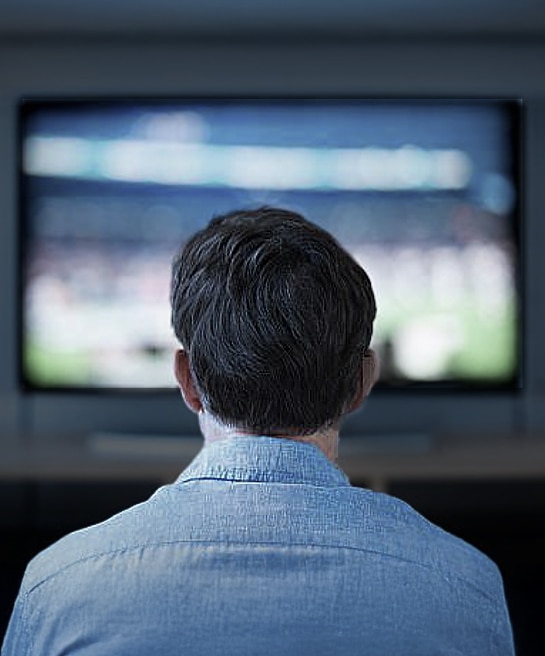
Myth 3: Sitting too close to the TV ruins your vision
📖 Fact: There’s no evidence that sitting close to a screen, whether it’s a TV, tablet, or phone, causes permanent harm. Children often sit close because they can focus better on short distances. However, prolonged screen time can cause digital eye strain and temporary discomfort.
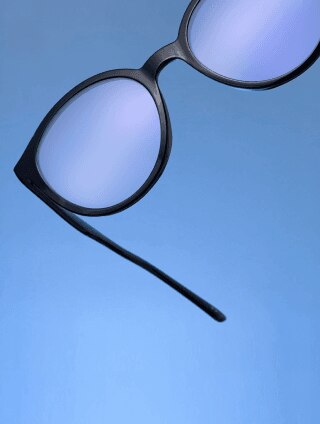
💡 Top tip: Follow the 20-20-20 rule — every 20 minutes, look at something 20 feet away for 20 seconds to give your eyes a break. Wearing blue light glasses will also help minimise eye strain, especially if you spend long periods in front of digital screens.
Myth 4: Wearing glasses makes your eyesight weaker
📖 The truth: Corrective lenses like eyeglasses or contact lenses don’t make your vision worse, they simply correct how light enters your eyes. If your prescription changes over time, it’s usually due to natural aging — specifically vision disorders such as presbyopia or cataracts — not because you’ve been wearing glasses.
💡 Top tip: Wear your prescribed lenses as directed to avoid headaches and squinting, which can lead to eye strain. Regular eye exams at your local opticians ensure your lenses are up to date and your eyes remain healthy.

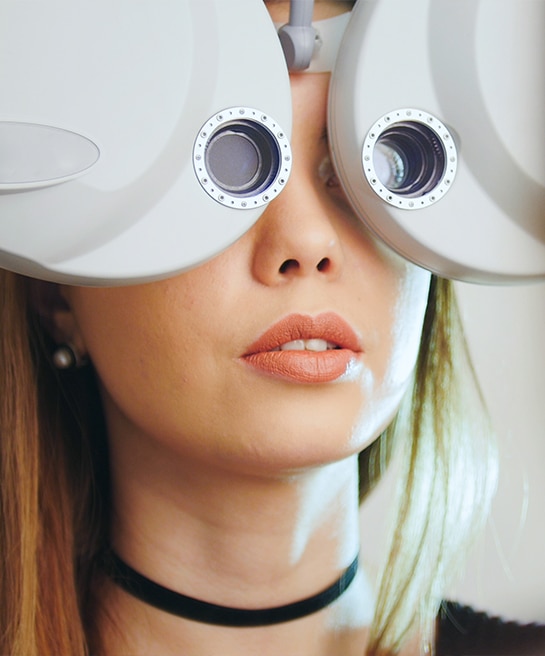
Myth 5: You’ll know if you have an eye problem
📖 The truth: Many serious eye diseases — like glaucoma, diabetic retinopathy, and macular degeneration — can develop silently without noticeable symptoms in the early stages. By the time you notice vision changes, the condition may already have advanced. Even if you have so-called “20/20 vision”, you can still be at risk of vision problems.
💡 Top tip: Get frequent check-ups every 1–2 years, even if your vision seems fine. Early detection by an optometrist can prevent retinal damage and protect against long-term visual impairment.
Myth 6: Eye exercises help to improve your vision
📖 The truth: While eye exercises may provide temporary relief for eye strain and fatigue, they cannot correct refractive errors such as near-sightedness (myopia), farsightedness (hyperopia), or astigmatism. These conditions are caused by the shape of your eye or cornea — something exercises can’t change.
That said, certain eye exercises may be beneficial for conditions like eye strain, focusing problems, amblyopia (lazy eye), strabismus (crossed eyes), or convergence insufficiency (when your eyes have trouble working together up close). In those cases, targeted exercises, as part of a professional treatment plan supervised by an eye doctor (such as an optometrist or ophthalmologist), can strengthen coordination and reduce discomfort.
💡 Top tip: Ensure you have an up-to-date sight prescription. If your eyes feel tired after long hours at a screen, take regular breaks, blink more often, and use proper lighting.
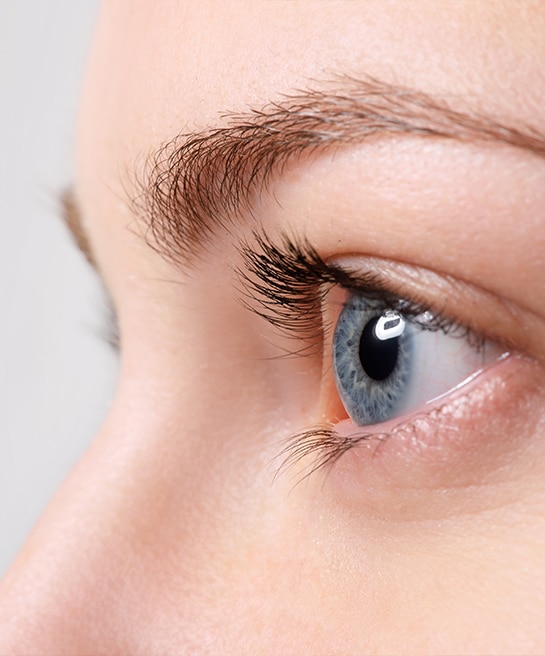

Myth 7: Only older people need to worry about eye problems
📖 The truth: Eye issues can affect people of all ages. Children can have undiagnosed vision problems, and young adults are increasingly affected by digital eye strain and early presbyopia due to screen overuse.
💡 Top tip: Start protecting your eyes early — adjust screen glare, limit screen time, eat a balanced diet, and wear sunglasses to avoid long-term eye damage.
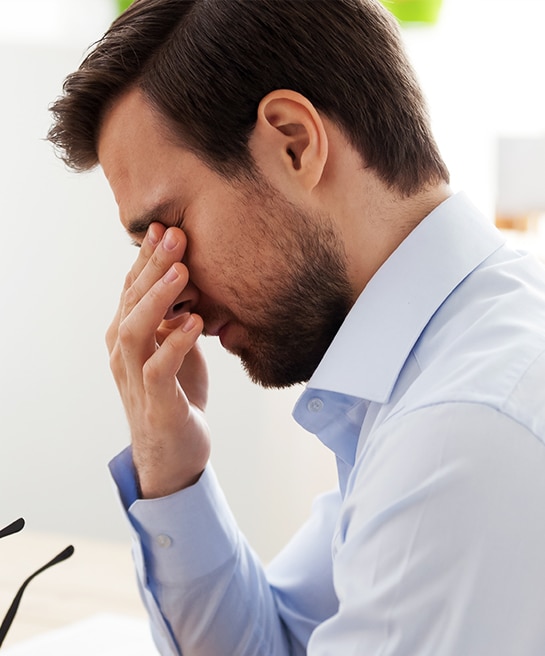
Myth 8: Rubbing your eyes is harmless
📖 The truth: Rubbing your eyes may feel soothing, but it can actually cause irritation, worsen allergies, or even contribute to a condition called keratoconus, where the cornea thins and bulges outward. Over time, this can affect how your retina processes light and impact your overall visual clarity.
💡 Top tip: If your eyes feel itchy or dry, use eye drops or a cool compress instead of rubbing them.
Myth 9: You can’t prevent vision loss
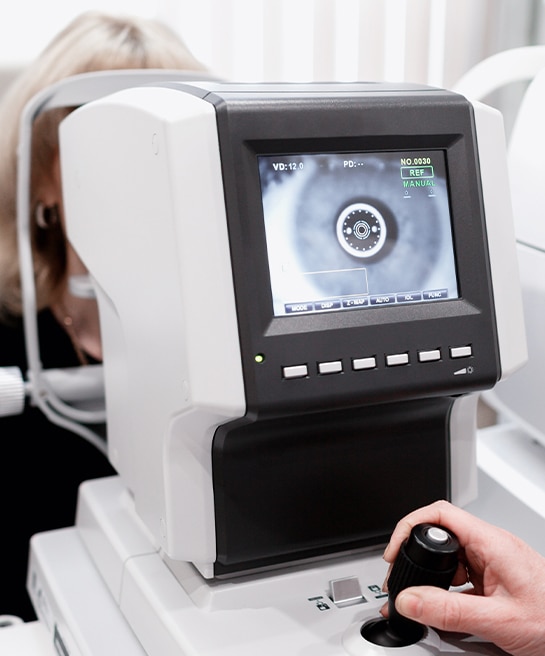
📖 The truth: Approximately 80% of vision loss can be prevented by early detection and proper eye care. Conditions affecting the retina, such as diabetic retinopathy and macular degeneration, can often be managed effectively when caught early.
💡 Top tip: Don’t ignore the warning signs. Speak to an eye care professional right away if you experience any symptoms, like blurred vision, light flashes, or floaters. Early treatment can prevent, correct, or minimise vision loss.
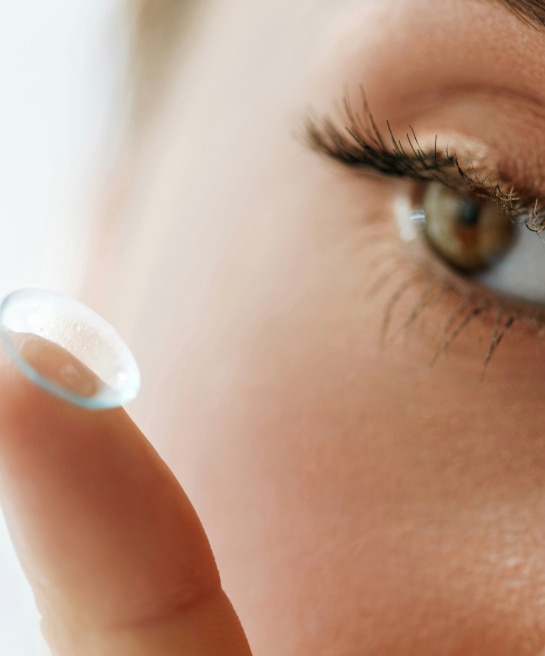
Myth 10: A contact lens can get stuck behind your eye
📖 The truth: It’s biologically impossible for a contact lens to slip behind your eye. The conjunctiva (a clear, thin membrane) covering the white of the eye, connects to the inside of the eyelids, forming a natural barrier that prevents anything from moving behind the eyeball.
💡 Top tip: If your contact lenses are causing discomfort, speak to an optometrist to check the fit and cleanliness. Proper lens hygiene keeps your eyes healthy and your contact lenses comfortable.
The bottom line
Your eyes are one of your most valuable senses and protecting them starts with separating fact from fiction when it comes to common eye health myths. Regular check-ups, a healthy lifestyle, and accurate information are the best tools for keeping your vision sharp for years to come.