











Dry Eyes in winter: causes, symptoms and how to stop them
12 December 2022

Quick answer: Dry eyes in winter are usually caused by central heating, cold wind and staring at screens for longer indoors. You can ease winter dry eyes with a humidifier, the 20:20:20 rule, wraparound sunglasses and eye drops. If symptoms don’t improve, book an eye test.
Cold snap, and suddenly your eyes feel gritty, sore or stuck to your lids by 3pm? You’re not imagining it. Dry eyes and cold weather go hand in hand, and it’s one of the most common complaints we hear from customers between November and February.
Dry eye happens when your eyes can’t make enough tears, or when your tears evaporate faster than you can replace them. Tears aren’t just there to stop you crying at adverts — they keep your eyes moist, comfortable and protected from dust, dirt and infection. Without enough of them, your eyes are more vulnerable to irritation and damage.
Below, we explain what causes dry eyes in cold weather, how to spot the symptoms, and the simple changes that make the biggest difference — including how to keep eyes moist without overhauling your routine.


Winter eye irritation can show up in a few different ways. You might notice:
If more than one or two of these symptoms sound familiar, it’s worth reading on for what’s causing it.
There isn’t just one reason your eyes dry out when the temperature drops. It’s usually a combination of the season and your daily habits.
Dry eyes from central heating are one of the biggest culprits in winter. Radiators and heating systems strip moisture from the air, and that dries out your tear film faster than usual.
Cold weather itself lowers humidity outdoors, so stepping outside can sting eyes that are already under pressure from indoor heating.
Shorter days mean more hours spent indoors on laptops, phones and TVs. When you focus on a screen, your blink rate slows right down, so your eyes don’t get topped up with tears as often.
Lenses can restrict the oxygen reaching your eyes, and dry winter air makes this more noticeable.
Some medications, autoimmune conditions like Sjögren’s syndrome or lupus, and low levels of vitamin A or omega-3 can all contribute to dry eyes.
Tear production naturally decreases with age, so dry eye becomes more common over time.

The good news: most dry eyes respond well to a few small, consistent habits. Here’s how to stop dry eyes with a few simple winter eye care tips.
A humidifier in your bedroom or home office adds moisture back into heated rooms, which is one of the simplest forms of dry eyes treatment at home.
Every 20 minutes, look at something 20 feet away for 20 seconds. It gives your eyes a break from screens and encourages you to blink properly, which spreads tears evenly across the surface of your eyes.
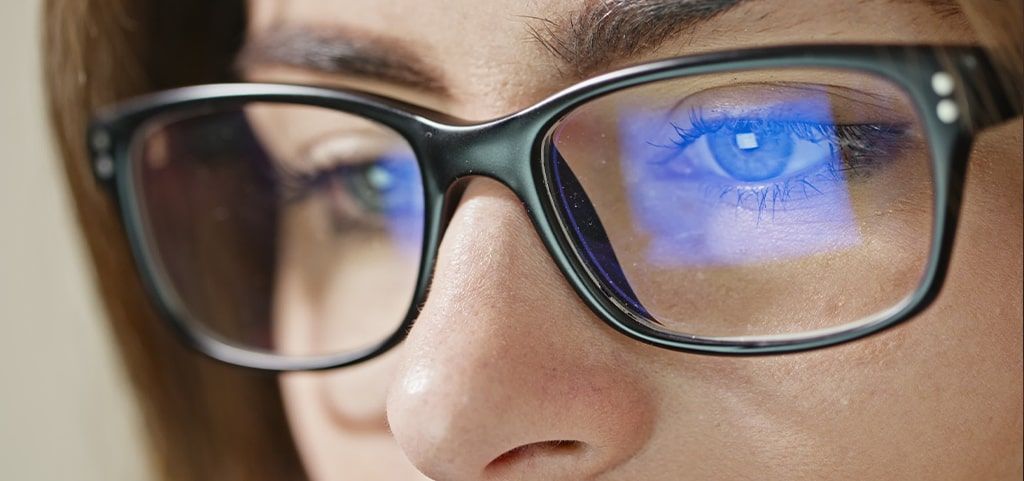
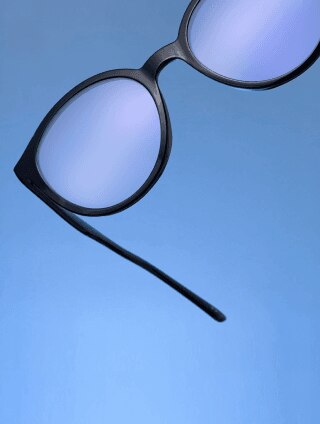
Blue light glasses may help prevent dry eyes in winter by reducing eye strain, which can help keep your eyes comfortable when staring at screens for long periods.
If your monitor sits above eye level, your eyes open wider than they need to, which speeds up tear evaporation. Lowering it slightly helps you blink more naturally.
Swap into glasses for part of the day to let your eyes rest and recover, especially if you’re already noticing dryness.

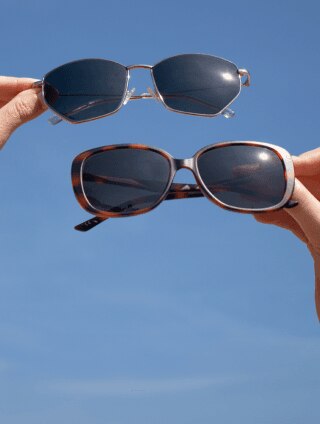
Even in winter, wraparound styles shield your eyes from wind and UV rays, both of which speed up tear evaporation. It’s a simple way to reduce dry eye symptoms on cold, blustery days.
The best eye drops for dry eyes in winter are preservative-free artificial tears, which lubricate the eyes without the risk of irritation from repeated use. If you wear contact lenses, check the drops are compatible before applying.
Vitamin A (found in carrots and broccoli) supports tear production, while omega-3s (found in oily fish and vegetable oils) can help ease dry eye symptoms. Small dietary tweaks are an easy home remedy for dry eyes alongside your other habits.
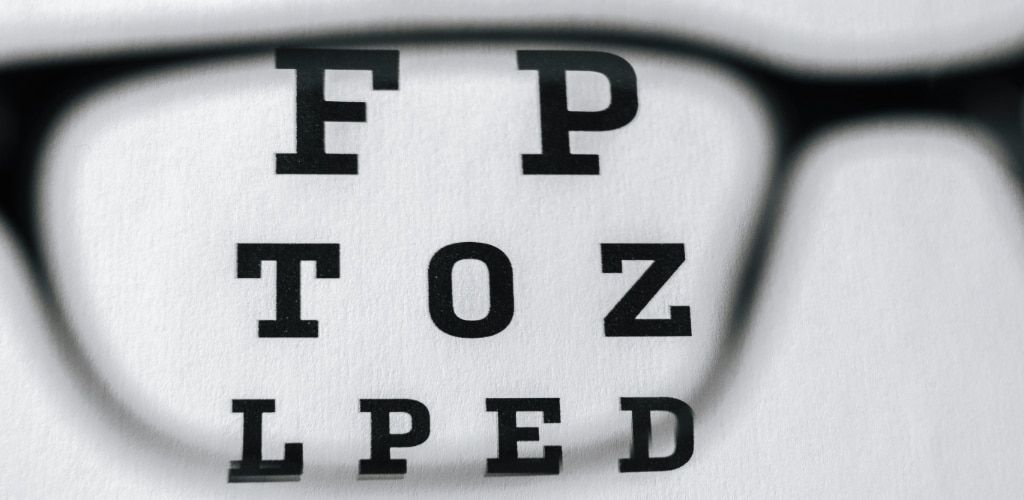
Regular eye tests ensure your prescription is current, which reduces eye strain, and gives your optician the chance to flag any underlying cause of your dry eyes.

A few small habits — a humidifier, proper screen breaks, wraparound sunglasses and the right eye drops — help prevent eye dryness before it starts. If your symptoms don’t ease up, or your prescription hasn’t been checked in a while, it’s worth booking in with your optician.
Combined indoor heating, cold outdoor air and extra screen time all reduce tear film stability, making dry eye symptoms more noticeable in winter than other seasons.
Preservative-free artificial tears are generally best, as they can be used more frequently without irritating the eyes. Ask your optician for a recommendation suited to your symptoms.
A humidifier, the 20:20:20 rule, wraparound sunglasses, blue light glasses and regular screen breaks can all help reduce dry eye symptoms without medication.
Yes. Dry eyes from central heating are common in winter, as heating systems lower indoor humidity and dry out your tear film.
Simple changes like using a humidifier, eating foods rich in vitamin A and omega-3, and taking regular screen breaks are effective for mild to moderate dry eyes.
If symptoms persist despite trying home remedies, or if you notice pain, discharge or a sudden change in vision, book an eye test as soon as possible.
Yes, giving your eyes a break from contact lenses allows more oxygen to reach the eye surface, which supports natural tear production.