









Wear glasses and hearing aids comfortably. See which frames leave room behind the ear, a simple fitting routine and what spectacle hearing aids are.

From blurry vision to dry eyes, perimenopause and menopause can affect your eyesight. Learn the signs, treatments and when to get an eye test.

What causes amber eyes, how rare they really are, and the best glasses to suit this golden eye colour.

Violet eyes are one of the rarest eye colours, usually linked to albinism. Discover what causes purple eyes, how rare they are and the glasses that suit them.

Book an eye test this World Sight Day. Find out why regular checks matter, how to spot early signs of sight loss and how to look after your eyes.

New glasses giving you a headache? Find out which symptoms are normal, how long adjusting to new glasses takes and when to see your optician.
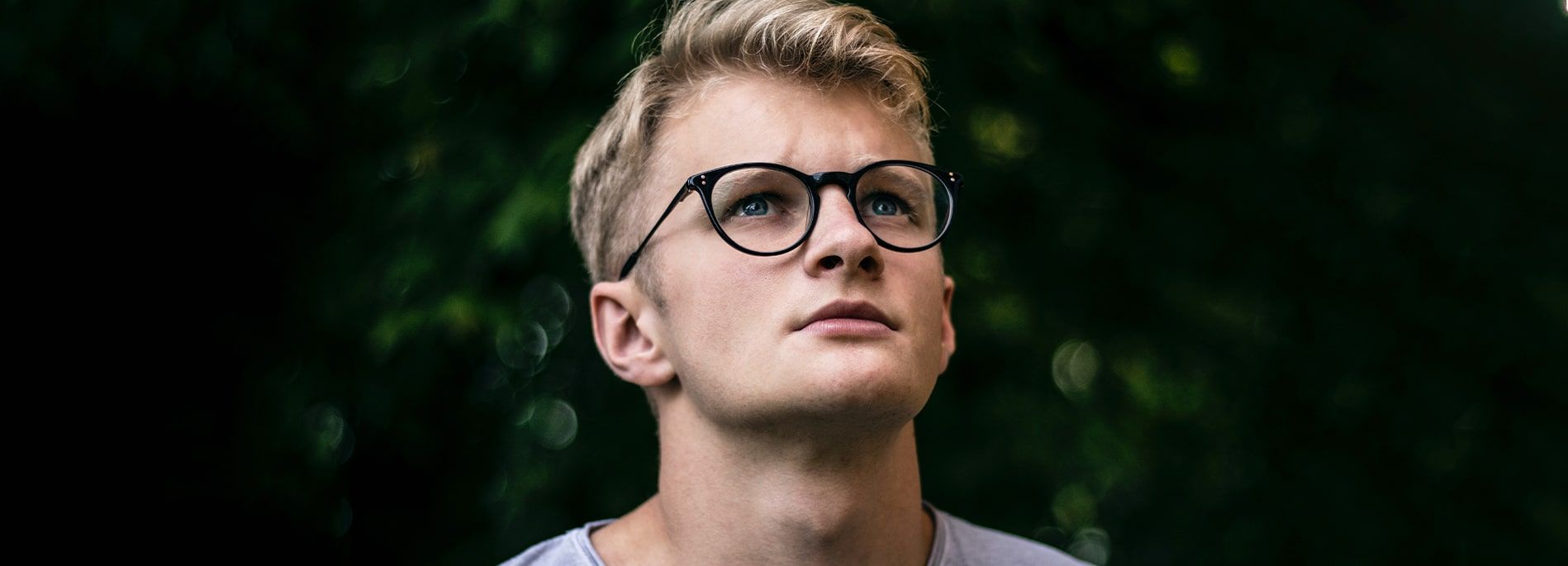
Discover the truth about blue eyes — their genetics, origins and health risks. Learn how genes like OCA2 and HERC2 shape your eye colour.

Two million people in the UK live with sight loss – and half of it's preventable. Discover why eye tests matter this National Eye Health Week.
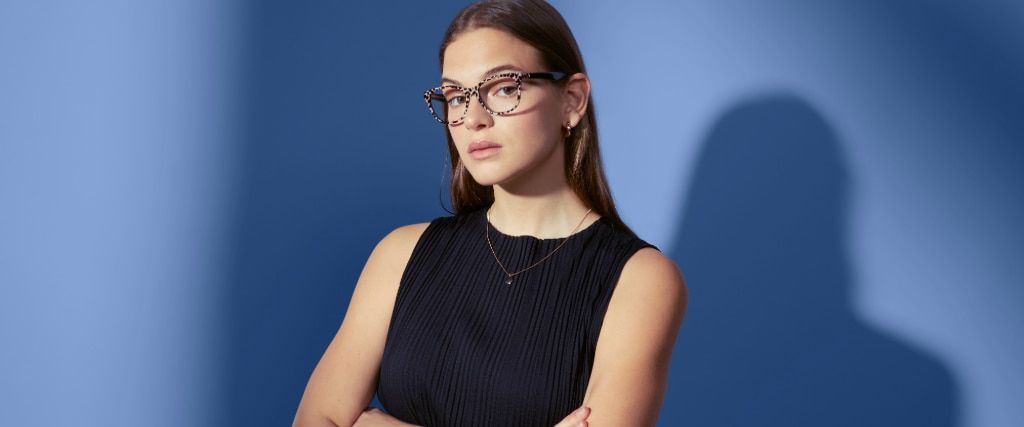
Discover fascinating facts about brown eyes. Learn how melanin shapes iris colour and find the best glasses to complement your look.
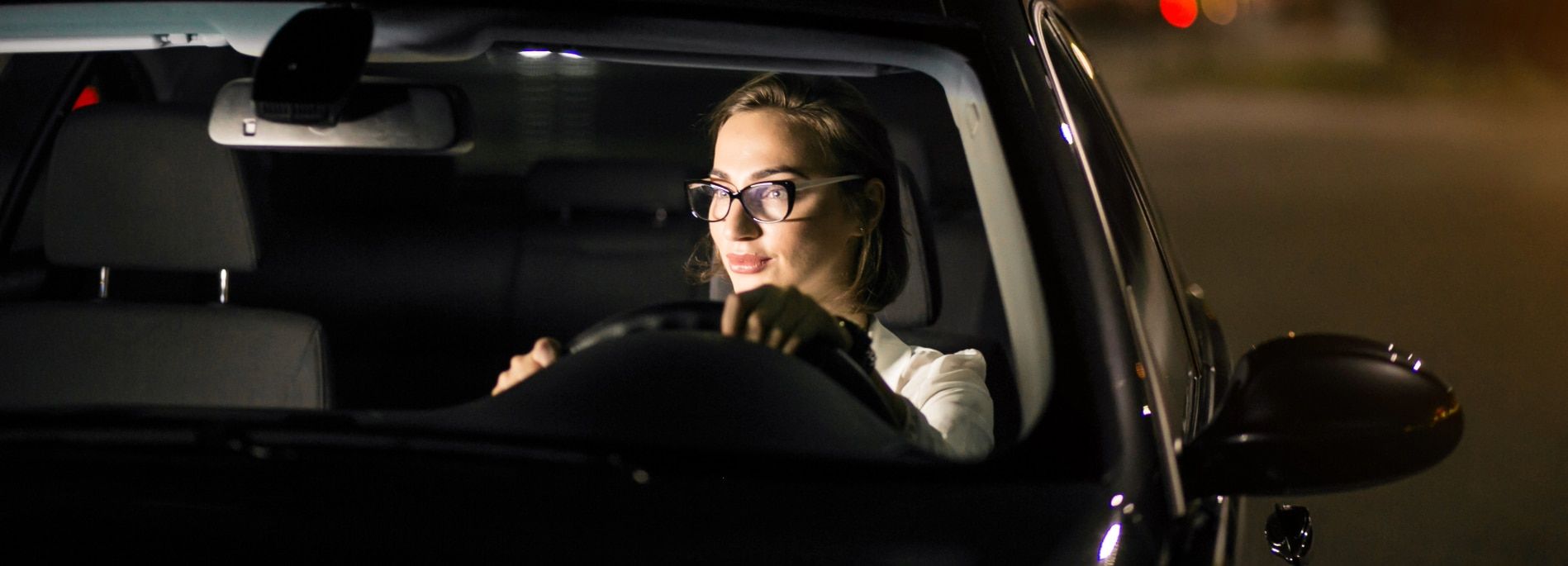
Struggling with glare from headlights or blurry vision? Discover the best glasses for night driving. Reduce glare, enhance clarity and stay safe after dark.