





Do you still need sunglasses in winter?
7 November 2024


In a nutshell: Yes. UK UV levels are lower in winter, but the low sun sits right in your eyeline, wet roads and ice bounce glare back up and fresh snow reflects up to 80% of UV. Sunglasses with 100% UVA and UVB protection cut glare and squinting, while polarised sunglasses are the best pick for snow and driving.
This guide is for you if you:
Most of us pack our sunglasses away with the summer clothes. But wearing sunglasses in winter isn't just for the slopes. The College of Optometrists' winter eye care advice says sunglasses aren't just for summer: snow and ice reflect sunlight up into your eyes from below, and the low winter sun can be dazzling — especially when you're driving.

UK UV levels drop in winter. On the Met Office's guide to its UV index, 1–2 counts as Low, and that's where most UK winter days sit. So the case for winter sunglasses is less about everyday UV and more about three things:
Find out more in our Ask the Optician video on UV protection.
Key points from the video: David Hutchfield, a qualified optician, explains that too much sun can lead to cataracts, macular degeneration and eyelid tumours. UVB causes snow blindness, while UVA makes up about 95% of the UV that reaches us and is linked to cataracts and macular degeneration. That’s why sunglasses that block both UVA and UVB are so important.
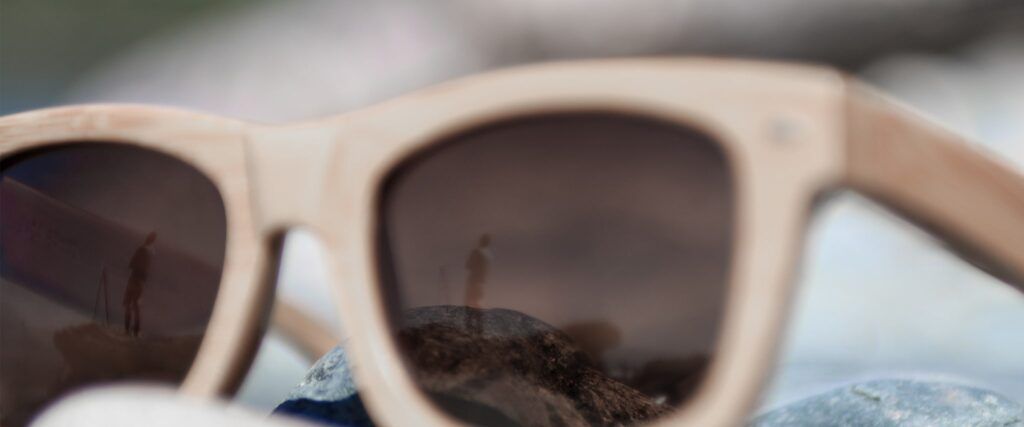
When the sun is low, light hits wet pavements, puddles and frosty roads at a shallow angle and reflects as harsh, horizontal glare. That makes it hard to see clearly and easy to misjudge distances.
Polarised lenses contain a filter that blocks this horizontal glare. Things look sharper, with better contrast, so they're the go-to choice for bright winter days.
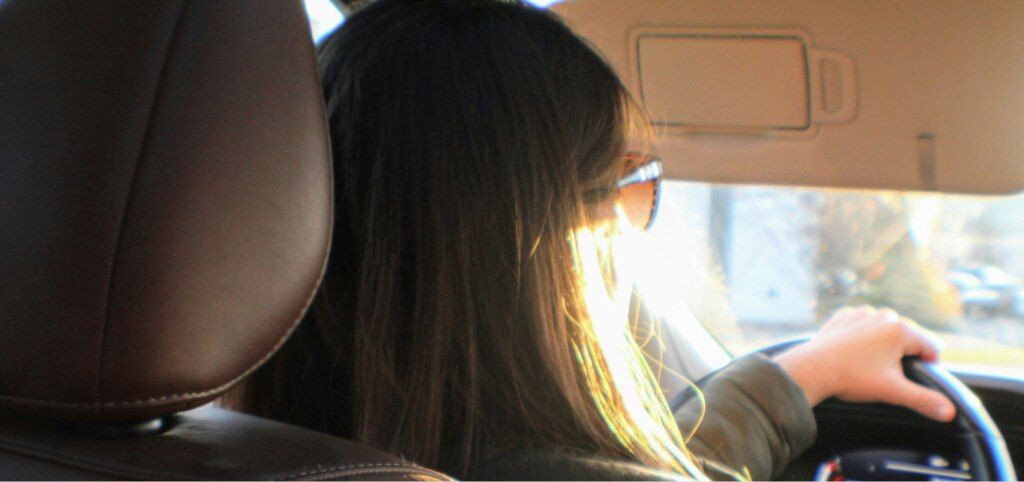
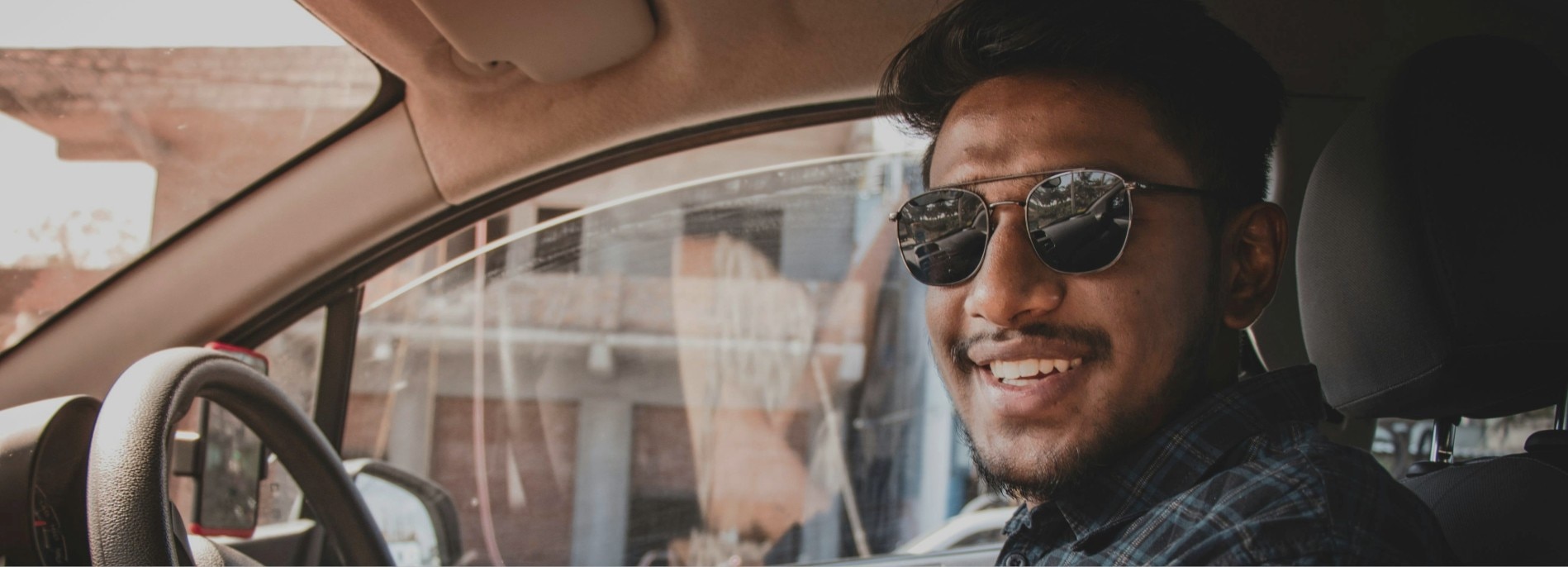
Winter commutes often line up with sunrise and sunset, so the sun is right in your eyeline. The College of Optometrists' advice for drivers recommends keeping a pair of sunglasses in the car and a clean windscreen, inside and out. Rule 237 of the Highway Code also tells drivers to slow down, and stop if needed, when dazzled by bright sunlight.
For driving, we recommend:
Avoid very dark category 4 tints for driving. They let in too little light to drive safely. Our guide to sunglasses categories explains each level.
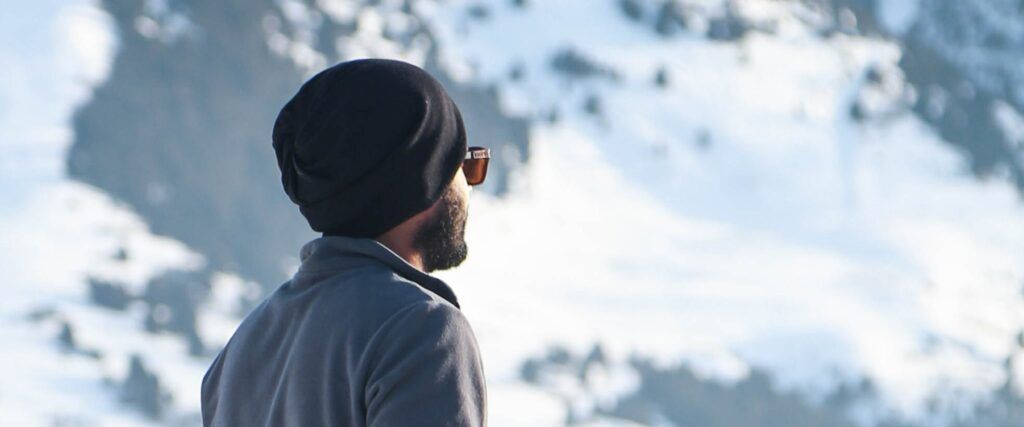
Snow blindness is sunburn of the eye. The American Academy of Ophthalmology calls it photokeratitis: UV damage to the cornea, the clear front surface of the eye. Symptoms often appear hours later and include pain, redness, watering, a gritty feeling and blurred vision. It usually clears up within a day or two, but it's very uncomfortable.
It's most common on ski slopes and mountains, where snow and altitude combine. If you wear sunglasses in snow, choose:
If symptoms last more than a couple of days, see an optician or doctor.

UV exposure adds up over a lifetime. The WHO links too much UV to eye problems including cataracts and skin cancer, and the skin around the eyes is one of the thinnest on the body. UV protection in winter matters most on bright days, in the snow and at altitude.
All Glasses Direct sunglasses block 100% of UVA and UVB rays as standard. You can also read more about age-related eye conditions.

Cold air holds less moisture, so a sharp wind makes eyes water and then dry out. Indoors, the College of Optometrists notes that central heating can make dry eyes worse. Sunglasses act as a barrier against wind, dust and grit.
For walks, runs and windy days, sports styles from Oakley® and Harrington Sport sit close to the face and protect from every angle.

Your pupils shrink in bright light to protect the retina. When sunlight suddenly bounces off snow or a wet road, they can't adjust quickly enough, so you squint. Do that all day and it leads to tired eyes and headaches.
Photochromic lenses and Transitions® GEN S™ lenses help here. They're clear indoors and darken outside, so you only need one pair as you go in and out of shops or the office.
If you'd rather not switch pairs, add an anti-reflective and UV coating to your regular glasses. It's included in our Gold, Platinum, Diamond, KODAK Lens Gold+ and KODAK Lens Platinum+ lens packages. Anti-reflective lenses won't dim bright sun, but they cut reflections from headlights and street lights, which helps on dark winter evenings. Find out more about anti-glare glasses.
Polarised lenses suit most winter conditions; the right choice depends on what you do most.
| Lens option | Best for | Good to know |
|---|---|---|
| Polarised | Sunglasses in snow, wet roads, walks by water | Can make some phone and dashboard screens look patchy |
| Gradient tint | Daytime driving | Less protection from glare reflected up from the road |
| Transitions® Drivewear® | Driving in changing light | Designed for the car, so not a clear lens indoors |
| Photochromic / Transitions® GEN S™ | Going in and out all day | Darken less behind a windscreen, which blocks most UV |
| Dark tint, category 4 | Glaciers and very bright high-altitude snow | Not suitable for driving |
| Clear with anti-reflective and UV coating | People who don't want sunglasses | Blocks UV and reflections, but doesn't reduce brightness |
Any of our frames can become winter sunglasses with the right lenses. Here are six styles that work especially well.
For winter sports: Oakley® Crosslink® Zero. Lightweight, with adjustable temples, nose pads and ear socks that grip on the move. Add polarised lenses for the slopes.
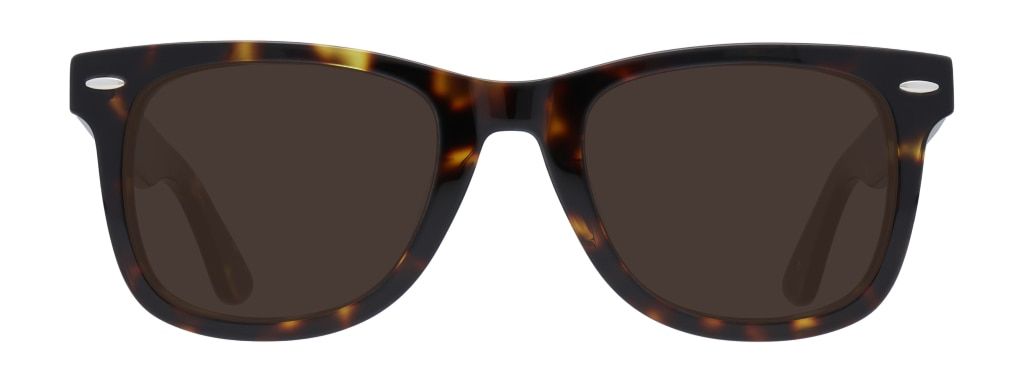
For driving: London Retro Gants. A Havana pilot shape with large lenses for a wide view of the road. Choose Transitions® Drivewear® lenses.
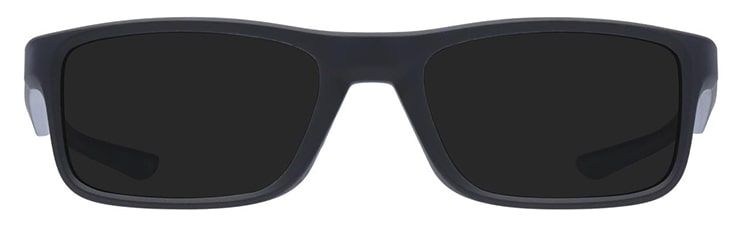
For driving, smaller fit: Oakley® Plank 2.0. A rectangular, lightweight nylon frame in a smaller size. Drivewear® lenses or a gradient tint work well for daytime driving.
For in and out all day: Scout Costello. A bold tortoiseshell square frame. Add Transitions® GEN S™ lenses so one pair works indoors and out.
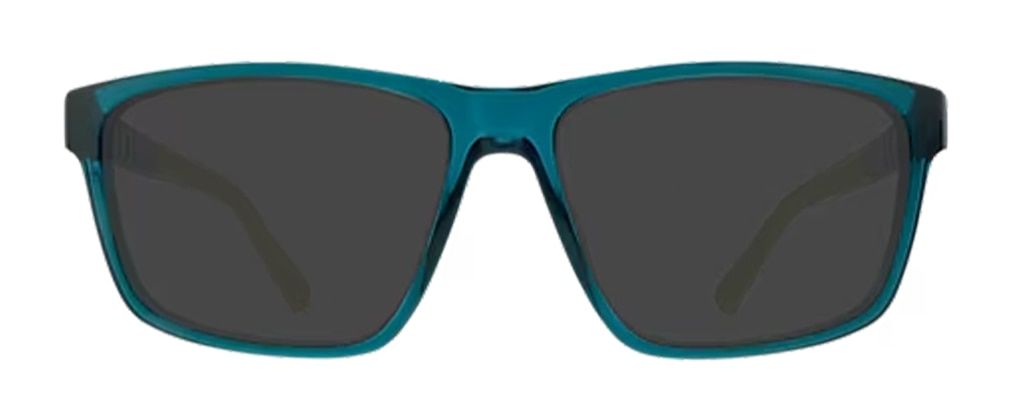
For sporty everyday wear: Harrington Sport Jason. A brightly coloured sports frame with smooth rubber temples, so it stays put on a brisk walk or run. Pair it with polarised lenses.
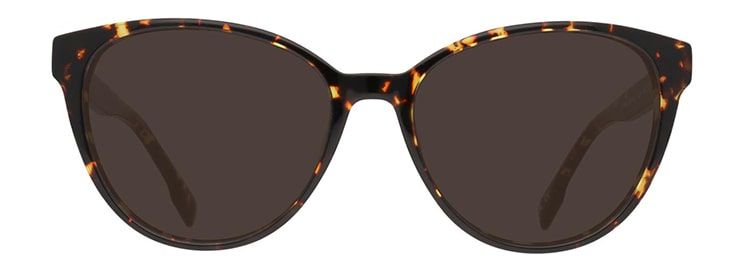
For everyday style: Pink Ribbon Primrose. A tortoiseshell cat-eye from our Pink Ribbon range — £2 from every frame sold goes to the Pink Ribbon Foundation.
Not sure which shape suits you? Try up to four frames at home with our free Home Trial.
Yes, on bright days. UV levels are lower in the UK in winter, but the low sun and glare from wet roads, frost and snow can dazzle you and strain your eyes. The College of Optometrists recommends sunglasses on sunny winter days, especially when driving.
Not at all. Wearing sunglasses in winter is practical advice from optometrists, not a fashion statement. It's especially common for driving, winter sports and bright, frosty mornings.
It's possible on a bright day with fresh snow, but it's far more common on ski slopes and mountains, where altitude adds to the UV reflected by snow. Wear UV400 sunglasses or goggles with good side coverage.
Yes. Polarised sunglasses block the horizontal glare that bounces off snow and ice, so you can see contours and hazards more clearly. Make sure they also offer 100% UVA and UVB protection.
Sunglasses labelled UV400 or 100% UVA and UVB protection, in a wraparound or large frame that blocks light at the sides. On the slopes, goggles or sports sunglasses that fit close to the face give the most coverage.
Category 2 or 3 tints are fine for daytime driving. Category 4 lenses are too dark and are not suitable for driving at all. Take sunglasses off as light fades.
Yes. They react to UV, so they still darken outdoors on winter days. They darken less behind a car windscreen, so if you drive a lot, Transitions® Drivewear® lenses are a better fit.